Imagine paying your rent every month on time, then learning that the company collecting it owes the city more than $1 million in unpaid water, sewer and trash bills. That is the situation tenants in downtown Minneapolis say they are facing.
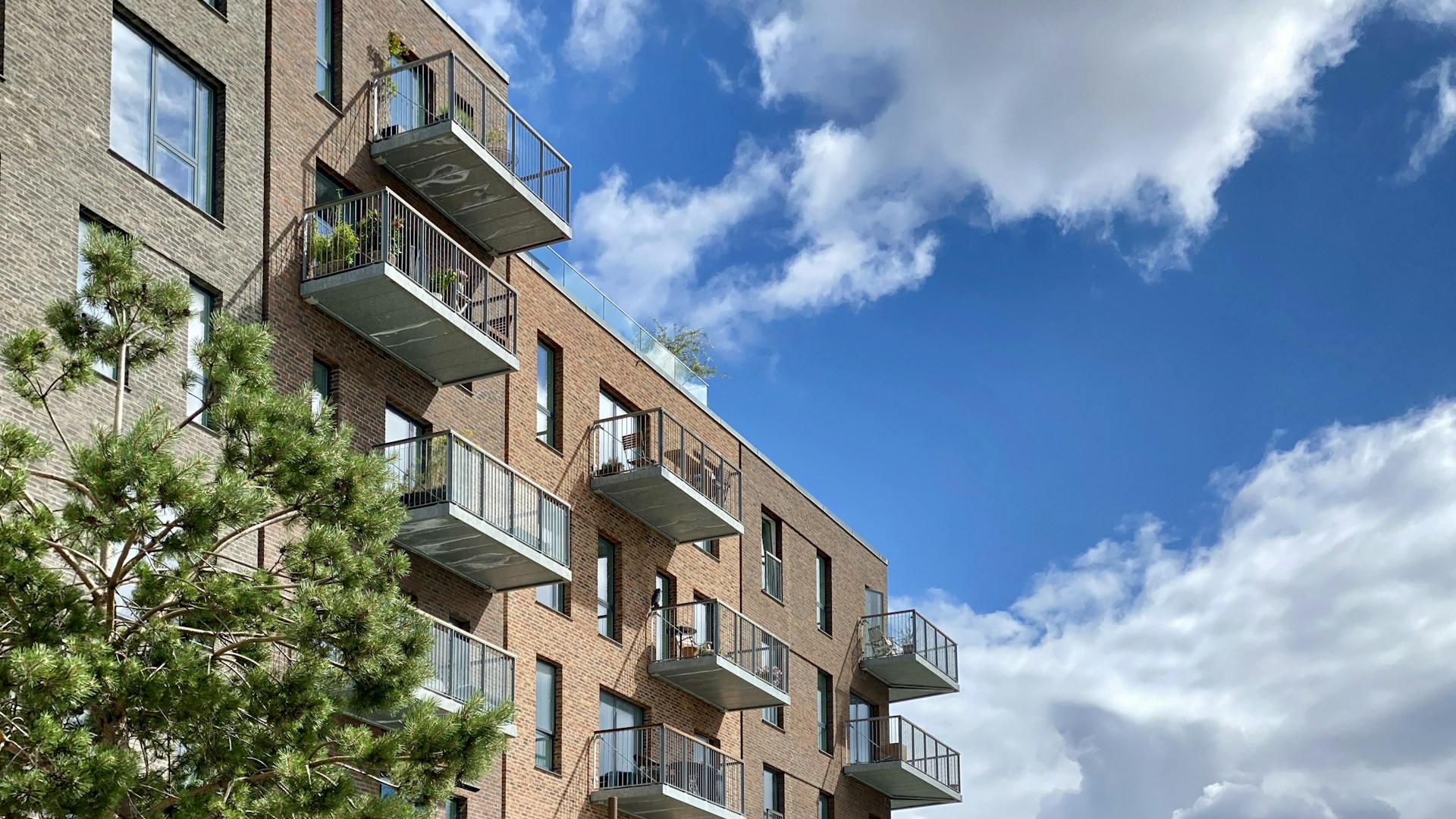
City records show the landlord, Fine Associates, owes a total of more than $1 million at five properties, according to a local television report published November 13, 2026. The company never responded to repeated messages asking for comment.
$12 Million In Unpaid Bills, And Two Downtown Buildings Stand Out
Minneapolis has seen what the report calls a recent explosion in delinquent utility bills for water, sewer and trash. An 892-page document lists more than $12 million in unpaid balances.
Two bills stand out. Council member Linea Palmisano said: “We have a downtown apartment building that owes the city half a million dollars, and another downtown apartment building that owes city $363,000.”
Both of those downtown buildings are owned by Fine Associates. Add in the other properties, and city records show the landlord owes more than $1 million across five buildings.
City Council Sends The Bills To Property Taxes
On Thursday, November 12, the Minneapolis City Council voted to send all delinquent utility bills to Hennepin County, where they will be added to property tax bills. City officials say 98 percent of those bills are typically paid when they are added to property taxes.
The rest go to foreclosure. In other words, the unpaid balances become a tax debt that sits on each property, and an owner who does not pay faces the possibility of tax foreclosure.
“So Where Is That Money Going?” Tenants Ask
Some tenants say the huge unpaid balance is a symptom of buildings not getting the care they need. People who live in Marquette Place and 110 Grant have formed unions and sued the company over what they believe are unsafe conditions and delayed maintenance.
“We’re receiving invoices, we’re paying our rent. So where is that money going?” said Hannah Crippen, a resident of 110 Grant West.
Council member Elizabeth Shaffer made a pointed comment about buildings where water is included in the rent: “If renters are paying, you know, included in their rent is their water bill and the landlord is not paying the water bill, you know, that’s definitely a little bit of a slush fund for them.” That is a council member’s characterization, not a finding of wrongdoing.
Residents Describe Flooding, Delays And A Pool Closed Since August 2025
Residents say they have seen flooding and water damage last for days or even months. They say landlords rarely communicate about reported problems except in court, where Fine documented hundreds of thousands of dollars’ worth of repairs.
Blythe Baird, a resident at 110 Grant West, pointed to the building’s pool. “For example, the pool has not been operational since August 2025. But they keep saying, or throughout our lawsuit, they kept saying that it was like days away from opening,” she said.
Residents also say they love the community they have built. Crippen said: “You know, this is a great place to be, and they could make it and continue to have it be a great place to be.”
A Judge Is Expected To Rule On The Lawsuit Soon
A judge should decide in the next couple of weeks what happens with the lawsuit from people at 110 Grant, according to the report. The lawsuit has not been decided, and the tenants’ claims are their own.
A separate first-person account from a Marquette Place resident, published in September 2026 by a public radio program on tenant unions, describes the Marquette Place Tenants Union as a group formed out of the lawsuit. It describes the 35-story building as having a pool, hot tub, sauna and gym, and says residents reported problems including mold, pests, flooding, break-ins and a broken elevator.
It says about 20 units had put their rent into court escrow, and that in August, a little over three months after the escrow action began, the union had more than $140,000 in escrow and was headed to mediation.
What Tenants Can Do When Utility Bills Go Unpaid
Unpaid utility bills usually go unnoticed by tenants, especially those whose rent includes water. The council’s vote changes how the city recovers the money, and the figures show how a single owner can account for a large share of the city’s delinquent total.
Tenants see the unpaid bills as a sign of the same neglect they describe in their lawsuits. If you rent and are worried about your own building, a few steps are sensible:
- Report maintenance problems in writing and keep copies and photos with dates.
- Talk with your neighbors, since tenant unions have been a path to organized action in these buildings.
- Learn what your city and state allow for escrowing rent in a dispute before you withhold anything, because the rules matter.
- Check whether your building appears in city records of delinquent utility balances.
For the renters of Marquette Place and 110 Grant, the question is still the one Hannah Crippen asked. The company has not publicly answered it.
More Stories You May Like
- Toronto Landlord Says Air Sensor Spikes Prove Her Tenants Are Smoking, They Say It Is Their Own Bodily Gases, And The Sensor Maker Says Its Sensors React To Breath And Sweat
- Louisiana Mother Evicted After She Stopped Paying Rent Over Mold, Holes In The Walls And A Thermostat Over 90 Degrees While Her Landlord Was Fined Only $500 For Siding And Yard Debris
- Real Estate Investor Says Texting Tenants On The 2nd To Ask Where The Rent Is Trains Them To Pay Late And His Fix Gets About 97% On Time Payments
Leave a Reply