Every October, the same scene plays out in neighborhoods all across the country. Rakes come out, big paper bags fill up, and a curb lined with leaf bags waits for the truck. Farmer @pikepasturesfarm has a message for everyone doing it: stop.
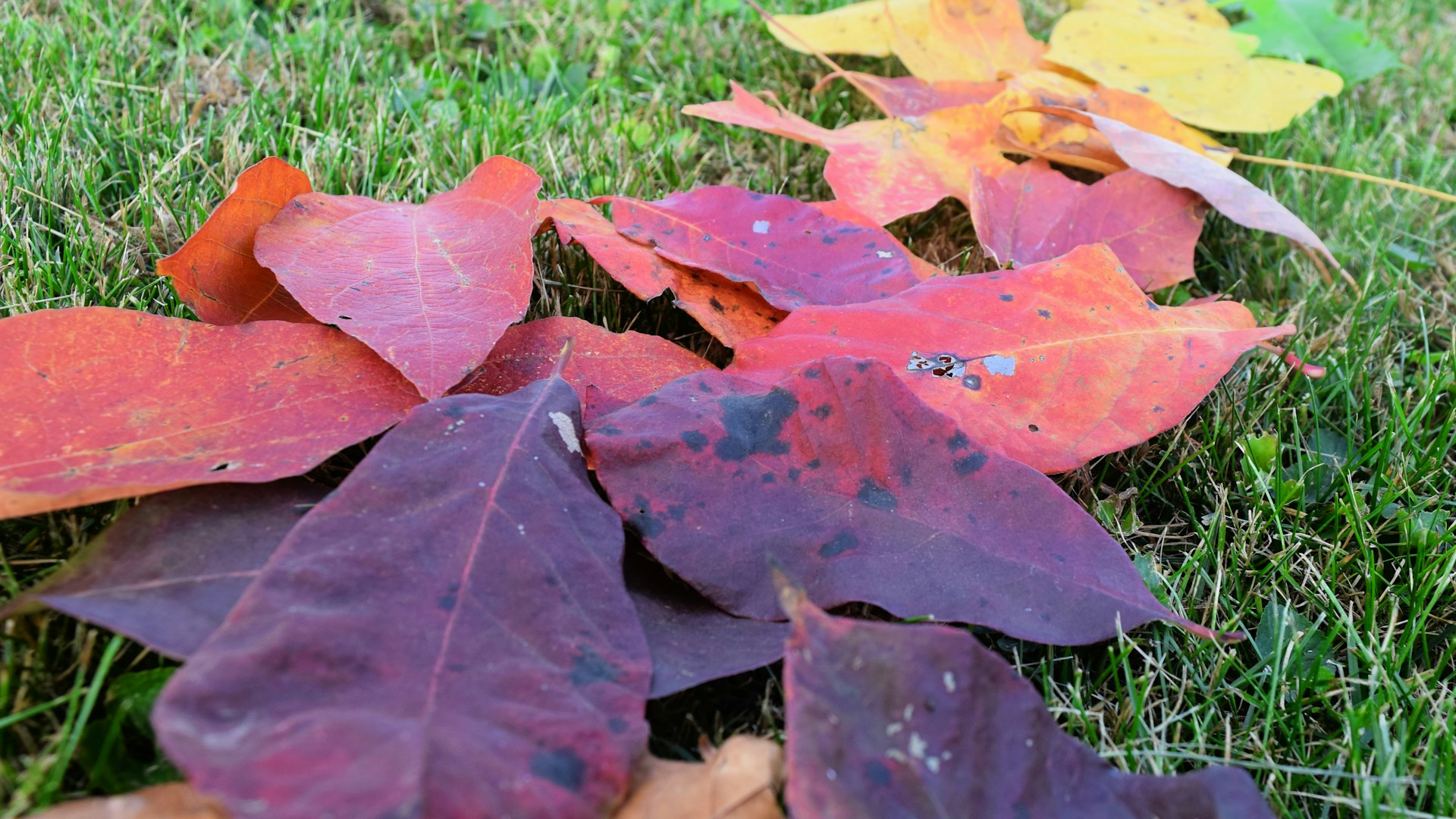
His argument starts with a joke about the word itself. “Do you want to know why they call them leaves?” he asks. “It’s because you’re supposed to leave them on the ground.”
Then he gets serious, and the list he rattles off might change how you look at that pile in your yard.
@pikepasturesfarm
“The List Goes On And On” Says Farmer About What Is Hiding In Fallen Leaves
According to @pikepasturesfarm, the nutrient breakdown of leaves includes carbon, calcium, nitrogen, potassium, phosphorus, sulfur and magnesium. And as he puts it, “the list goes on and on” before you even get to the beneficial fungi that come along with them.
That is a lot of the stuff gardeners pay good money for in bags and bottles. Calcium, nitrogen, potassium and phosphorus are the nutrients you see printed on fertilizer labels and soil tests, and here they are falling out of your maple for free.
His advice is simple. If you are going to collect your leaves, please do not throw them away. He calls them “your cheapest, best input that you could possibly use when you’re planting.”
Why A Pile Of Leaves Is Really A Free Soil Builder
Trees are smart about this. Their roots reach deep and pull minerals up from far below the surface, and those minerals end up in the leaves. When the leaves drop and break down, that material is returned to the top layer of soil where your plants can use it.
The breakdown is done by an army of tiny helpers. Fungi, bacteria and earthworms go to work on the leaf litter, turning it into rich, crumbly material that holds moisture and feeds the soil. This is the same thing that happens on a forest floor every year, with nobody running a leaf blower.
The farmer mentions beneficial fungi for a reason. Healthy soil is full of life, and a layer of leaves gives that life something to eat through the cold months.
Skip The Bags And Bring The Leaves To Your Garden Beds Instead
You do not need a farm to use this hack. A few easy methods work in any yard, and most take less effort than bagging.
- Mulch your beds. Spread a layer of leaves two to three inches deep over flower beds and around shrubs. Keep them from piling up right against stems and trunks.
- Mow them in place. Running the mower over leaves chops them into small pieces that settle between grass blades and break down quickly.
- Feed the vegetable garden. Spread shredded leaves over empty beds in fall and let winter do the work before spring planting.
- Start a leaf pile. Corral leaves in a corner or a simple wire bin. Left alone, they slowly turn into dark, crumbly leaf mold that is wonderful for improving soil.
Shredded leaves break down faster than whole ones, so if you have a mower or a shredder, a quick pass is worth the trouble. Wet leaves also decay faster than dry ones, so a little rain helps.
Do Not Smother The Lawn Though, A Thick Mat Can Do Damage
There is one caution worth knowing. A heavy, soggy blanket of whole leaves left sitting on grass can block light and air, and the lawn underneath may suffer. Large leaves from trees like oaks and maples are the usual troublemakers because they tend to mat together.
The fix is easy. Mow them into smaller pieces so they sift down into the turf, or rake the excess off the grass and move it onto garden beds where it does the most good. That is the spirit of what @pikepasturesfarm is saying: do not throw the leaves away, just put them to work somewhere useful.
Leaves On The Ground Also Give Winter Shelter To Garden Helpers
Wildlife and conservation groups often point out that fallen leaves are a winter home for many small creatures. Butterflies, moths, beetles and other insects tuck themselves into leaf litter to get through the cold. Many of those same creatures pollinate flowers or eat garden pests once the weather warms up.
So a loose layer of leaves under your shrubs and along the back of a flower bed is not messy. It is a tiny habitat, and it pays you back next season.
The Money Angle Is Hard To Beat For Any Home Gardener
Bagged mulch and fertilizer are not cheap, and the costs add up fast if you have several beds. Leaves cost nothing, they are already sitting in your yard, and you were going to spend time raking them anyway. Using them where they fall, or just moving them a few feet, saves money and cuts down on trash.
Many towns also spend a lot of time and money hauling away yard waste each autumn. Keeping your leaves at home means one less thing to bag, lift and haul to the curb.
A Simple Fall Plan You Can Start This Weekend
If you want to try the farmer’s advice, you can do it in an afternoon. Start by mowing over the leaves on the lawn so they are chopped fine. Rake the extra into your flower beds and around shrubs, and fill any empty vegetable beds with a thick layer.
Then pick a corner of the yard for a leaf pile and let it sit. Next spring, you will have a free supply of soft, dark material to work into your soil and a garden that thanks you for it.
It is a small change, and as @pikepasturesfarm says, the name was a hint all along. Those leaves are meant to stay on the ground, and your plants will be glad you let them.
More Stories You May Like
- Jensen Beach Mom Returns To A House Filled With Sewage 4 To 6 Inches Deep, Has No Flood Insurance Because The Area Is Not A Flood Zone, And Says Officials Told Her Water Pumped From Port St. Lucie Added To The Flooding
- Plumbers Say A Water Heater Never Drained In 10 Years Should Probably Not Be Drained Now, Because Stirring Up The Sediment Can Cause Leaks And Valve Failure
- Regulators Say Stop Using Two Smoke Alarms Sold Online Because They Can Stay Silent During A Fire, And The Sellers Have Not Answered The Government’s Recall Requests
Leave a Reply