A gas leak at the meter of a brand new house is bad enough. A gas leak that comes back after the gas company has already fixed it is the kind of thing that keeps a home inspector awake at night.
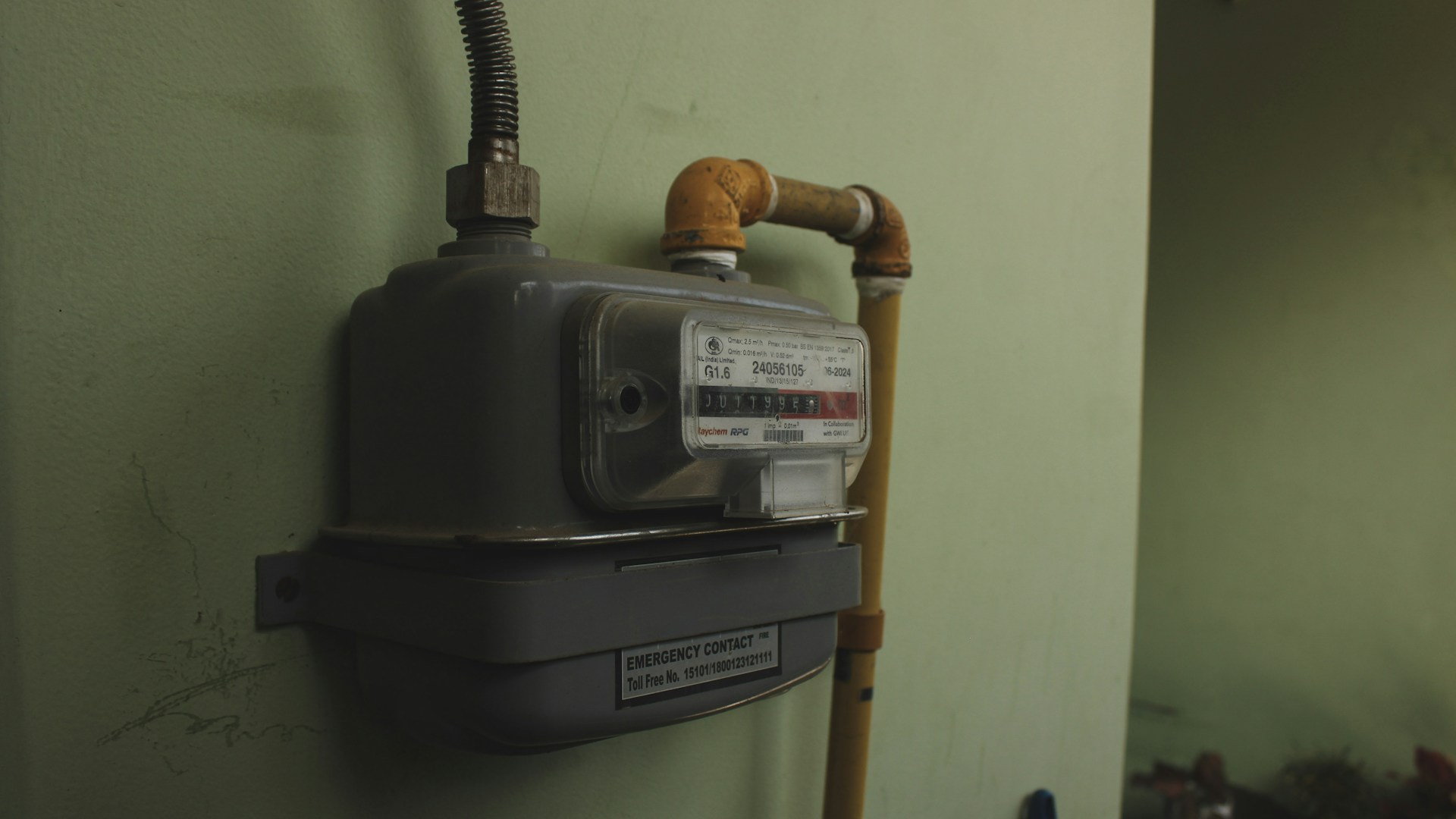
In a YouTube video from the channel @CyFy, an inspector says he found a leak at the meter of a new home even after an earlier repair, and he expects the builder’s wife to tell everyone he is fear mongering.
A Repeat Leak Despite The Fix
The inspector says this meter was already leaking once before. The gas company came out, fixed it, and he says the repair is still visible near the bottom of the fitting. Yet he found a leak again.
He says he did not even need his tester to know it. “I can see these are leaking without even testing them,” he says, pointing to a hole near the meter and to putty that has been pushed out by escaping gas.
“That’s our leak,” he says. He adds that gas crews are called as soon as he finds one, and he expects them within about 15 minutes.
The Stopcock Explanation
The inspector explains why he thinks the leaks keep coming back. The first valve that rises out of the ground at the meter is called the stopcock, and he says the same manufacturer has supplied it for years.
According to him, that manufacturer changed how the part is made. It used to be threaded together, he says, but now it is formed with a compression machine. He says the thread sealant liquid that installers used on the joint between the steel pipe and the brass valve dries after tightening and no longer holds pressure as it once did.
His fix is a change in procedure: thread tape instead. He says he has the problem figured out and that tape should solve it.
Pushback From Realtors And Builders
Then the video turns sharper. The inspector says realtors will tell homebuyers he is “gaslighting,” and that the builder’s wife will accuse him of fear mongering. He says he saw the same pattern on a large share of the homes he inspected, which, in his view, shows that procedures need to change.
“The gas companies are going to take these leaks very seriously,” he says, adding that he believes they will change how these fittings are installed.
He also says a builder once tried to take his license, and that it did not turn out well for that builder. His closing message: “Leaks aren’t necessary.”
What To Do If You Smell Gas
Whatever you think of the argument between inspectors and builders, the safety advice is simple and applies to every homeowner. Natural gas is naturally odorless, so utilities add a harmless chemical that smells like rotten eggs. If you smell it, treat it as an emergency.
Leave the house right away. Do not flip light switches, use a lighter, start a car in the garage or use a phone inside. Once you are outside and well away, call your gas utility’s emergency number or 911.
Do not go back in until the utility says it is safe. Most gas companies will send a crew promptly and will check for leaks at no charge.
How Inspectors Look For Leaks
Professionals use a combustible gas detector, a handheld device that senses gas in the air near fittings and joints. Some also use a soapy water solution, which bubbles when gas escapes. Both methods find leaks that the nose can miss.
Meter connections, valve joints, water heater lines and appliance connections are common places to check. A leak can start small and grow with temperature changes and vibration.
Homeowners can do a basic soap test as well. Mix dish soap and water, brush it on a fitting, and look for bubbles. If you see any, shut off the appliance if you can and call a professional.
Buying New Construction Smartly
New does not always mean perfect. Many buyers assume a new house has been inspected thoroughly because the city signed off. A municipal inspection is a code compliance check, and it is not the same as a buyer’s inspection done for you.
Hire your own inspector, and pick the person yourself rather than taking a name from someone with a stake in the sale. Ask to see a sample report, and ask whether the inspector carries insurance and belongs to a professional group such as ASHI or InterNACHI.
Plan your inspection at more than one stage if you can. Many buyers of new homes have an inspection before the drywall goes up and again before closing.
Follow Up Until It Is Fixed
If an inspection finds a gas leak, do not close on the house until the utility or a licensed plumber has repaired it and you have it in writing. Ask for a follow up test after the repair.
Keep copies of the inspection report, the repair invoice and any messages with the builder. If a problem comes back, written records make warranty claims much easier.
The Takeaway
The inspector in the video says he has found the same problem over and over, and he is not shy about saying so. Whether or not you agree with his tone, his core message is hard to dispute: a gas leak is serious, and nobody should be talked out of fixing one.
If you are buying a home, hire your own inspector, ask questions and insist on repairs. And if your nose ever catches that rotten egg smell, get out first and call afterward.
More Stories You May Like
- Couple Prosecuted Over A Veranda And A Backyard Building Added Without Permits Walks Away Without A Conviction After A Judge Finds Their Builder Misled Them
- Residents Of A 57 Lot Mobile Home Park Win A Two Year Fight To Stay In Their Homes After A Regulator Rules The Owner’s Eviction Notices Were Invalid, For Now
- About 265,000 Sharper Image Tabletop Fire Pits Sold For $30 To $50 At Home Depot, Lowe’s, Target And Walmart Are Recalled After Ignited Fuel Escaped And Caused Third And Fourth Degree Burns
Leave a Reply