The eviction is over, the tenants are gone, and the landlord walks through the house to see what they left behind. The backyard is where he starts, and it is a long way from move in ready.
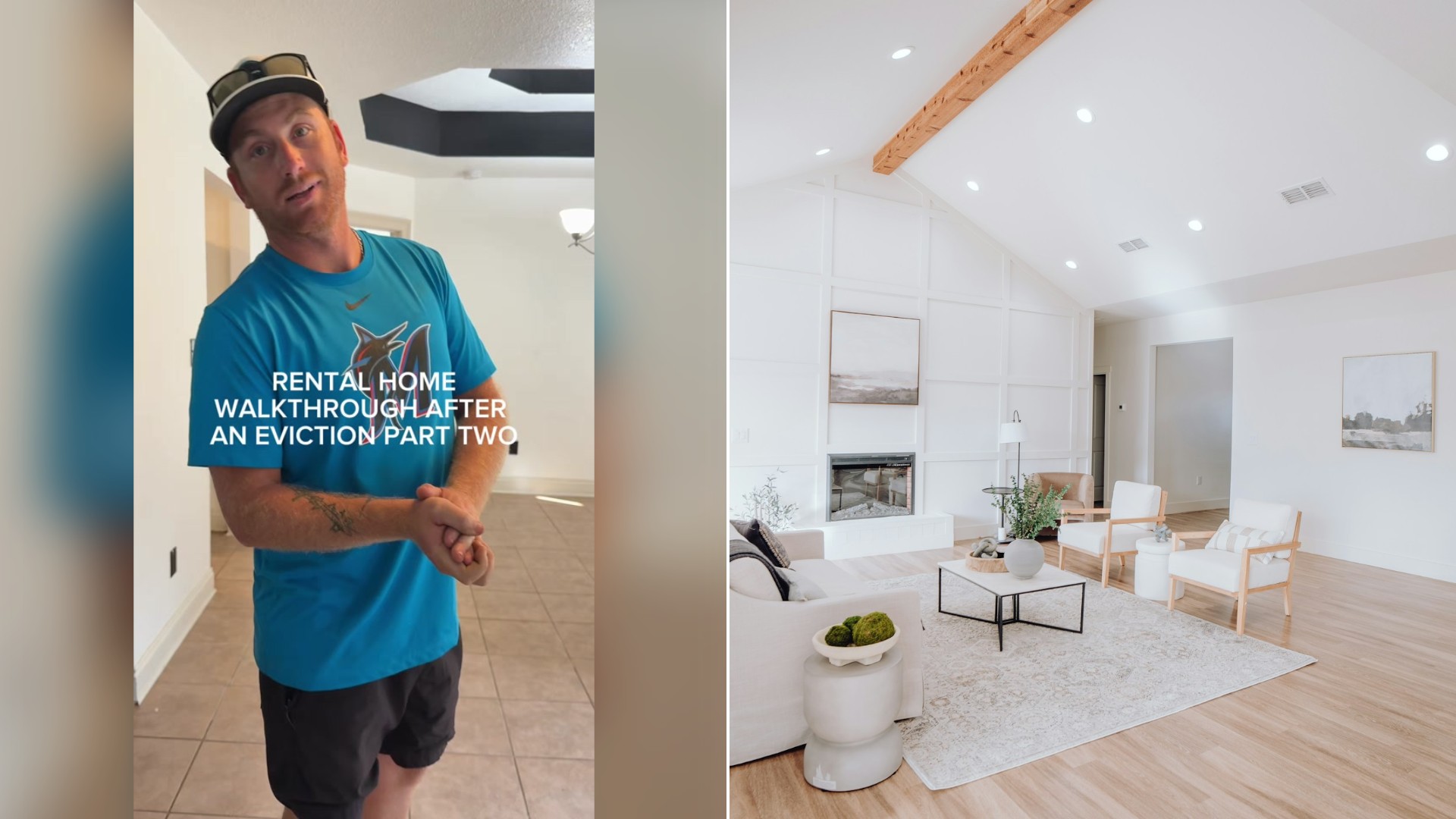
In part two of his walkthrough on TikTok, landlord @themerrittdad takes viewers from the yard to the back porch, and the first thing he mentions is the chickens that were never supposed to be there.
@themerrittdad
Chickens, A Duck And A Rental Nobody Approved Them For
“They had chickens,” he says. “They were not supposed to have chickens. And a duck.” He points out chicken droppings on the ground and says the mess seems to have been blowing around the whole area.
According to his video, the stuff outside had never been cleaned. He mentions mold, and he points to algae growing on surfaces. His verdict on the mold is blunt: “This is really bad.”
Inside the shop and the garage, he says, the story continues. He describes a ton of junk in the shop and “some questionable things” in the garage.
The Bounce House Company Had Already Heard About The Address
Then comes the detail that gets the most attention. The landlord says a local bounce house company commented on his video to let him know the address had been blacklisted.
He explains why. According to him, the back patio was covered in chicken droppings, and the chickens also messed all over the man’s bounce house and nobody cleaned it up afterward.
“Y’all know this has to be bad,” he says, “when a local bounce house company comments on your video.”
The Critics Say It Is Not That Bad
Not everyone online agrees that he has much to complain about. Some commenters say the place is not that bad because it was not completely destroyed.
His answer is pointed. “What does your house look like?” he asks, especially if this is the viewer’s standard of clean. He also says he is supposed to be grateful because the tenants did not burn the house down.
He also has a sharp message for the people calling landlords like him greedy. Then he promises more, telling viewers to come back for part three because he has more to clean up.
What Pets And Animals Are Allowed In A Rental
Stories like this highlight why the lease matters. A rental agreement normally spells out whether pets are allowed, which animals count and whether an extra deposit or monthly fee applies. Many leases cover dogs and cats but say nothing about livestock.
Local rules matter too. Some cities and counties restrict backyard chickens, require permits or limit the number of birds, while others welcome them. A tenant who wants chickens should check city code and get written permission from the landlord first.
Landlords benefit from being specific. A clause that names the animals that are allowed, and those that are not, leaves less room for arguments later.
How Landlords Protect Themselves Before And After A Move Out
The most useful habit a landlord can build is documentation. A move in inspection with dated photos and a signed checklist gives a clear baseline. Regular inspections during the tenancy, done with proper notice as required by state law, catch problems early.
At move out, take photos and video of every room, the yard, the garage and any outbuildings. Compare them to the move in records. Keep receipts for every cleanup and repair.
Security deposit rules differ from state to state. Many states set a deadline for returning the deposit or sending an itemized list of deductions, and deductions are usually limited to damage beyond normal wear and tear. Following the deadline carefully can save a landlord from penalties.
What Tenants Should Know
Tenants have responsibilities as well as rights. Keeping the property in reasonable condition, following the lease and asking before adding animals or making changes protect the security deposit and a good rental reference.
Moving out clean, with photos to prove it, is the best way to get a deposit back. Many tenants never think to take pictures, and then find themselves arguing over a few hundred dollars.
If you run into trouble paying rent or keeping up the home, talking to the landlord early often leads to a better outcome than silence. Evictions stay on records and can make it harder to rent in the future.
Why These Videos Get So Much Attention
Rental horror stories fascinate people because nearly everyone has been on one side of the lease or the other. Tenants see a landlord who may cut corners. Landlords see a tenant who may leave a mess. Both stories happen, and they come from real people paying real bills.
A landlord who shares a walkthrough like this one is showing the cost of damage that never makes it into a lease. Small property owners often carry the mortgage, taxes and repairs on their own, and a cleanup like this can eat weeks of time and plenty of money.
The Takeaway For Landlords And Renters
The landlord in the video says he has more to clean up, and the series continues. The practical lessons are already clear. Put animal rules in writing, inspect with proper notice, document everything and know your local rules.
Whether you rent or own, a house is easier to care for when people talk plainly and keep records. That is how a back porch ends up as a place for coffee rather than a story that goes around the internet.
More Stories You May Like
- Tenants Leave Behind An Illegal Wall, Screws Through The Tile And A Filthy King Bed After One Year, So Would You Give Back Their $2,500 Deposit
- Corpus Christi Council Votes To Ban Short Term Rentals In Every Single Family Zone Starting January 1, 2027 If A Nov. 17 Final Vote Passes, And Every Rental Left Will Need A License With Inspections And Off Street Parking
- Homeowners Say A Charismatic Renovator Collected Big Deposits, Gutted Their Homes To The Studs And Left Subcontractors Unpaid, And Court Records Show Nearly 70 Lawsuits Even After The State Suspended His Registration
Leave a Reply