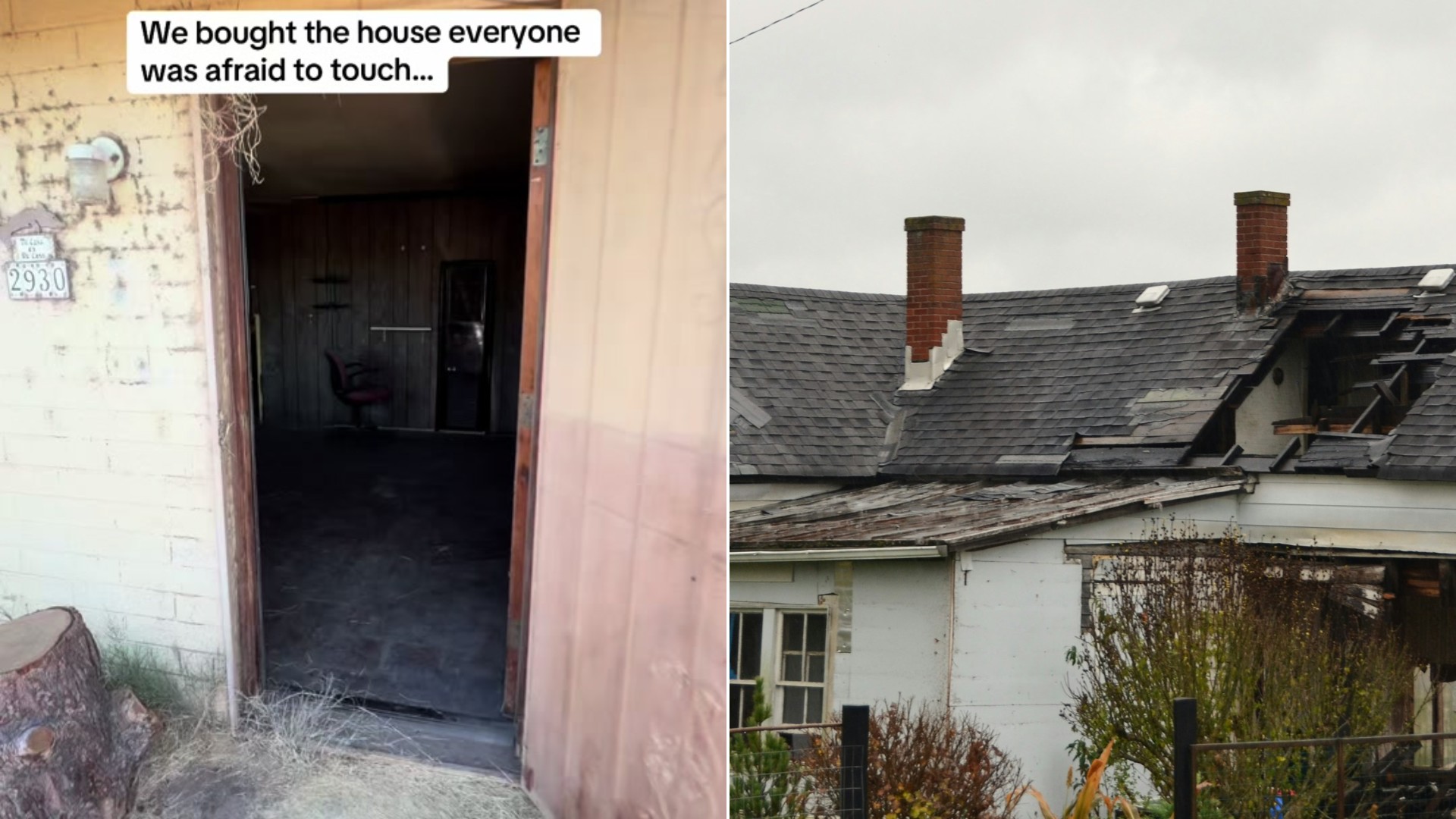
Six weeks after buying the cheapest house in Phoenix, the new owners have a brand new roof and a brand new HVAC system, and the place still looks like an explosion hit it. That is the stage of a flip nobody puts on the poster.
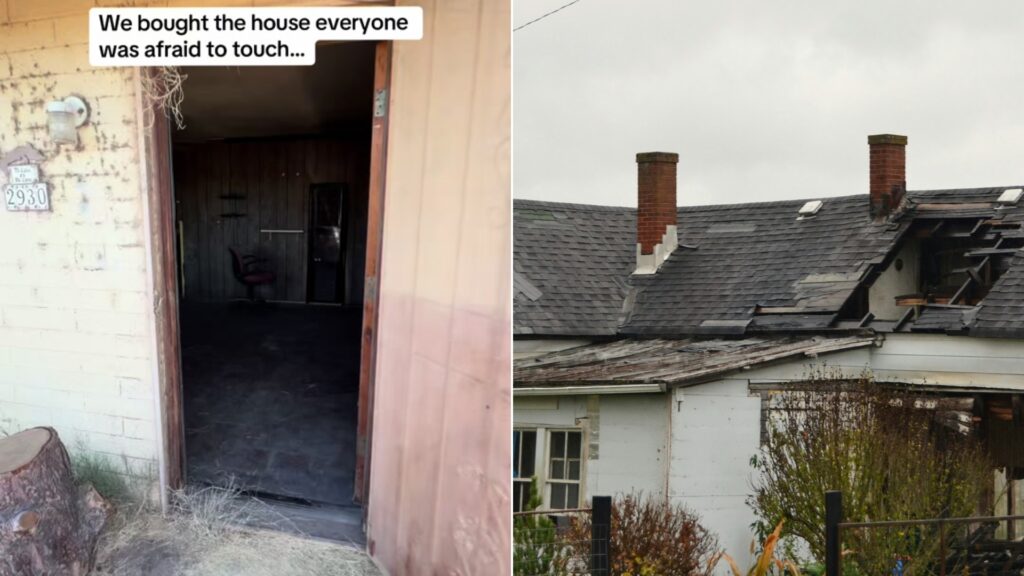
Real estate agent @thatflippingagent shared the update in a video, and it is a reminder that the most expensive work on an old house is often the work you can’t photograph.
The Cheapest House In Phoenix Is Still A Construction Zone
The house is the cheapest one in Phoenix, according to the update. Six weeks into the project, the big mechanical items are done: a new roof is on, and a new HVAC system has been installed.
From the street and from the inside, though, the job still reads as a disaster. Drywall, windows and the shower are all still on the list, and the walls and rooms look like the aftermath of a blast.
@thatflippingagent
That gap between money spent and progress you can see is exactly what makes the middle of a renovation so hard on the nerves. The roof and the air conditioning are the two items a buyer will never admire at an open house, yet they are two of the most expensive line items on any older home.
Why A New Roof And HVAC Don’t Look Like Progress
A roof keeps rain out, and an HVAC system keeps the house livable. Neither one changes how a room feels when you walk in. A fresh coat of paint does more for photos than a roof that cost many times as much.
In a hot climate like Phoenix, both pieces of equipment work hard. Summer sun beats on roofing materials for months, and air conditioning runs almost nonstop for a large part of the year. A system that is tired or failing in a house like this is not a cosmetic problem, it is a safety and comfort problem.
For that reason many investors tackle the roof and mechanicals first. Water and heat damage everything else you install later, so it makes no sense to hang new drywall under a roof that might leak.
Drywall, Windows And A Shower Are Next On The List
With the roof and HVAC finished, the list in the update is drywall, windows and the shower. That is a normal order of attack on a gut job: structure and systems first, then the surfaces you see and touch.
Drywall is the moment a house turns from a shell into rooms. Once it goes up, gets taped, mudded, sanded and painted, a space that looked wrecked can look like a home in a matter of days.
Windows matter for the same reasons the roof and HVAC do. Old single-pane or leaky windows make an air conditioner work harder, so replacing them protects the money spent on the new system.
The shower is the last piece in the list, and bathrooms are famous for eating budgets. Plumbing, waterproofing, tile and fixtures all have to be done in the right sequence, and a mistake behind the wall costs far more than a mistake on the surface.
The Ugly Middle Is Where Flips Are Won Or Lost
Most people who start a renovation hit a point somewhere in the middle where the old charm is gone, the new look hasn’t arrived, and the bank account is lower than planned. Six weeks in, this house is there.
The people who get through it share a few habits, and they are worth copying even if you are only redoing a single room.
- Keep a contingency fund. Many renovators set aside 10% to 20% of the budget for surprises, and old houses reliably deliver surprises.
- Fix what protects the house first. Roof, water, electrical and cooling come before paint and trim.
- Get the order of trades right. Rough plumbing and electrical go in before drywall, and drywall goes in before paint and flooring.
- Take photos of everything before walls are closed. They are useful later for repairs and for resale paperwork.
- Don’t judge the project by week six. Nearly every rehab looks worst just before the finish work begins.
What Buyers Of Cheap Houses Should Know
The cheapest house on the market is cheap for a reason, and the reason is usually the repair bill. A low price can be a bargain only if the buyer knows what the true total will be once everything is brought up to standard.
Investors often work backward from what the house could sell for after repairs, subtract the work and their profit, and arrive at the most they can offer. Homeowners buying a fixer to live in can use the same thinking, with comfort in place of profit.
Before buying any very cheap house, get a thorough inspection, ask contractors for written bids on the big items, and add a cushion. The roof and the HVAC are the two items worth pricing first, because they are the ones most likely to decide whether the deal pencils out.
Patience Is The Tool Nobody Sells
The update from @thatflippingagent is a good reality check for anyone who watches renovation videos and expects every project to move in neat, satisfying steps. Real projects have weeks where thousands of dollars disappear into a roof and an air conditioner and the house still looks wrecked.
If you are in that stage yourself, take heart. The visible magic comes late, once drywall, windows and the shower are finished, and then a house that looked like an explosion hit it can start to look like somebody’s home.
More Stories You May Like
- Homeowner Hosts 141 Guests During 36 Short Term Stays Despite Neighborhood Rules, Then The State Supreme Court Votes 5 To 4 That Renting It Out Is A Business And Upholds $8,528 In Fines
- She Bought Her First Home And Heard Scratching After One Week, Four Months And Several Pest Controllers Later A Smoke Test Still Could Not Find How The Rats Got In
- HVAC Tech Gets A Repair Call, Is Asked If He Can Swim, Then Finds The AC Unit Underwater In A Pool Right Next To A Mercedes, They Crashed The Car
Leave a Reply