Every homeowner has a spot on the property they keep meaning to deal with. For one couple, that spot was the ground beneath their backyard shed. When they finally dug into a hole there, they pulled out a pile of bones and a handful of shotgun casings, and the story took a turn nobody expected on a quiet afternoon of yard work.
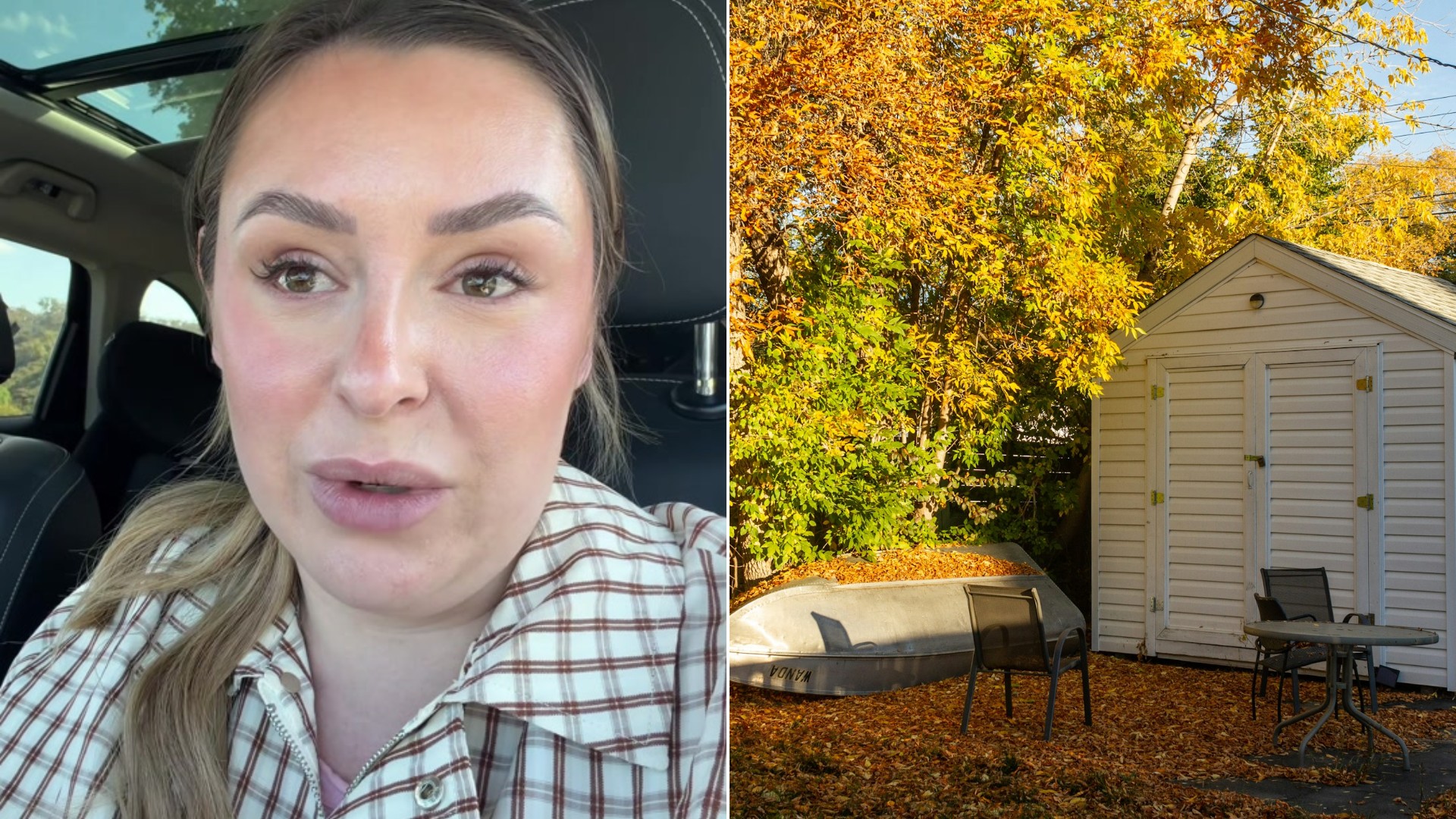
The discovery was shared on TikTok by @_jesswhittaker, who posted the video of the dig and the moment the homeowners started wondering what exactly they had uncovered.
@_jesswhittaker
A Hole Under The Shed Turns Up Bones And Shotgun Casings
Sheds make perfect hiding places, and not only for rakes and old paint cans. The dark, dry space under a shed floor attracts groundhogs, raccoons, skunks, foxes and stray cats, all of which dig, drag food in and leave a mess behind.
In their video, the homeowners dig into a hole under the shed and bring up a pile of bones. Mixed in with them are shotgun casings, the spent plastic and brass shells that hunters and landowners leave behind.
That combination is what made the moment so tense. Bones alone might mean a dead animal. Bones and shotgun casings together sound like something much more serious, and anyone who has watched a crime show knows where the mind goes next.
Then The Homeowners Decide It Is A Large Animal And Not A Body
The couple talk it through and land on a conclusion. They decide the pile is a large animal and not a body. That is their own read of what they found, and it is a reasonable first instinct for a property in the country or on the edge of woods, where animals die and are sometimes disposed of near outbuildings.
Still, a guess made in the backyard is only a guess. The bigger lesson in the video is how quickly a routine chore can turn into a question that deserves a real answer.
Why Shotgun Casings Show Up In Strange Places
Shotgun casings are not unusual on rural land. Farmers use shotguns for pest control, hunters use them in season, and people who owned a property decades ago may have used the back lot for target practice.
Shells also last a long time in soil. Brass ends can stay recognizable for many years, and plastic hulls break down slowly, so a casing in the dirt is no clock for when it landed there.
There is also a long tradition of burying a large animal close to a shed or barn. When a horse, a cow, a deer or a pet that was too big to move had to be put down, owners often dug a pit and covered it over, then forgot about it when the property changed hands.
How To Tell Animal Bones From Human Bones
Most people cannot tell the difference at a glance, and that is fine. Animal and human bones can look surprisingly alike, especially when they are broken up or jumbled together. Forensic specialists look at the shape of the long bones, the joints, the skull and the teeth, and they can usually settle the question quickly.
Some general clues help. Animal skulls have very different shapes and tooth patterns than human skulls. Many animals have leg bones that are thicker or shaped differently from ours. And a collection of mixed sizes and types is more often an animal pit than anything else.
The key point is that the final answer should come from someone trained to give it, not from a guess or an internet comment section.
What To Do If You Dig Up Bones On Your Property
If you ever turn up bones, here is a simple plan that keeps you safe and protects your property.
- Stop digging. Digging further can damage what you found and scatter pieces around.
- Do not pick up the bones or move them. Take photos from a few angles with something in the frame for scale, like a tape measure or a trowel.
- Call your local police on their non-emergency line, or animal control or a county extension office if you strongly suspect an animal. They can send someone to look, and if there is any doubt they will bring in a specialist.
- Write down where you dug and when, and keep any casings or other objects exactly where they are.
That small bit of caution costs nothing and can save you from a bigger headache later, especially on land with a long history.
Keep Animals Out From Under Your Shed
The better news is that most holes under sheds are simply a sign that wildlife has moved in. You can fix that without much money.
The standard method is to bury hardware cloth, a sturdy wire mesh, around the base of the shed. Dig a trench about a foot deep, bend the mesh into an L shape so it extends outward along the bottom, and attach the top to the shed frame. Animals that try to dig straight down hit the mesh and give up.
Before you seal anything, make sure nothing is living inside. Sprinkle a little flour near the entrance and check for footprints for a couple of nights, or watch the hole at dusk. Closing it with an animal trapped inside is cruel and leads to a smelly problem.
Also keep the area around the shed clear of brush and woodpiles, store birdseed and pet food in sealed containers, and fill gaps in the foundation blocks. A tidy, well-lit shed is far less inviting than a quiet one tucked behind tall weeds.
The Takeaway For Every Homeowner
This couple went in looking at a hole and came out with a mystery, a theory and a story that people were happy to share. Whether you live in the country or the suburbs, the lesson is the same. Know what is on your land, treat any strange find with care, and get a professional opinion when something does not add up.
The next time you notice a hole near the shed, take a look before it becomes a bigger project. You might just save yourself a surprise.
More Stories You May Like
- Dad Cleans His Dryer Vent In Under 45 Minutes, And His Best Hack Is Taping A Large Ziploc Bag To The End Of A Leaf Blower
- Jury Awards More Than 200 Amherst Homeowners $4.36 Million After Finding A Former Textile Plant Liable For PFOA Contamination That Cut Their Property Values, And More Damages Proceedings Are Still To Come
- Woman Pays A Contractor $38,480 In Four Checks For Home Repairs, Then A Probable Cause Statement Says He Removed Structural Supports, Left A Hole In The Roof And Claimed He Replaced Footings A Second Contractor Found He Did Not
Leave a Reply