Every gardener knows the satisfying chore of cleaning up after a good bloom. You snip off the spent flowers, sweep the pile into a corner and step back to admire a tidier bed. @dallassparks50 was doing exactly that when an officer showed up with the wrong idea.
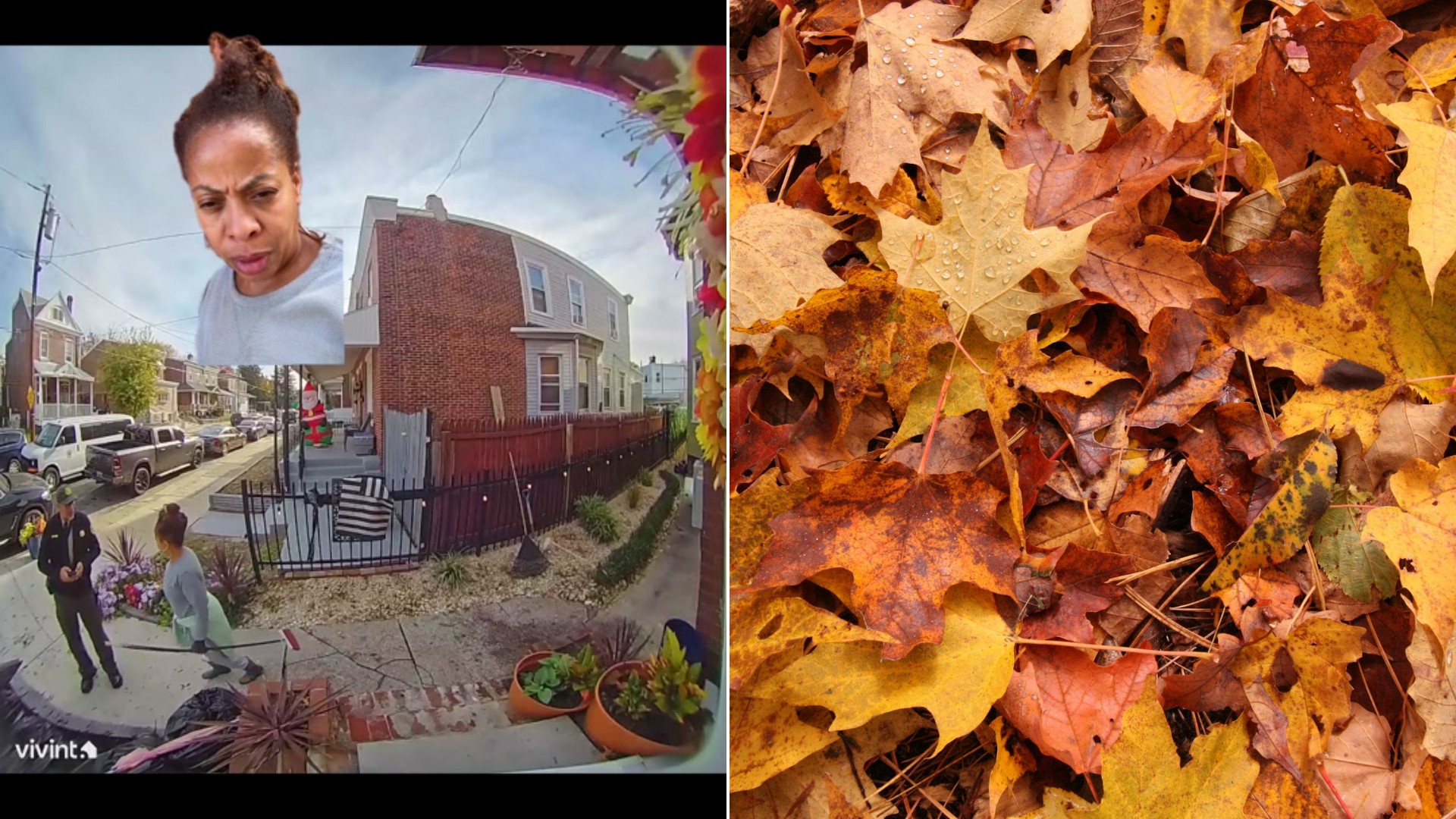
The officer saw a heap of cut plants and thought it was trash. The gardener was very nearly ticketed for it.
@dallassparks50
Sweeping Up Deadheaded Plants In Their Own Garden
Deadheading is the practice of removing faded flowers so a plant can put its energy into new growth instead of seed. Done regularly, it keeps petunias, roses, zinnias, marigolds and many other favorites blooming for weeks longer.
The job leaves a pile. Cut stems and withered blooms look a lot like yard waste, especially when they are gathered in a heap on a lawn or walkway before they head to the compost.
When A Garden Chore Looks Like Litter
From the street, a pile of clippings is easy to misread. An officer driving past might see leaves, stems and petals stacked up and take it for dumped yard debris, the kind many communities limit or fine.
In this case, the pile was part of an ordinary garden cleanup in the gardener’s own yard. That is what makes the story so frustrating to gardeners everywhere: they were doing the right thing, and it nearly cost them.
Nearly Ticketed For Tending Their Own Plants
According to the video, the gardener came close to getting a ticket before the situation was sorted out. It is a vivid example of how rules about neatness can clash with how gardens actually work.
Gardens are messy while they are being tended. Compost heaps, brush piles and trimmings waiting for pickup are normal parts of the process, and many local codes make allowances for them if they are handled properly.
Why Cities Care About Yard Debris
Local governments have good reasons for rules about yard waste. Piles left in the street can block storm drains, attract pests and create fire risks in dry climates.
Because of that, many places spell out how long clippings can sit and how they should be stored or bagged. Knowing the rules for your area keeps a normal cleanup from being mistaken for illegal dumping.
How To Keep A Garden Cleanup From Looking Like Trash
A few simple habits make it obvious that a pile is part of a garden project and not a mess left behind.
- Gather clippings into a wheelbarrow, bucket or yard waste bin right away rather than leaving them on the lawn or sidewalk.
- Keep piles away from the street and out of the public right of way.
- Use a proper compost bin, which signals that the material is being recycled.
- Bag or bundle trimmings for curbside pickup following your city’s schedule.
- Check whether your city or HOA limits how long yard waste can sit.
What To Do If An Officer Questions Your Yard
Stay calm and polite. Explain what you are doing in plain words, such as that you are deadheading flowers and the material is going into your compost or yard waste bin.
Pointing to the plants themselves often helps, since the spent blooms are plainly part of your garden. If you receive a citation, read it carefully, take photos of the area and ask the issuing office how to appeal or have it reviewed.
Know Your Local Code Before A Problem Starts
Most cities post their property maintenance and yard waste rules online, and a short read can save a lot of grief. Look for sections on debris, composting, overgrowth and curbside pickup.
If your rules read confusingly, a quick call to the city office will often get you a straight answer. Keeping a note of who you spoke with and when gives you something to point to if questions come up later.
Deadheading Tips For Longer Blooms
While the story is a warning, it is also a reminder of why gardeners love this chore. Pinch or snip just above a set of healthy leaves, use clean, sharp shears, and remove spent blooms every few days during the growing season.
Many annuals, such as petunias and zinnias, respond with fresh flowers. Perennials like coneflowers and daylilies also benefit, although some gardeners leave late-season seed heads for birds.
Compost It, Mulch It Or Bag It
Deadheaded material does not have to leave your property at all. Soft stems and petals break down quickly in a compost pile, and a layer of chopped clippings under shrubs makes a light mulch that holds moisture.
Anything diseased, such as leaves with mildew or spots, is better bagged and sent out with your trash so the problem does not spread through your compost. Sorting your cleanup this way keeps plants healthy and shows anyone passing by that the pile has a purpose.
The Lesson From A Misread Pile
At its heart, this is a story about perception. A gardener’s careful work looked like a mess to someone passing by, and a quick judgment nearly turned into a fine.
The takeaway is simple: tidy as you go, know your local rules and keep your cool if someone misunderstands what you are doing. A garden is a labor of love, and it should not cost you a ticket.
More Stories You May Like
- Federal Regulators Say Stop Using Certain Amazon Gate Opener Remotes Because Children Can Access Their Coin Batteries, And The Seller Has Not Issued A Recall
- Homeowners Say A Charismatic Renovator Collected Big Deposits, Gutted Their Homes To The Studs And Left Subcontractors Unpaid, And Court Records Show Nearly 70 Lawsuits Even After The State Suspended His Registration
- Tenants Keep Paying Rent While Their Landlord Racks Up More Than $1 Million In Unpaid Water Bills At Five Buildings, And One Renter Asks ‘So Where Is That Money Going?’
Leave a Reply