Nobody likes finding ants in the kitchen. A home inspector says one of the best defenses against them is built into the house before the drywall goes up, and it comes in a spray can.
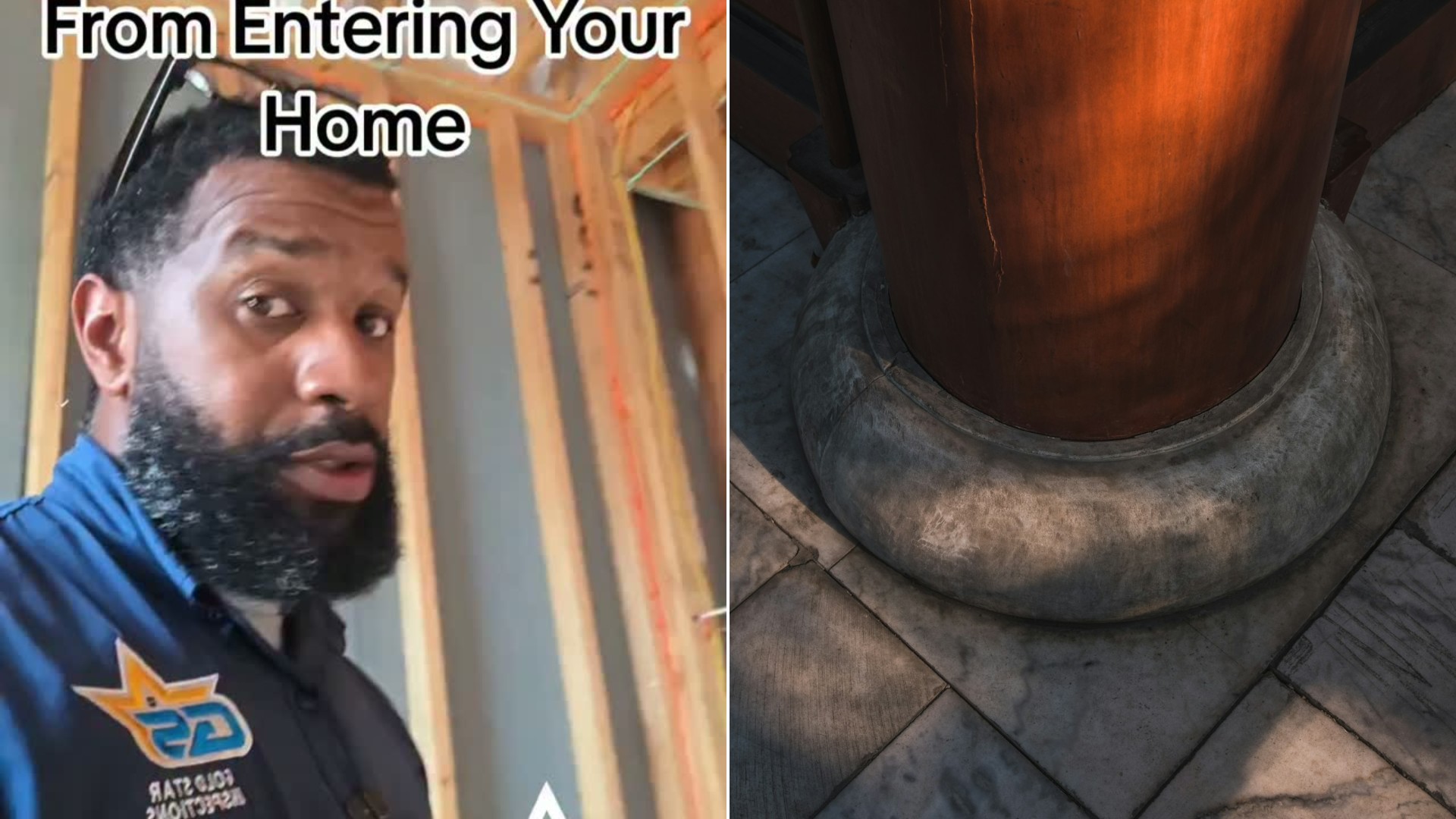
In a reel from @gold.star.inspections, the inspector shows the spray foam step that keeps bugs and ants out of a new build. Then he catches a spot where it was done wrong.
It is a small detail, and it says a lot about how a house is built.
View this post on Instagram
The Spray Foam Step That Keeps Bugs Out
According to the inspector, the key is sealing the plate, the horizontal piece of lumber that sits along the bottom of the wall. Spray foam goes on both sides of it, closing the tiny gaps where the wood meets the slab or subfloor.
Those gaps are like front doors for insects. Ants, spiders and other pests can travel through very small cracks, and a continuous seal takes away the easy paths into the house.
Then He Catches A Spot That Was Done Wrong
The story takes a turn from there. The inspector points to a spot where the sealing was done wrong, which means there is still a path for bugs and for air to get in.
It is a common find. Spray foam is quick to apply, but it takes care to cover every joint and corner, and a missed section can go unnoticed once the walls are closed up.
Why Sealing The Bottom Plate Matters For More Than Bugs
The bottom of the wall is also a major source of air leaks. Air sneaks in through the gaps, carrying dust, moisture and outdoor temperatures, and that makes a house harder to heat and cool.
A tight seal helps lower energy bills and improves comfort. It can also reduce drafts around baseboards, and it keeps humid air from reaching the wood where it could cause problems.
What To Look For In A New Build
If you are building or buying a new home, the best time to check sealing is before insulation and drywall cover the framing. Ask your builder or inspector to look at the bottom plates, window and door openings, and places where pipes and wires go through the framing.
Look for a continuous bead of sealant or foam, with no gaps and no spots that were skipped. A pre-drywall inspection is the ideal time, since everything is open and easy to see.
Simple Ways To Keep Ants Out Of An Existing Home
Most of us live in houses that are already built, and there are still plenty of ways to keep ants out. These steps help.
- Seal cracks and gaps around windows, doors, pipes and baseboards with caulk.
- Fill larger gaps around pipes with a foam made for that purpose, and check the label for its intended use.
- Keep food in sealed containers, wipe counters and take out the trash often.
- Trim trees and shrubs so they do not touch the house, since branches act as bridges.
- Fix leaks and dry up damp spots, since ants and other pests go where there is moisture.
If you see a trail of ants, follow it to the entry point and seal that spot after cleaning it. Cleaning removes the scent trail that other ants follow.
Questions To Ask Your Builder
A good builder will welcome questions about air sealing and pest control. Ask what product they use at the bottom plate, whether they seal both sides and how they check their work.
Ask if the home will be tested for air leakage, and request a copy of the results. Some builders do a blower door test, which measures how leaky a house is, and the numbers can tell you a lot about the quality of the build.
Why New Builds Need A Second Look At The Details
New houses go up fast, and several crews may work on the same wall in a single week. The person who sprays the foam is rarely the person who checks it, and gaps slip through.
An independent inspection adds that second pair of eyes. Even a small miss at the bottom of a wall can matter, since air and insects find the weakest point and use it.
When To Call A Pest Professional
Sealing is a great start, but it does not replace pest control. If you see ants regularly, find wood damage or notice large trails, call a licensed pest professional to identify the species and treat the nest.
Carpenter ants, for example, can damage wood, and termites cause serious structural harm. A pro can tell the difference and recommend the right treatment, and some will include a yearly inspection with a warranty.
Little Gaps Add Up To Big Energy Bills
The average home has dozens of tiny openings that add up to the size of a wide open window. Sealing them is one of the cheapest upgrades available, and it pays back through lower heating and cooling costs.
The plate along the bottom of the wall is one of the best places to start, along with attic hatches, electrical boxes on outside walls and openings where wires and pipes enter the house.
The takeaway is a reassuring one. A can of foam in the right place can save a homeowner years of trouble, and an inspector with a sharp eye can catch the spots that were missed. It is a good reminder to look closely at the small steps behind every wall.
More Stories You May Like
- Homeowner Whose Hired Fence Builder Once Hit The Main Water Line Rebuilds A Rotting Fence Alone, Then Puts The Gate Hinges In The Wrong Spot
- Neighbor Keeps Taking Her Trash Can Off The Porch And Bringing It Back, Then Ring Cameras Catch Her Standing Out Front Holding Up A Phone And Whispering It’s Gone
- Lawn Pro Says Throwing Grass Seed Down In Mid November Is A Trick That Works, But Get The Timing Wrong And You Waste All The Seed
Leave a Reply