Most service calls start with a question like “what is it doing” or “when did it stop.” This one started with a customer asking the HVAC tech whether he could swim.
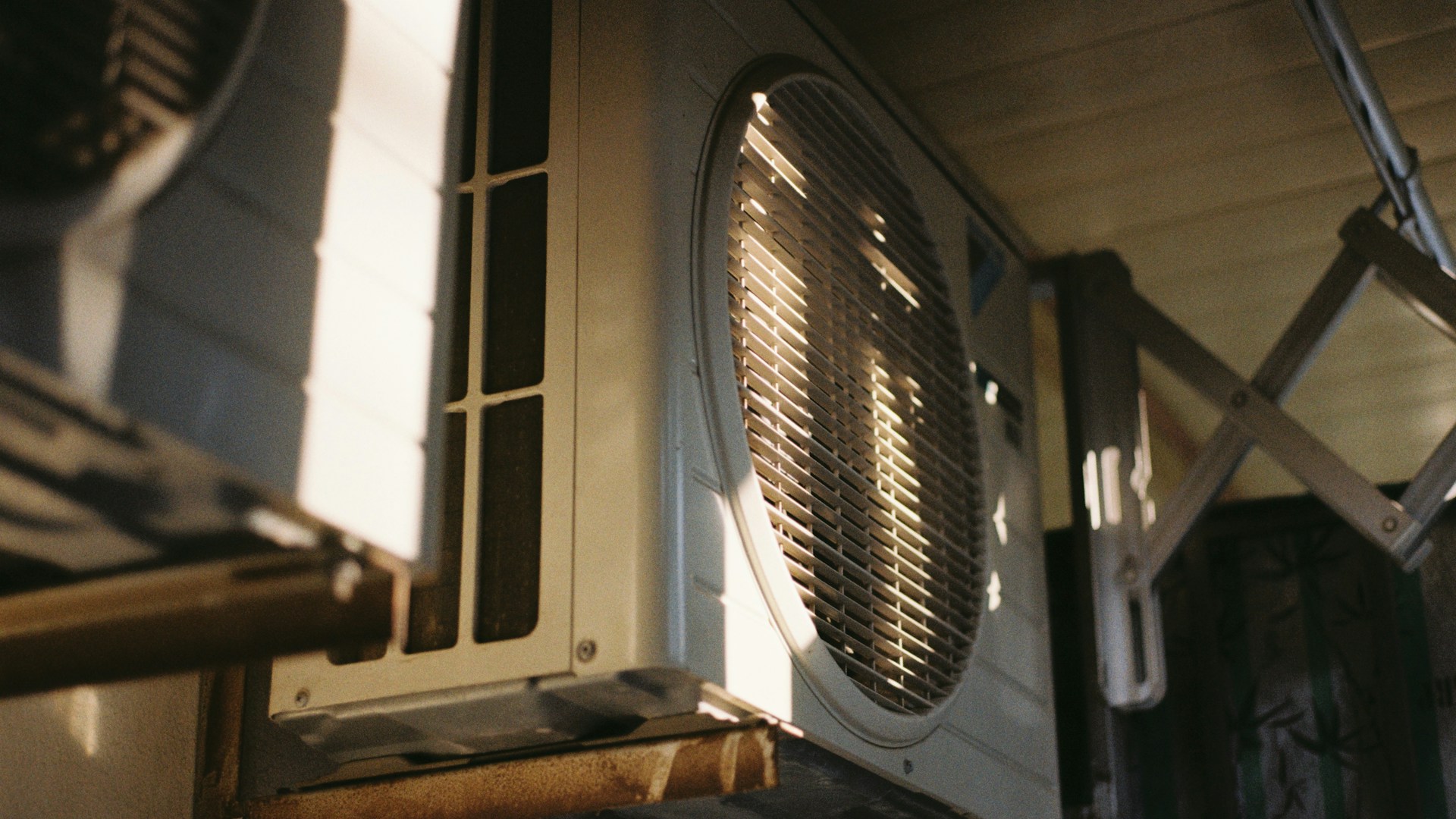
The tech, @matts_crafty, says what he found when he arrived explained the question. A Mercedes had crashed through the wall of the house, and the AC unit had been ripped out and was sitting in water.
View this post on Instagram
“Can I Swim?” Is Not A Normal Service Call Question
When a customer asks a technician whether he can swim before a repair, you start to wonder what you are walking into. In his reel, the tech shares that exact question and then shows why it was asked.
HVAC techs see a lot of strange setups, from units buried in weeds to attics hotter than an oven. A water filled equipment space with a wrecked wall beside it is something else.
A Mercedes Through The Wall
The scene he describes is dramatic. A Mercedes had gone through the wall of the house, and the force pulled the air conditioning unit out of place.
The unit was ripped from the wall and left sitting in water, and the tech says water was being drained as he got to work. He also notes the size of the equipment, a 4 ton unit.
That is a serious piece of machinery, and not something that comes loose without a major impact. It shows how much damage a vehicle can do to the systems that keep a house comfortable.
What A 4 Ton Unit Actually Means
In the air conditioning world, a ton is a measure of cooling capacity, not weight. One ton equals 12,000 BTU per hour of cooling, so a 4 ton system provides about 48,000 BTU per hour.
A common rule of thumb is that one ton cools somewhere around 400 to 600 square feet, depending on climate, insulation and layout. That puts a 4 ton unit in the range of a larger home, though a proper load calculation is the right way to size any system.
Big systems come with big price tags. Replacing a unit of that size, along with lines, electrical connections and a pad, can run into the thousands of dollars.
Water, Electricity And Refrigerant Do Not Mix
A damaged outdoor or wall mounted unit sitting in water is a safety problem as well as a repair job. Electricity and standing water are a dangerous combination, and a unit that is torn away can leave live wires exposed.
The right move for any homeowner is to turn off the power at the breaker panel if it is safe to reach, and to stay out of standing water near electrical equipment. Do not touch damaged wiring, and call a licensed professional.
Air conditioners also contain refrigerant, a pressurized fluid that should be handled only by certified technicians. Torn lines can leak, and releasing refrigerant is regulated for good reason.
If A Vehicle Hits Your House
Nobody plans for this, but it is worth knowing what to do. Move everyone to safety and call emergency services first.
- Shut off electricity, gas and water to the damaged area if you can do it safely.
- Photograph and video everything before anything is moved, including the vehicle, the wall and the equipment.
- Call your homeowner’s insurance company as soon as possible and ask about the claim process.
- Get the driver’s information and the police report number.
- Have a structural engineer or experienced contractor assess the wall before anyone goes back inside.
What Techs Check After Impact Damage
Once the area is safe, a technician looks at more than the cabinet of the unit. The refrigerant lines, the electrical disconnect, the condensate drain, the pad and the ductwork or line set that connects to the house all need inspection.
Even if a unit looks like it survived, internal parts such as the compressor, fan motor and coil can be damaged by a hard knock or by sitting in water. A careful tech tests everything and gives an honest answer on repair versus replacement.
Replacement may also be an opportunity. Newer systems are often more efficient, and some manufacturers and utilities offer rebates, so ask about options while the work is already being done.
Keeping Equipment Safe From Everyday Hazards
Few homes face a Mercedes, but outdoor equipment faces plenty of everyday threats. Lawn mowers, flooding, falling branches and snow slides all cause damage every year.
Keep a couple of feet of clear space around the unit, and consider a barrier or bollard if it sits near a driveway or parking area. Making sure the pad is level and that water drains away from it also helps protect your investment.
Insurance, Repairs And Patience
A crash through a wall can involve damage to framing, wiring, plumbing, insulation and cooling equipment all at once. Insurance claims for this kind of event can take time, so keep a folder with every estimate and receipt.
Ask your contractor to separate costs by system. That makes it easier for an adjuster to review the claim, and it makes sure the HVAC work is priced properly instead of being lumped into a general repair figure.
Why Techs Share Stories Like This
Tradespeople see the parts of homes most people never think about. Short videos let them show what a normal day can look like, and the unexpected moments are what people remember.
The takeaway for the rest of us is to respect the equipment that keeps our homes comfortable. A wall, a pad and a unit do a lot of quiet work, until the day a car arrives uninvited and the question on the phone is whether the person coming can swim.
More Stories You May Like
- HVAC Tech Gets A Repair Call, Is Asked If He Can Swim, Then Finds The AC Unit Underwater In A Pool Right Next To A Mercedes, They Crashed The Car
- Farm Owner Waits 8 Months For A Solar And Battery System With Around 190 Panels, Then An Electrician Finds Plumbing Pipe Used As Conduit And A Screw Through His CCTV Cable
- Investor Tours A Detroit Fourplex Left Vacant For About 16 Years And Finds It Buried In Trash, Then Still Thinks Each Unit Could Rent For $1,000 To $1,100
Leave a Reply