A UK farm owner named Luke wanted solar panels and a battery system to power his farm and guest accommodation. Eight months later, he still did not have a finished system, and the electrician who came to look at it said the job was “on another level” of bad.
That electrician is Jordan of Artisan Electrics, who walks through botched solar jobs in a series called Shocking Solar. His take on this one: “There’s about every possible thing that could be done wrong has been done wrong on this installation.”
Eight Months In, “A Little Bit” Through The Wringer
Luke told Jordan he hired a company for the solar and battery system and “it’s turned into a bit of a disaster.” Early in the install, a few concerns came up. He questioned the installer and kept hearing it would be put right. It never was.
The system has about 190 panels, according to what Luke was told. One roof carries five strings of 21 panels, and the other roof carries four more strings. Luke says no structural survey was done. He was simply told the roof was acceptable.
Jordan’s first look at the equipment did not help. He said the cables were lashed in, panels were everywhere, and the whole thing looked like a rat’s nest.
Plumbing Pipe As Conduit And A Screw Through His CCTV Cable
Then came the discoveries. Jordan pointed out that the installers had used plumbing soil pipe, the type made for waste, as conduit for electrical cable. “That is not conduit,” he said, and Luke agreed it was waste soil pipe.
Worse, one of the fixing screws had gone straight through the data cable for Luke’s CCTV. Jordan said it had barely shaved the side of the joist, and that this kind of thing had happened on a lot of joists. Luke laughed, then admitted he was only laughing because otherwise he would be crying.
The cables outdoors were no better. In one shed, the cables were simply draped over metal purlins on the roof. Jordan said he had seen no earth bonding on any of the rails, and the duct used for the DC cables was single wall, which he said is not compliant.
The Panels Are Sagging, And They Were Walked On After Three Attempts To Level Them
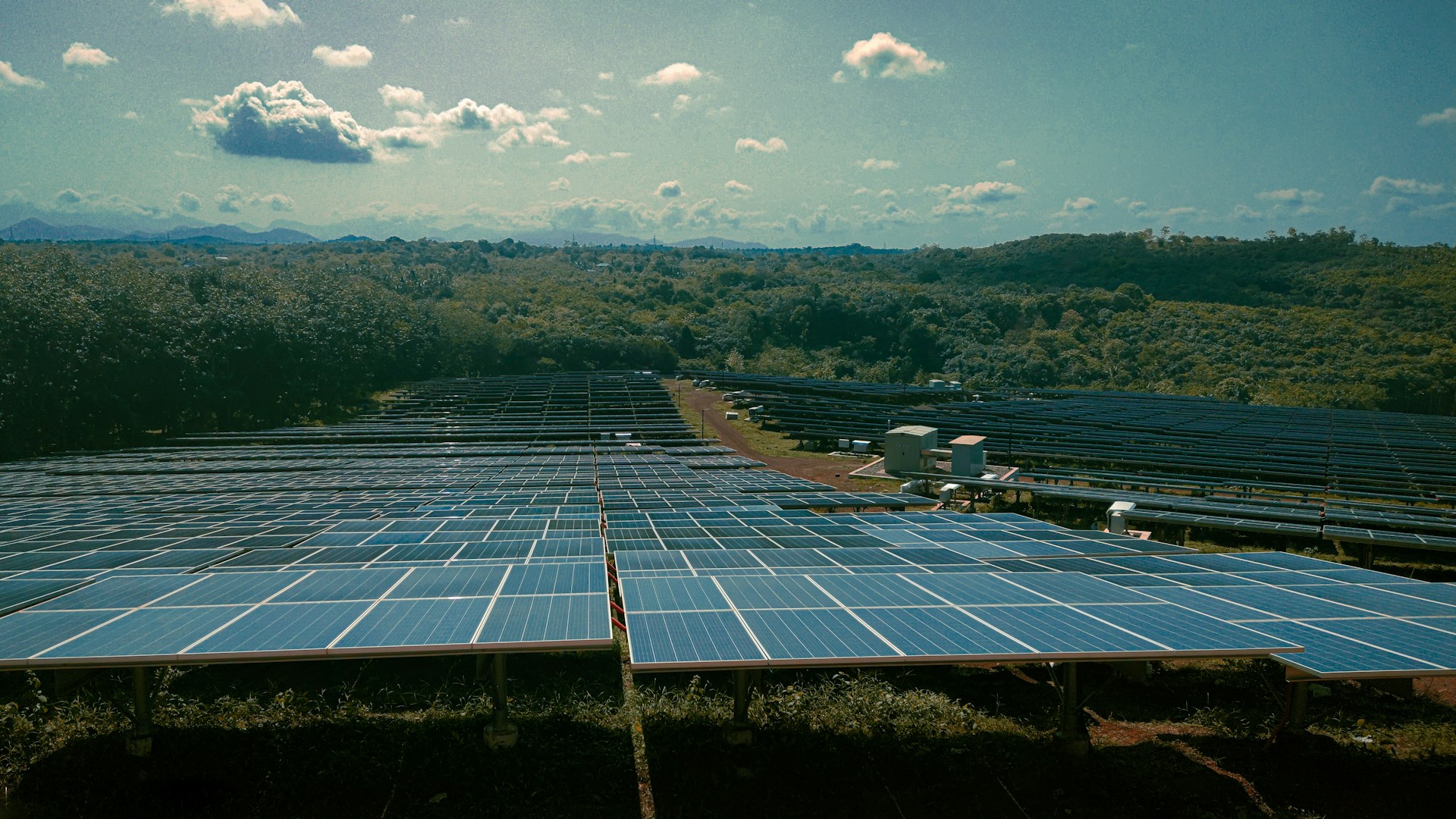
Up on the roof, the problems kept stacking. Jordan said the panels were visibly sagging, and that was after three attempts to level the system. A drone flying 110 m above showed the sun bouncing off the panels at different angles, like a disco ball, which showed how wonky they were.
Jordan also checked the panel specifications, which say you should not walk on the panels. He said the installers had been strolling around on every one of them.
Tom, an expert panel installer on Jordan’s team, gave a blunt opinion. “They haven’t put a single care into it,” he said. He saw connectors flapping in the wind instead of being clipped up off the roof, no end clamp on one rail, and clamps that appeared to sit outside the panel’s clamping zone. That, he said, would make the installation non-compliant straight away.
Told The System Was “Over 50 kW,” He Was Left Without Scheme Help
Luke says he did what a careful buyer does. He did research, paid by credit card, and checked that the company had reviews. Even so, he says, “You’ve got to trust these companies.”
So far, he says, he has paid 65K to the installer, with a large percentage still outstanding on final completion. When he turned to the MCS scheme, he says, he was told it was not really concerned because the system is above 50 kW. That left him with limited options, and he has now hired a solicitor to look at exiting the contract or pursuing the company.
He is not hopeful. Luke says the company will probably go under, and he says the installer told him it would not affect him personally if the company did. Jordan’s reaction: “What about the customers?”
A 515 W Panel Swap May Explain Why The Inverter Tripped
Jordan spotted something in the serial numbers. The original quote called for 500 W panels, but the installers supplied 515 W panels. He explained that higher-wattage panels can produce a higher voltage, and if the strings were planned for 500 W panels, the voltage can climb too high for the inverter.
That, he said, is probably why the inverter tripped out when one of the strings was connected. Re-stringing means more wiring, and it gets messy fast if installers are not careful. He also said the panels are not a premium brand.
His one hopeful tip: if Luke has paperwork from an insurance-backed warranty provider, it could be a “get out of jail free” card, because the provider could sort out the dispute with the installer. But Luke says he has not been sent any paperwork directly, and nothing about the deposit he was told was insurance backed.
Eight Joints In One Stretch Of Trunking And A Fire Risk Jordan Would Not Accept
Inside, Jordan opened a trunking cover and counted joint after joint. “1, 2, 3, 4, 5, 6, 7, 7 joints just here and then another one up there, that’s eight,” he said. He called it a rat’s nest and said the connectors looked like cheap ones.
Why does it matter? Jordan said every joint is a potential weak point, and with DC power, when it arcs, you cannot really stop it. The plastic connector can melt, and it sits in plastic trunking next to wood. He said he would rip out all of the DC cabling and put in new cables with no joints.
The earth rod was another surprise. The installers had drilled a hole through the concrete floor and whacked a rod through it. Jordan said they got a reading of 35.2 ohms, “which is either a complete lie or a miracle,” and he would put a proper rod outside.
Luke also says the packaging from battery and solar crates was left behind for him to dispose of, even though the quote promised a clean and tidy site.
The Good News: A Big System That Can Still Be Saved
Not everything was bad. Jordan said the system is a Sigen stack with 120 kWh of storage, the same as at his own headquarters, and it was generating 36.5 kilowatts when they checked. Luke says it has produced 17 megawatt hours since early June.
Jordan said it is a great system when it is designed and installed properly. The inverter is 100 kW, and a new 173 kVA supply is coming in, so he would add a gateway or fuse to limit the load. He also wants to connect the system to the new three-phase 250 amp supply so Luke can export power and get paid for it, instead of wasting solar once the batteries are full.
To protect Luke, Jordan kept his inspection non-invasive and did not remove covers, so the original installer could not claim the system had been tampered with.
How To Protect Yourself Before Hiring A Solar Installer
You do not need a farm to learn from this. Here are practical steps for any big home improvement job, based on what went wrong here.
- Ask for proof of any insurance-backed warranty or deposit protection, and check it yourself with the provider before paying.
- Find out which standards or schemes apply to your size of system, since some stop short of larger jobs.
- Ask whether a roof or structural survey is included, and get it in writing.
- Do not pay the final instalment until the system is complete, tested and the site is cleared.
- Keep photos and records, and consider an independent inspection if something feels wrong.
Luke says he did the research and still ended up here. Jordan says his team will make a video if they are called back to fix it.
More Stories You May Like
- Man Adopts His Neighbor’s House With A Blank Check, Spends Around $3,000 On Dumpsters, Then Learns A Truck Would Have Hauled It All For Around $500
- Inspector Walks Through A Brand New Home And Finds Two Showers That Are Not Watertight, Loose Window Trim And Debris Already In The Drain
- Brooklyn Tenants Say A Health Inspector Called Their Building Too Dangerous To Enter While Mice Roam Free And Their Landlord, No. 23 On NYC’s Worst Landlords List, Will Not Meet Them
Leave a Reply