You would think a builder knows a thing or two about water. So when new homeowners saw their backyard flooding and asked the builder about it, the answer they got was the one no one wants to hear: that is normal.
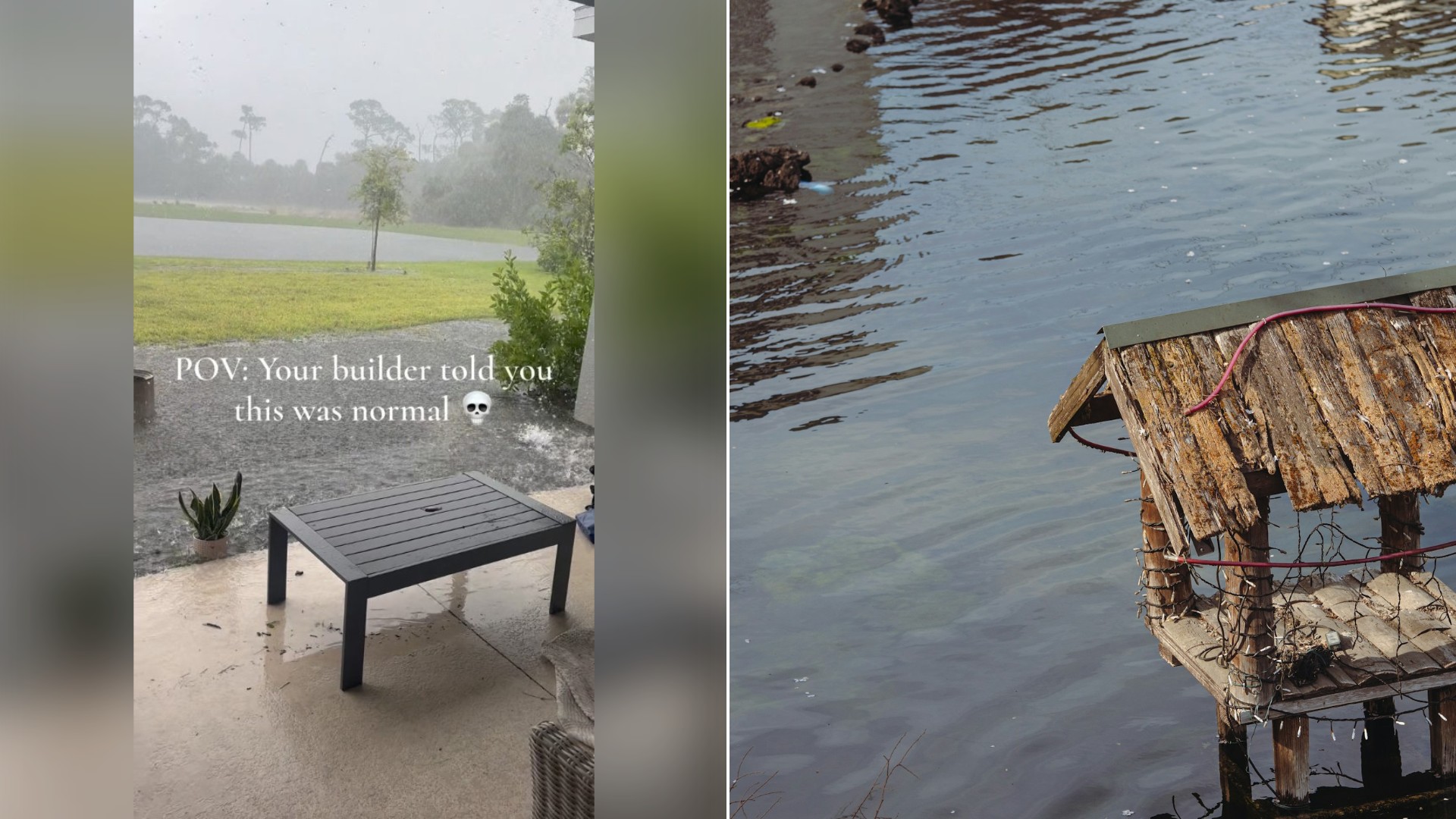
The couple did not accept that and started making changes themselves. Their story was shared on Instagram by @buildertovintage, who documented the backyard and the work that followed.
View this post on Instagram
The Builder Calls A Flooded Yard Normal
According to the post, the builder told the homeowners that the flooding in their backyard was normal. It is the kind of line many new homeowners hear, and it can sound reassuring when you are not sure what to look for.
But a yard that floods is not just an annoyance. Standing water can soak into the soil near the foundation, drown the lawn, breed mosquitoes and in the worst cases find its way into a basement or crawl space.
The homeowners decided they were not going to wait and hope. They started making changes themselves.
So The Homeowners Start Fixing It Themselves
Taking matters into your own hands makes sense when a problem is clear and the fix is within reach. Water follows gravity, and most drainage trouble in a yard comes down to a handful of causes that an owner can address.
That is the heart of the video. Instead of accepting a shrug, the owners treated the flooding as a puzzle with a solution.
Why New Yards Flood So Often
New construction lots tend to have trouble for a few common reasons. Heavy equipment compacts the soil during building, and compacted ground soaks up water slowly. Topsoil that was scraped away or stirred during construction may not drain the way an established yard does.
Grading matters too. A lot should slope away from the house so water runs toward the street or a drain. If a low spot formed because of settling, or the slope was never quite right, rain collects there and sits.
New landscaping also hasn’t had time to establish roots, which are what help soil absorb and hold water. In the first couple of years, a new lawn is more vulnerable to puddling and erosion.
Simple Fixes That Homeowners Often Try
There is a range of fixes, from cheap to more involved. Here is what experienced do-it-yourselfers usually look at first.
- Check the gutters and downspouts. Extend downspouts at least five to ten feet away from the house so roof water does not pool near the foundation.
- Regrade low spots. Adding compacted fill dirt to create a gentle slope away from the house can send water in the right direction.
- Aerate the lawn. Pulling plugs of soil lets water soak in and helps roots grow deeper.
- Dig a swale. A shallow, grassy channel can guide runoff around the house and out to a safe spot.
- Install a French drain. A trench lined with fabric, filled with gravel and carrying a perforated pipe collects groundwater and moves it away.
- Build a rain garden. Native plants in a low area drink up runoff and look good doing it.
Start with the easy and cheap steps. Sometimes a longer downspout and a little dirt are enough to change how the whole yard behaves.
Before You Dig, Do These Things
Safety comes first. Call 811 a few days before any serious digging so the utility companies can mark buried lines. It is free, and hitting a gas or electric line is dangerous and costly.
Next, watch where the water goes during a heavy rain. Grab an umbrella, walk the yard and see where it gathers, where it runs and where it vanishes. That tells you more than any guess.
Take photos and keep notes, with dates. If the flooding is serious or close to the foundation, you will want a record when you talk to the builder, your insurer or a local contractor.
Know Your Warranty And Your Rights
Many new homes come with a builder warranty, and some cover drainage and grading for a set period, often one year for workmanship. Terms vary widely, so read your paperwork carefully.
If the builder tells you something is normal and you disagree, put your concern in writing by email or letter. A written record is much stronger than a conversation, and it keeps you inside any deadlines in the warranty.
You can also ask a local grading or drainage contractor for an estimate, or hire an independent home inspector to take a look. A second opinion costs little compared with water damage.
The Bottom Line
Keep in mind that every yard is different, and what works for one lot may not suit another. Soil type, slope and the neighbors’ drainage all play a part, so go step by step and check the results after the next big rain.
A flooded backyard is a problem you can often solve with patience, a shovel and a plan. This couple heard that the flooding was normal, trusted their own eyes and started working on it.
If your yard fills up after every storm, do the same. Watch the water, fix the easy things first and keep the builder in the loop with a paper trail. Your lawn and your foundation will thank you.
More Stories You May Like
- Homeowners Say A Charismatic Renovator Collected Big Deposits, Gutted Their Homes To The Studs And Left Subcontractors Unpaid, And Court Records Show Nearly 70 Lawsuits Even After The State Suspended His Registration
- About 100 Homeowners Near The Hollywood Sign Sue The City Over Selfie Crowds Blocking Their Driveways, And Traffic Data Shows 48,200 Vehicles Passed Through In Just 13 Days
- Couple Pays A Builder $305,033.57 For Their Dream Home, Then Says Some Invoices Were Fraudulent And The Job Was Left Unfinished With Leaks And Mold, And The State Supreme Court Revives Their Lawsuit
Leave a Reply