Building a custom home is supposed to be the biggest, happiest project of a lifetime. For an Idaho couple, John and Cheryl Kumm, it turned into a court fight, and on November 12, 2026, the Idaho Supreme Court handed them a second chance to make their case.
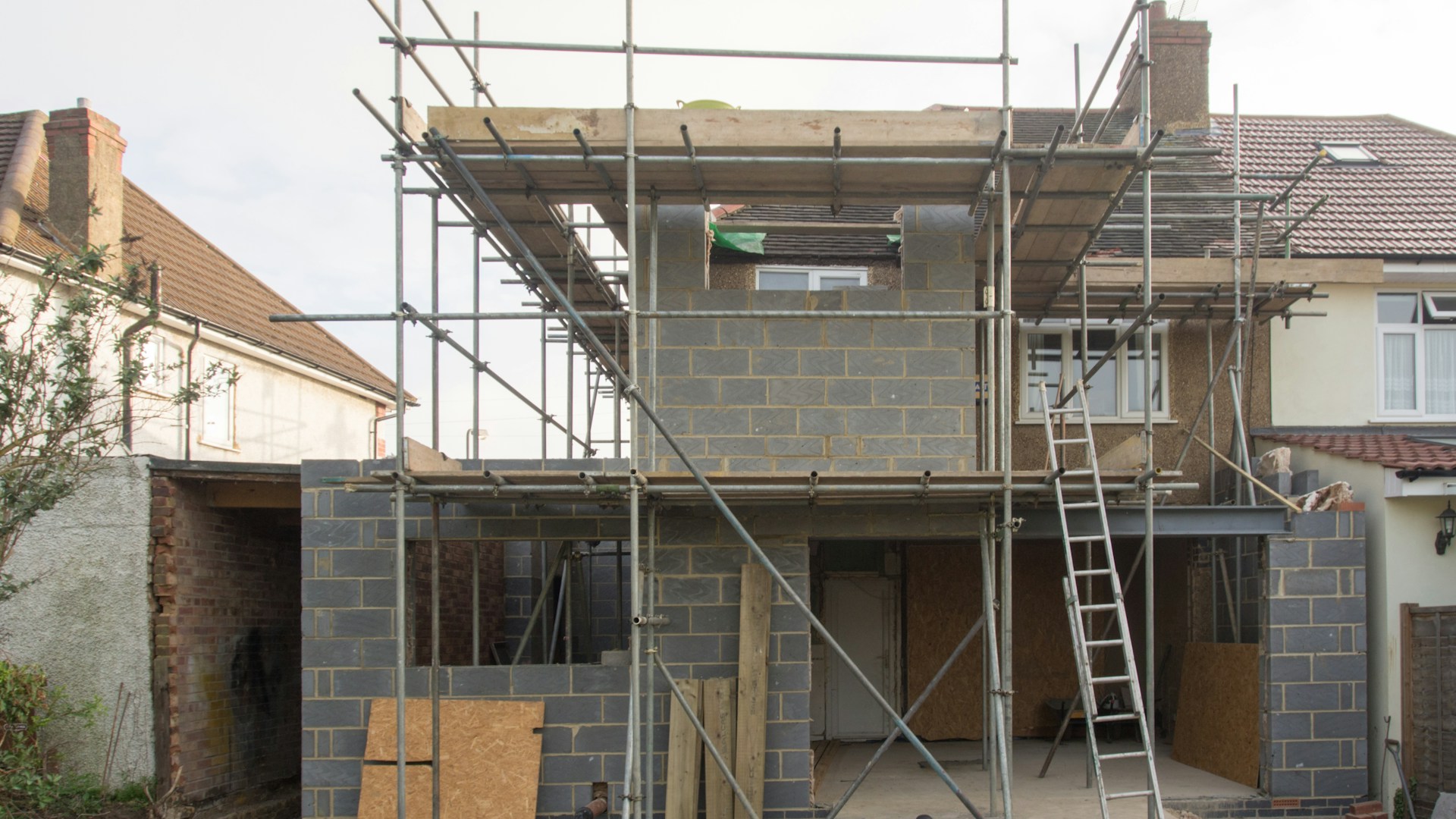
According to the written opinion in Kumm v. Work Shops & Sons, the couple paid a construction company a total of $305,033.57 between August 2021 and January 2022. They now say they were left with leaks, mold and a house that was not finished.
Couple Says They Paid $305,033.57 And Got Leaks, Mold And Unfinished Work
The Kumms hired The Work Shop & Sons Ltd, a construction company owned by Kyle and Jessica Cromer, to build a home on their property in Clearwater County. They paid through several invoices over about five months.
According to the court summary, problems piled up during construction. The homeowners cite water leaking beneath the foundation, mold in the subfloor, improper grading, unfinished work, and a house left exposed to the elements over the winter.
They also allege that some invoices were fraudulent because the company billed for work it had not started. In April 2024, the couple got an independent estimate that put the cost of repairing and finishing the home at $331,034.30. That is more than the roughly $305,000 they had already paid.
The couple sued for breach of contract, breach of the implied warranty of merchantability, and what the filings call fraudulent, wrongful and malicious billing. They also tried to hold the company’s owners personally responsible.
The Company Says The Payments Were Advances And Blames The Homeowners
The company denies the allegations. It says the payments were advances that its agreement with the couple allowed.
It also filed counterclaims. It argues the homeowners kept it from completing the project, ended the agreement without justification, and breached the duty of good faith and fair dealing. The company says it was willing to finish the home but could not return to the property after disagreements over inspections and repair work.
Everything about the quality of the work and the billing is an allegation at this stage. The Supreme Court did not decide who is right on any of those points.
An Expired Registration Became The Whole Case
What decided this appeal was not a leak or an invoice. It was paperwork. Idaho’s Contractor Registration Act requires contractors to be registered, and The Work Shop’s registration expired on April 11, 2021.
That was about 100 days before it signed the agreement with the Kumms in the summer of 2021, according to a description of the opinion. The company says it let the registration lapse by mistake because it failed to pay its annual administrative fee. It was reinstated on October 22, 2021, roughly three months after the contract was signed.
The company acknowledges it was not registered when it signed. It argues it still substantially complied with the law because it kept other requirements in place, including liability insurance and workers’ compensation coverage.
A Lower Court Said The Contract Was Void, Shutting The Homeowners Out Too
Under the Act, an unregistered contractor cannot file a lawsuit to collect payment for covered work. The district court first used that rule to dismiss the company’s counterclaims.
Then it went a step further. It granted summary judgment to the company on the homeowners’ claims, ruling that because of the lapse the contract was void and could not be enforced by either side. That barred the couple’s claims for breach of contract and fraudulent billing.
In other words, the same rule that stopped the contractor from suing ended up closing the courthouse door on the homeowners, too.
Supreme Court: A Contractor Cannot Use The Contract, But The Homeowner Can
The justices reviewed the summary judgment from scratch and reached a different answer. The court held that the Act prohibits an unregistered contractor from enforcing a contract, but it does not stop the innocent project owner from doing so.
Contracts made in violation of the Act, the court said, are voidable, not void. That means they stay enforceable at the option of the project owner. In plain terms, the contractor cannot use the agreement to demand payment in court, but the homeowner can choose to enforce it and seek remedies.
The court reasoned that reading the law the other way could leave homeowners harmed by unregistered contractors with no contract remedy. That, it said, would undermine the law’s purpose of protecting the public. The justices reversed the dismissal of the couple’s breach of contract claim and sent the case back for further proceedings.
What The Ruling Did Not Decide
This is not a win on the merits for the Kumms. The justices did not find that the company caused the alleged defects or that any invoice was fraudulent. Those questions go back to the lower court.
According to a description of the ruling, the court also declined to consider the couple’s implied warranty claim and their effort to reach the owners personally, because the couple had not adequately argued those points on appeal. The court denied attorney fees, and costs were awarded to the prevailing party.
The homeowners still have to prove their claims, and the company can still defend itself on the facts.
What Idaho Homeowners Should Take From This
The ruling sets out a clear rule in Idaho: a contractor who is not registered when a contract is signed cannot use that contract to sue for payment, but the homeowner keeps the choice to enforce it. For the contractor, a lapse can be costly.
For anyone building or remodeling, the lesson is simple. Contractor registration is a legal requirement, and checking a contractor’s status before you sign is a basic step. It takes a few minutes and costs nothing.
A few other habits are worth adopting on any big build:
- Ask for proof of liability insurance and workers’ compensation coverage, and confirm it is current.
- Compare each invoice against the work actually completed on site before you pay it.
- Keep copies of every invoice, inspection report and written communication.
- Get an independent estimate early if you suspect trouble, as the Kumms did.
The Kumms’ case is far from over, but the Supreme Court has made sure it will be heard. For homeowners everywhere, it is a reminder that the paperwork you check before the first shovel hits the ground can matter just as much as the work that follows.
More Stories You May Like
- Homeowner With About 60,000 Synchronized Christmas Lights Is Fined $100 And Sues His HOA After It Rejected His Offer To Run At 30% Brightness
- Homeowner Explains Why Buying In An HOA Neighborhood Means Mandatory Dues And Rules Plus A $150 Ticket For Long Grass, And Says He Would Never Live In One
- Homeowner Quoted $100,000 To Restore The Wood In Her 1888 Victorian Strips It Herself And Says $200 In Materials Made It Worth Every Mistake
Leave a Reply