
Renting to a tenant who uses a housing voucher can be steady and rewarding. It can also bring a landlord face to face with a hard question. What do you do when the tenant simply stops paying her share? A TikTok from @morgan_cecce tells the story of a Section 8 landlord whose tenant skipped two months of rent.
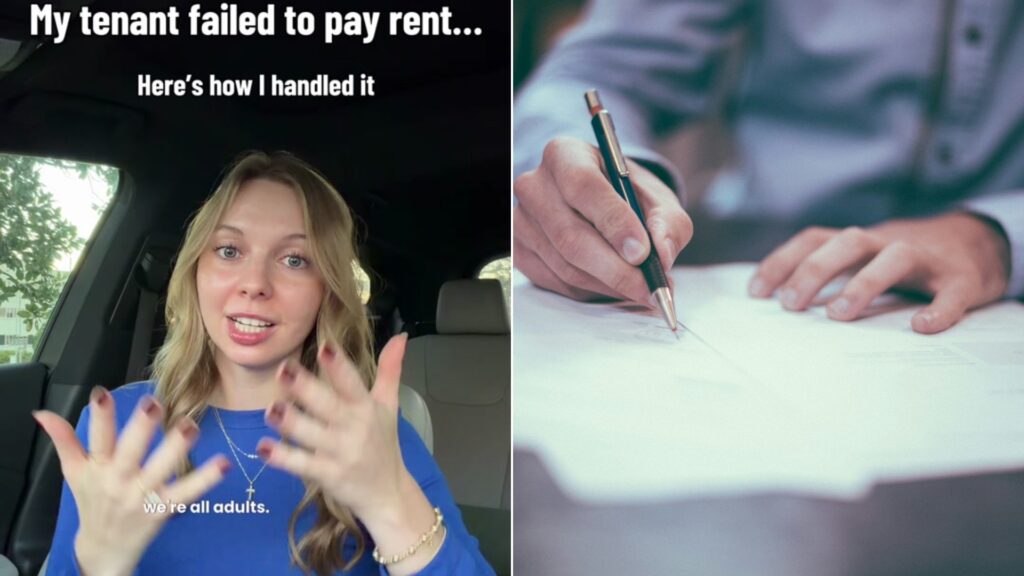
The landlord called the housing authority. Then she wrote a mini contract that required the tenant to pay the money back.
@morgan_cecce
Two Months Of Missed Rent And One Phone Call
The first move was a phone call to the housing authority. That is the right place to start in a voucher arrangement, because the housing authority is a party to the deal. Under the Housing Choice Voucher program, often called Section 8, the housing authority pays a portion of the rent straight to the landlord, and the tenant pays the rest.
When a tenant stops paying her portion, the landlord is not stuck holding the problem alone. The housing authority has rules about tenant obligations, and a pattern of unpaid rent can put a family’s voucher at risk.
That gives the landlord a stronger hand than she might expect. It also gives the tenant a very good reason to take the problem seriously.
Then Came The Mini Contract
After the call, the landlord took a practical step. She wrote a mini contract that makes the tenant pay back what she owes.
A payment agreement is a common, sensible tool between landlords and tenants who want to avoid court. It puts the amount owed, the repayment schedule and the date each payment is due in writing, and both sides sign and keep a copy.
The value of putting it on paper is clarity. Without it, a verbal promise to catch up can drift, and memories differ about what was said. With it, everyone knows the plan.
What Makes A Payment Agreement Hold Up
If you are a landlord thinking about a similar step, a few details make an agreement more useful.
- State the exact amount owed and how it was calculated, month by month.
- List each payment date and amount, so there is nothing to interpret.
- Make clear that the regular monthly rent must also be paid on time during the repayment period.
- Describe what happens if a payment is missed, such as moving ahead with the lease process the law allows.
- Have both parties sign and date, and give the tenant a copy.
Rules about what a landlord can include differ by state and by housing authority, so it helps to check local requirements. A lawyer who handles landlord and tenant matters can review a template for a modest fee.
Keep The Housing Authority In The Loop
In a voucher arrangement, the landlord signs a contract with the housing authority in addition to the lease with the tenant. That means the housing authority needs to know about problems, and its staff can explain what is allowed.
Many housing authorities have caseworkers who can speak with a tenant about her responsibilities. Some can point her to local assistance programs, which sometimes help with back rent. That can be a better outcome for everyone than an eviction, which costs landlords months of lost income and court fees.
Calling early is the key. A landlord who waits until the unpaid balance has piled up for half a year has fewer options than one who calls after a couple of months.
Record Everything
Paper trails win disputes. Landlords should keep copies of the lease, the housing authority contract, rent ledgers, payment records, texts and emails, and notes of phone calls with dates and names.
If a case ever reaches court, a judge wants to see a clean timeline. Showing that you contacted the housing authority, offered a written plan and kept careful records makes you look like a reasonable, fair landlord.
Just as important, never try to force a tenant out on your own. Changing locks, shutting off utilities or removing belongings is illegal almost everywhere. If things escalate, the legal eviction process is the only safe route.
Screening And Communication Prevent The Next Problem
Good landlords reduce risk before a lease begins, with clear lease terms, a written explanation of when rent is due and what happens when it is late. Many also remind tenants a few days before the due date, which is a simple way to head off honest mistakes.
With voucher tenants, a landlord should also learn how the housing authority handles inspections and paperwork, since a missed step can delay payments on its side as well.
Clear communication from the first day makes difficult conversations easier when they come.
Fairness Works Both Ways
Tenants have responsibilities, but they also have rights, and the best landlords treat them with respect. A calm conversation about why rent was missed can reveal a job loss, a medical bill or a mix-up with the paperwork. Sometimes a reasonable plan gets a landlord her money and keeps a good tenant in place.
The landlord in this TikTok chose a middle path. She called the authority responsible for the program, then wrote a clear plan for repayment, instead of jumping straight to a fight.
For landlords who find themselves in the same spot, the lesson is to act early, put everything in writing and use the tools the voucher program provides.
More Stories You May Like
- Woman Buys A Second $300 Skeleton Horse For Her Christmas Yard, Then A Neighbor’s Letter Calls It Halloween Junk And Ends With My Name Is Not Karen, So She Fires Back You Just Earned That Name
- Homeowner Keeps Asking Their Pool Contractor For Proof Of A Building Permit, Gets A Forged One After Months Of Questions, And The Contractor And His Company Now Plead Guilty
- HOA Tells Elderly Neighbor To Re-Sod Her Yard For Thousands, So He Scalps The Weeds And Tests The Soil Himself To Get The HOA Off Her Back
Leave a Reply