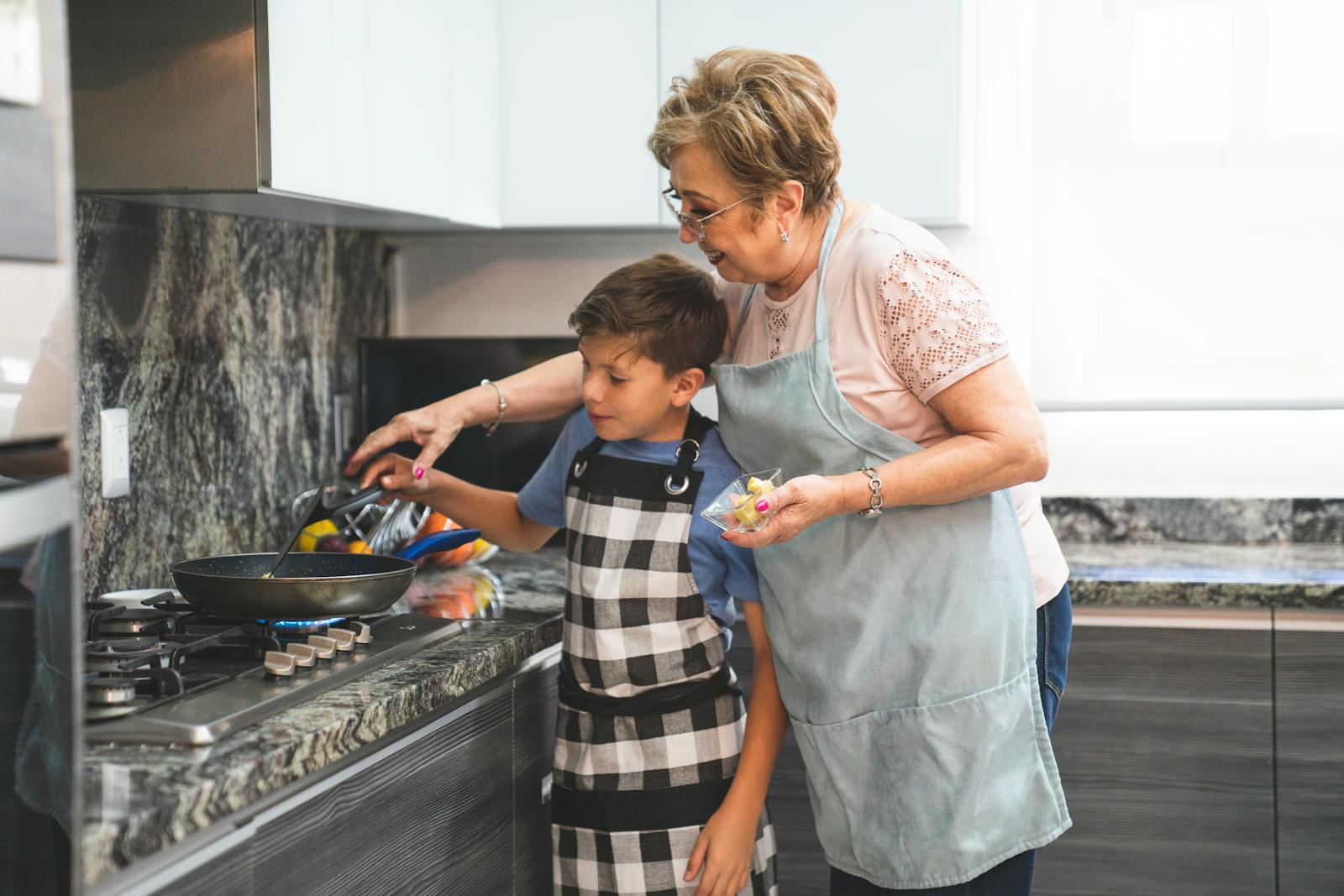
In the cozy corner of a kitchen filled with the warm aroma of baking bread and the sounds of nostalgic laughter, a gentle tug-of-war often unfolds between tradition and modern sensibilities. This was precisely the battleground for one grandkid, who found themselves at the intersection of grandma’s cherished recipe card and an unexpected culinary disaster. What initially seemed like a simple task of cooking dinner quickly turned into a lighthearted saga of misunderstanding, compliance, and a pinch of irony.
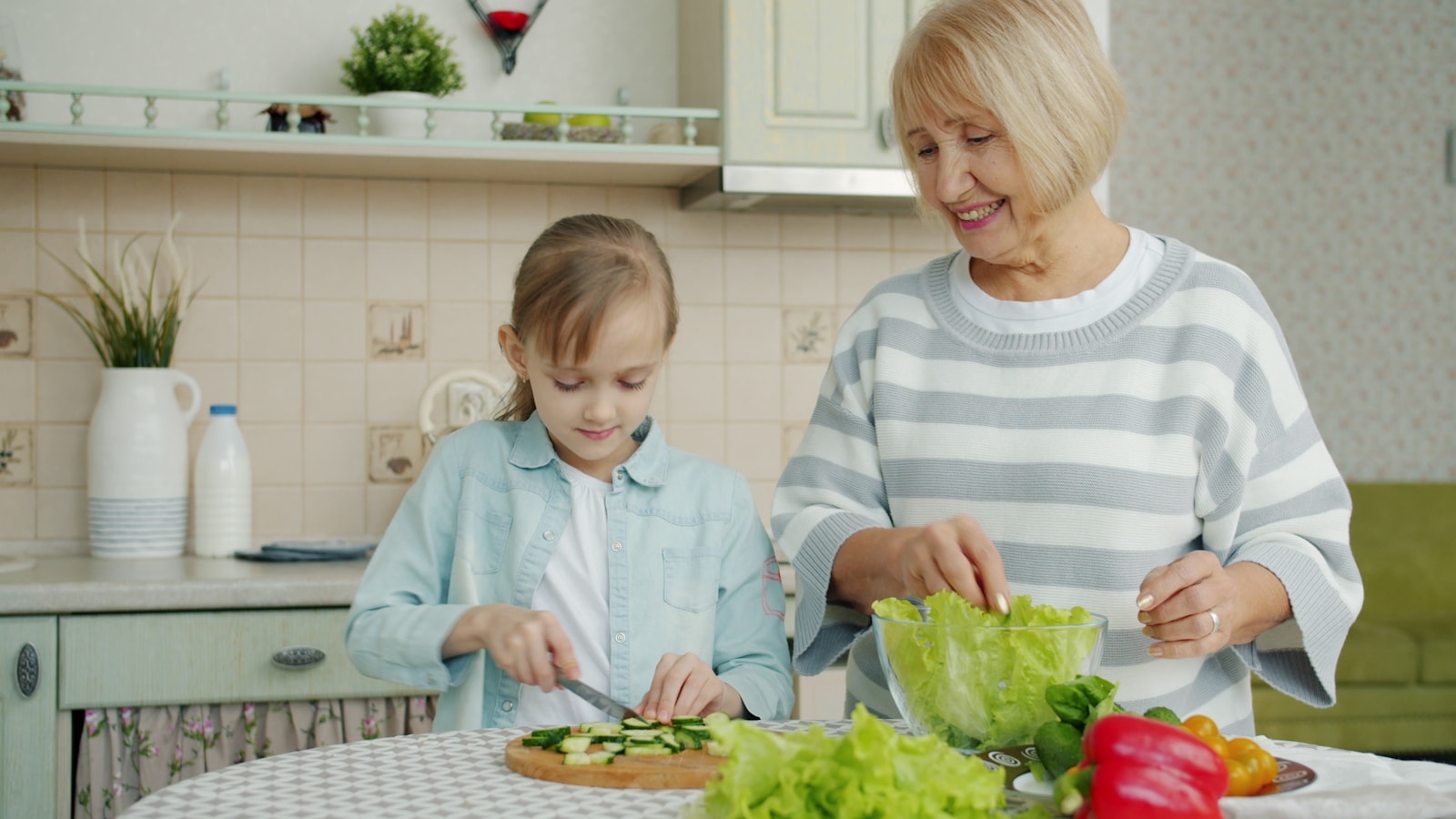
Picture the scene: a sun-drenched afternoon at grandma’s house, where the walls echo with family stories and the kitchen is a treasure trove of handmade recipe cards. Each card bears the loving scrawl of the matriarch, filled with notes that span decades. One such card contained the instructions for a beloved family dish—a savory stew that had graced the dinner table countless times. Grandma, with her no-nonsense attitude, handed the card to her grandkid and made one thing perfectly clear: “Follow the recipe exactly.”
It’s a common culinary scenario: the age-old struggle between following a family recipe to the letter or making slight adjustments based on personal taste. As many home cooks know, seasoning can make or break a dish, and salt, in particular, is one of those tricky ingredients that can shift a meal from mediocre to memorable—or, in this case, inedible. Despite their better instincts nudging them to reconsider, the grandkid dutifully measured out the full tablespoon of salt as instructed. It looked like a lot—perhaps too much—but the promise of adhering to grandma’s wishes loomed larger than their reservations.
After the last stir, the stew was finally ready. As it simmered, the anticipation grew. The comforting sounds of bowls clinking and chairs scraping against the floor filled the air. With great enthusiasm, the family gathered at the table, eager to dive into the warm, nourishing meal. But moments after the first spoonful was taken, the atmosphere shifted. No one expected the explosion of saltiness that greeted their taste buds. The meal, which should have been a heartwarming experience, became an awkward moment of silence, punctuated only by the occasional cough or grimace.
Grandma, after a tentative bite, paused mid-chew, her eyes darting between the card and her grandkid. “Well,” she exclaimed, flicking her gaze back at them, “you’re supposed to use your head too.” The grandkid, taken aback by this sudden blame, simply replied, “I just followed the recipe!” What ensued was a blend of bewilderment and laughter, as they both realized the absurdity of the situation. The grandkid had complied perfectly with grandma’s directive, yet the results were anything but celebratory.
From that moment on, grandma seemed to have an epiphany. Perhaps rigidly following the recipe wasn’t always the answer. A newfound flexibility emerged, and the next cooking adventure allowed for creativity—cooking by taste instead. This small shift not only saved future dinners but also opened the door for enjoyable culinary experiments, where their kitchen became a playground of flavors and textures rather than a battleground of rules and restrictions.
This light-hearted tale resonates with countless families who share similar experiences in the kitchen, where tradition meets innovation. It’s not just about the food; it’s about connection, learning, and laughter that arise when things don’t go quite as planned. In homes across the country, grandmas and grandkids alike are navigating their own culinary journeys, filled with lessons that often stem from missteps rather than perfection.
As the grandkid learned, cooking with a loved one often leads to unexpected adventures—sometimes the most memorable meals are those born from chaos rather than precision. And as future gatherings unfold, whether it’s a pinch more salt or an extra dash of spice, the real success lies in the shared moments around the table, laughter echoing amidst the delightful chaos of a family kitchen.
More from Willow and Hearth:
Leave a Reply