
In an interesting turn of events in a second-semester Physics II class, a group of first-year undergraduate students found themselves in a peculiar situation when their professor imposed a strict citation requirement on their assignments. This amusing incident, which took place several years ago, highlights the unintended consequences of demanding excessive academic rigor.
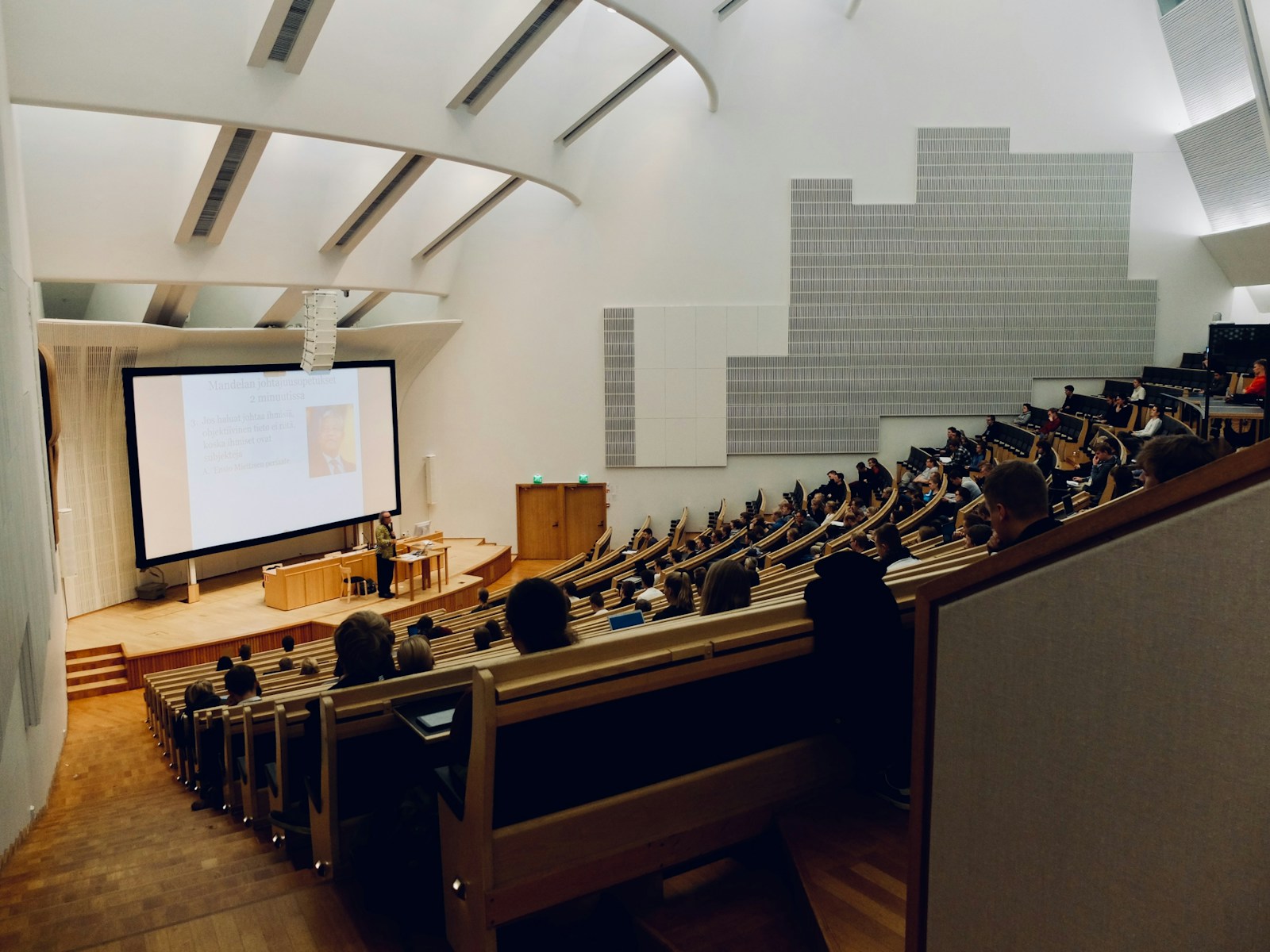
In the midst of a 32-student class focused on wave mechanics and optics, the atmosphere was filled with a mix of enthusiasm and dread as they approached their first homework assignment. Upon receiving their results, the professor addressed the class, emphasizing the importance of academic honesty and proper citation. He stated, “When you do academic work, you have to cite your sources. You can’t just write things down as true without providing a source.” The requirement soon extended beyond simple acknowledgment; students were instructed to cite every equation and assumption they included in their solutions. The class was left in stunned silence, and soon, murmurs of disbelief filled the room.
Though the initial reaction was one of annoyance, the students rallied together to comply with the newfound regulations. Fueled by a mix of competitiveness and camaraderie, they decided to go above and beyond the professor’s expectations. MLA format soon became the standard, and students took to heart the task of citing every single equation and assumption they referenced in their assignments. What started as a manageable 3-5 pages of homework quickly ballooned to 15 pages, filled with detailed citations and explanations of each source’s relevance.
Amidst this transformation, one student, often referred to as ‘Dave’ in the subsequent recounts of the story, emerged as a leader among his peers. The group joked about how they would show the professor just how serious they were about this new rule. The professor, initially unaware that his requirement would lead to such an overflow of work, was met with a mountain of assignments following the submission of the third homework set. The sight of this enormous stack caused him to drop his head in defeat—a moment that became legendary among the students.
Without a teaching assistant to help grade the lengthy assignments, the professor quickly realized the impracticality of his demands. Yet, instead of feeling discouraged, the students found humor in the situation. The class eagerly anticipated the professor’s response to their next submission, knowing they had collectively stuck to their guns. Their determination and commitment led to a lighter atmosphere in the classroom, as students shared laughs over their lengthy submissions.
After the third assignment, the professor finally relented. He proposed a new solution: students would no longer be required to cite sources for every single equation or assumption. Instead, a single paragraph at the end of their assignments summarizing their sources would suffice. This compromise not only lightened the grading load for the professor but allowed the students to demonstrate their understanding of the material without drowning in paperwork.
While the intended purpose of the citation rule was to instill a sense of academic integrity and rigor, the outcome was a humorous example of how a well-meaning professor can inadvertently spark a wave of unanticipated compliance. The students left that semester with a fond memory of their time in Physics II, a shared experience that would be recounted in future gatherings and reunions.
As they moved on to higher-level courses, many of the students fondly recalled how they banded together to meet an absurd challenge. The professor, on the other hand, perhaps learned a valuable lesson in balancing academic expectations with the realities of student workload. In the end, it was the shared experience and laughter that created lasting bonds among a diverse group of students navigating the sometimes daunting world of academia.
More from Willow and Hearth:
Leave a Reply