The poster, living under the same roof as their narcissistic father, has found themselves grappling with an unexpected and unsettling phenomenon: vivid, often distressing dreams about their dad. Since the start of 2026, these nightmarish episodes have increased in frequency, revealing the complexities of their waking life and emotional struggles. Despite attempting to enjoy calm, relaxed evenings, these dreams arise without warning, suggesting a deeper inner turmoil that hints at unresolved conflicts and the lingering impact of their father’s behavior.

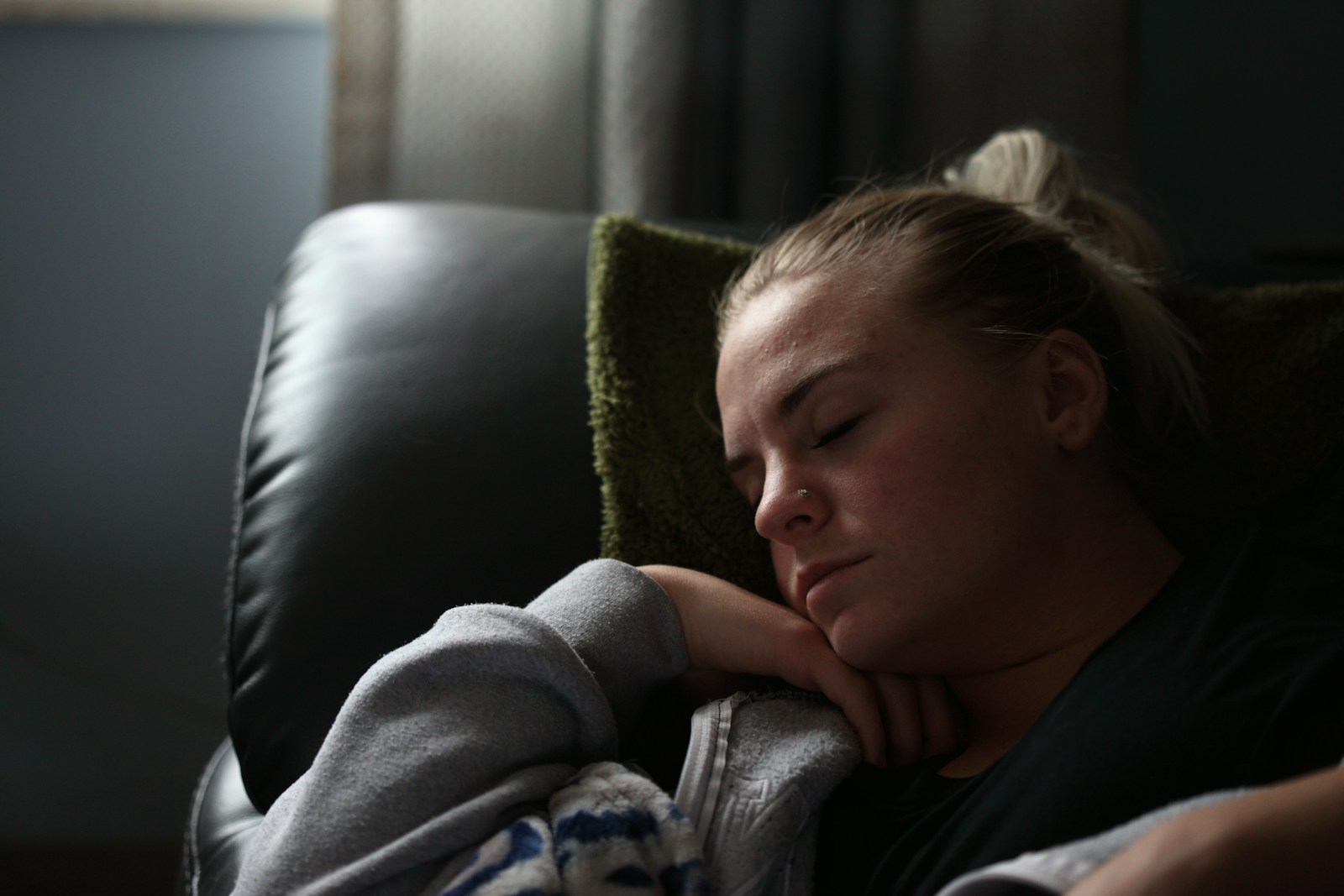
Photo by Roxana Zerni on Unsplash
Living with a narcissistic parent is a challenge that can influence every aspect of life, from daily interactions to the subconscious. The tenant explains, “I thought I would get those dreams when I am stressed or depressed, but I got one yesterday even though I was quite relaxed the previous night.” This paradox leaves them questioning the nature of their dreams and their connection to the emotional landscape they navigate daily. Instead of being relegated to moments of anxiety or tension, these night terrors manifest even in moments of tranquility, complicating their understanding of their relationship with their father.
The dreams themselves are harsh, although the details remain hazy in the poster’s recollection. Yet, the impact is clear: they awaken with feelings of dread and anxiety, only further intensifying the emotional weight of living alongside someone who exudes narcissistic traits. The unpredictability of the dreams leaves the poster feeling trapped, as every night could bring forth a new echo of their father’s influence, whether they are awake to the turmoil or not.
As these nighttime episodes become more frequent, the struggle to find a reprieve from the emotional toll of their reality grows more complex. The poster’s attempt to carve out moments of relaxation—perhaps a quiet dinner or time spent on a hobby—seems futile when their subconscious does not allow them a moment’s peace, drawing them back into the intricate web of familial expectations and past grievances. This tension casts a looming shadow over what should be the comfort of home.
Readers who engaged with the poster’s story resonated with the feelings of confusion and distress. Many shared similar experiences with their own narcissistic parents, reflecting on how emotional scars can seep into dreams and disrupt the simplest moments of peace. A common thread among the responses was the surprise at how emotional triggers can arise unexpectedly, seeming to bypass any conscious awareness of stress. This sentiment embodies a shared understanding of the complexities surrounding family dynamics, especially when those involved exhibit narcissistic behaviors.
Some commenters expressed sympathy toward the poster’s situation, relating their own nightmares that featured family members who contributed to their own feelings of inadequacy and distress. They articulated how these dreams could conjure memories that were perhaps buried in their conscious minds, only to resurface in hauntingly vivid ways. The lack of control over their dreams was a frequent topic of discussion, with several noting that they, too, experienced the disconcerting feeling of their subconscious confronting unresolved family issues.
In a community where shared experiences provide solace, the poster’s story contributes to a growing dialogue about the enduring effects of narcissistic parenting. As they navigate this challenging chapter of their life, the emotional weight of living with their father—combined with the eerie presence of nightmares—paints a complex picture of anxiety and the struggle for inner peace. The poster’s journey opens a window into the often unseen battles many face, blending the realms of waking life and dreams into an intricate tapestry of emotional conflict.
More from Willow and Hearth:
Leave a Reply