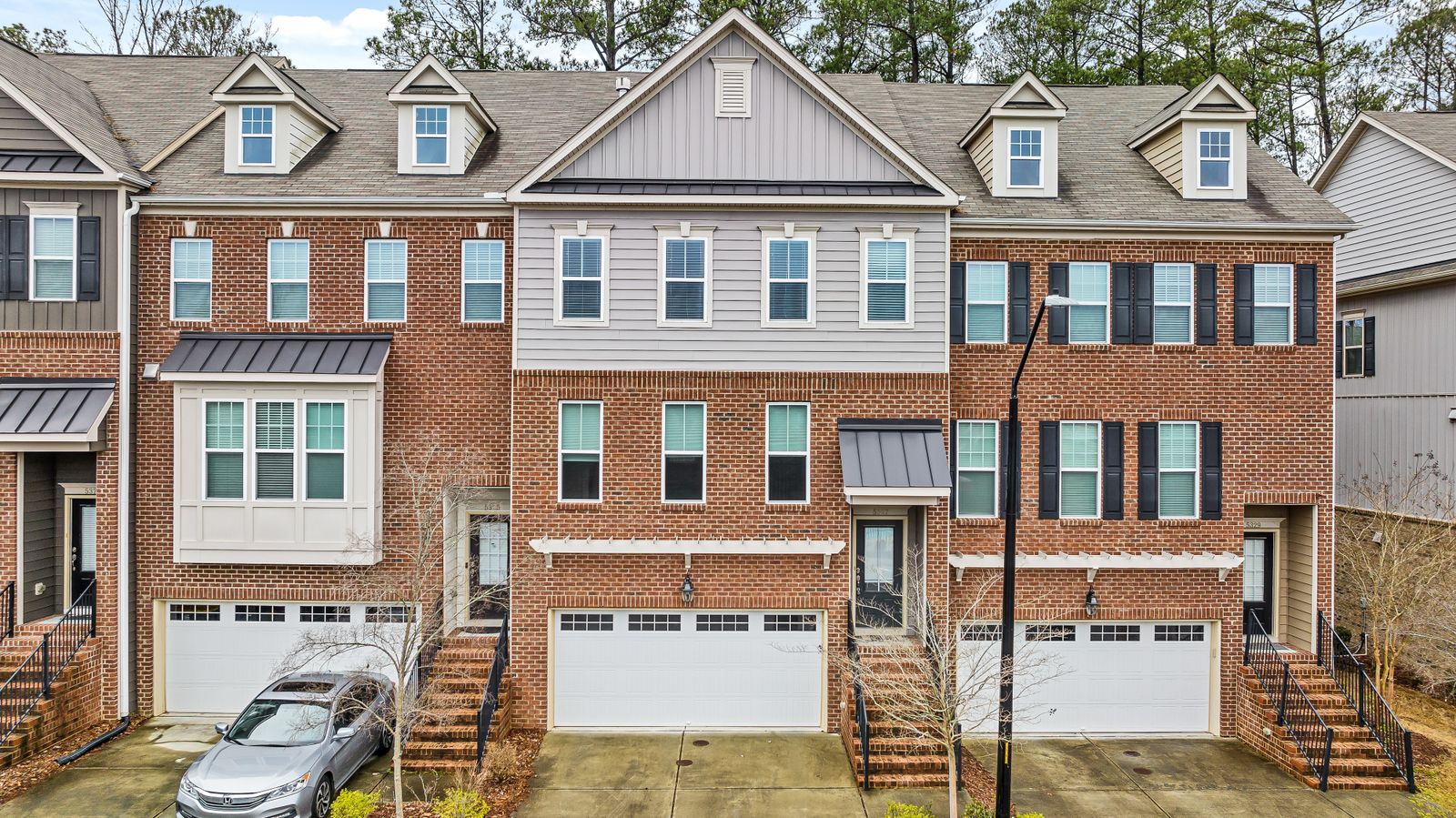
In New Carlisle, Indiana, a farm town of roughly 1,700 people outside South Bend, homes within a mile and a half of Amazon’s data center campus have gained 49% in value since 2021, outpacing the 32% increase across the rest of St. Joseph County, according to an Integra Realty Resources study reported by Indiana public radio station WVPE. Nearly 1,900 miles west, in Morrow County, Oregon, homeowners near a different Amazon Web Services complex have watched the opposite happen: local values there are down 24%, an average loss of $107,500 per home, over roughly two years, according to an analysis of national home-listing data published by 24/7 Wall St.
Those two towns sit at opposite ends of a pattern the National Association of Realtors tried to measure nationwide for the first time this week. On September 9, NAR published its 2026 Data Center Impact Report, matching the location of roughly 1,474 U.S. data centers against home-value and income data across more than 3,200 counties. The headline finding: counties with 10 or more data centers carry a median home value of $431,750, versus $174,500 in counties with none, and those high-concentration counties saw home values climb 95% over the past decade compared with 64% elsewhere, per NAR’s own newsroom release.
What the Realtors’ Own Numbers Show
- Counties with 10-plus data centers have a median home value of $431,750 and 95% ten-year appreciation, versus $174,500 and 64% growth in counties with zero, according to NAR’s report.
- Just 1% of counties nationwide host 10 or more data centers; the top 10 counties, led by Loudoun County, Virginia, hold 42% of the country’s total, per the same report, as first covered by HousingWire.
- In NAR’s survey of REALTORS® working in data-center markets, 25% said the facilities had a positive effect on nearby home values and 22% said the effect was negative, according to Inman’s reporting on the same release.
- Residential electricity rates rose 21.4% between 2020 and 2024 in heavy-data-center counties, versus 15.7% in counties without any, per NAR’s report.
NAR chief economist Lawrence Yun was blunt about what the county-level numbers do and don’t prove. “There is no single data center effect. Instead, the story varies significantly depending on the local market,” Yun said in NAR’s release. He added that the report’s own researchers “do not see evidence of weaker housing markets in counties with a large data center presence” — but also cautioned that counties like Loudoun and Santa Clara, California, were already wealthy, highly educated tech hubs before the current data center boom, so the sky-high values there may reflect the kind of place that attracts both server farms and six-figure salaries, not the servers themselves.

Same Industry, Very Different Neighbors
The gap shows up even within a single company’s own footprint. Amazon’s presence pushed home values up faster than the county average in New Carlisle, but the Integra Realty Resources study found the opposite at three of the four other Indiana data center sites it examined — homes near facilities run by Microsoft, Google and Meta in LaPorte, Fort Wayne and Jeffersonville all gained less than their surrounding counties, even though every site still saw prices rise, per WVPE’s reporting on the study.
Anxiety is running ahead of any of the data in places where a project hasn’t broken ground yet. On the south side of Indianapolis, residents of Decatur Township including Ashley Hooley and Randy Poynter have organized against a data center proposed by developer Sabey, worried the facility will do to their neighborhood what critics say has already happened elsewhere — this despite the company’s own hired consultant concluding the surrounding homes would not be affected in a substantially adverse way, according to Indiana Public Media. That gap between what the paperwork projects and what neighbors believe is exactly the gap NAR’s report is now trying to close with county-level data instead of anecdotes.
The Cost Side Nobody’s Marketing
Rising home equity is only half of what NAR’s survey turned up. Client concerns tracked closely with utility bills: 61% of REALTORS® in data-center markets said clients worry about energy costs, and 56% cited water use, according to NAR’s release. Those worries have a paper trail. The report’s own electricity figures show rates climbing faster almost everywhere between 2020 and 2024 — just noticeably faster in the counties absorbing the most server capacity.
None of that is slowing the buildout. NAR counted 1,474 identified data centers already sitting across 251 counties, concentrated overwhelmingly around Northern Virginia, Silicon Valley, central Ohio, Phoenix and central Washington — meaning 92% of U.S. counties still have none at all. For now, whether the next facility becomes a New Carlisle or a Morrow County looks less like a formula real estate agents can hand a nervous seller and more like a bet decided one county, and sometimes one subdivision, at a time.
Leave a Reply