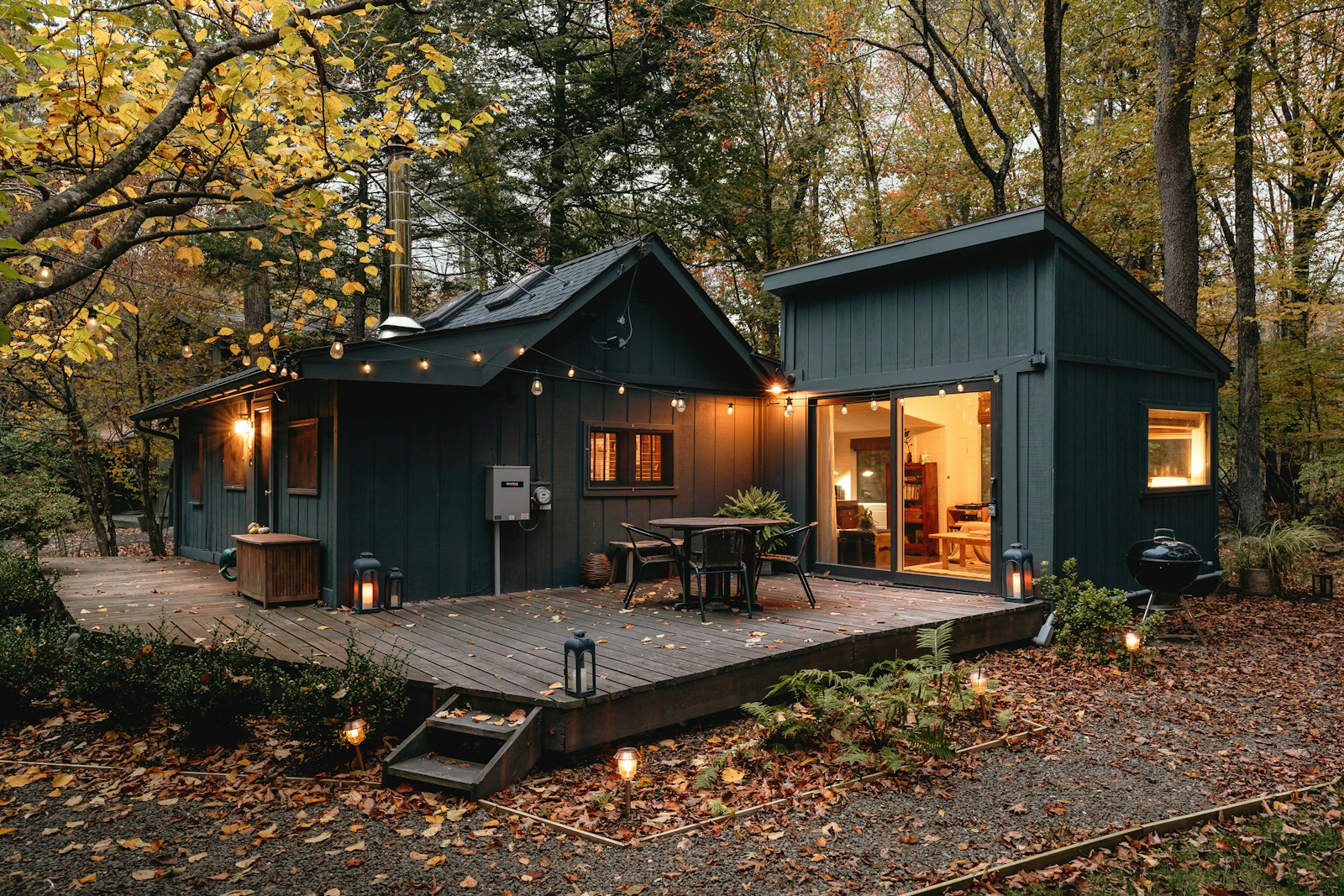
Airbnb searches for stays in Ann Arbor, Michigan, spiked more than 160% in the run-up to Saturday’s Michigan-Oklahoma football game, according to a report from MLive, as fans hunted for anywhere to sleep near a stadium that seats 107,601 people, per Britannica.
Michigan hosted No. 3 Oklahoma at noon on September 12, and the search surge landed at a particularly awkward moment for the city’s rental market. Just seven weeks earlier, on July 20, the Ann Arbor City Council voted 8-1 to approve a six-month moratorium on new short-term rental licenses, according to WEMU-FM.
Key Points
- Airbnb searches for Ann Arbor stays rose more than 160% ahead of the September 12 Michigan-Oklahoma game, per MLive.
- The city had roughly 300 licensed short-term rentals as of June 2026, plus several hundred more operating without a license, according to Hotel Online.
- Council approved a six-month freeze on new STR licenses on July 20, 2026, in an 8-1 vote.
- Airbnb says Michigan hosts brought in nearly $1.4 billion in state GDP and supported about 17,600 jobs in 2025.
The moratorium grew out of a wave of resident complaints about short-term rentals violating occupancy caps, inspection requirements, and owner-residency rules, city officials said in the WEMU-FM report. Council member Jenn Cornell has said the freeze is meant to keep unchecked short-term rental growth from eating into the supply of long-term rental housing, a concern that predates football season but gets a lot more visible once 107,000 fans and their families start looking for a place to crash.
Hotel Online reported that hosts and prospective operators pushed back hard at the council meeting. One licensed host said she had welcomed more than 750 guests across over 150 stays and argued the city should focus enforcement on operators who are already breaking the rules rather than freezing out compliant ones. A prospective host who had already sunk money into a property said the timing of the freeze caught him off guard mid-purchase.
Airbnb’s public policy team has argued the pause cuts off a source of income residents use to cover mortgages and property taxes, pointing to the platform’s 2025 Michigan totals as evidence of how much the short-term rental economy has grown statewide.
The tension is a familiar one in college towns: a handful of home-game weekends generate outsized rental income and strain lodging supply, while city leaders worry that year-round conversion of houses into rentals quietly shrinks the pool of places actual residents can afford to live. Ann Arbor’s moratorium runs through roughly January 2027, meaning next fall’s football schedule will arrive with the rules for new listings still unsettled.
For now, the ordinance only blocks new licenses — existing, compliant short-term rentals can keep booking games, home football weekend income and all.
Leave a Reply