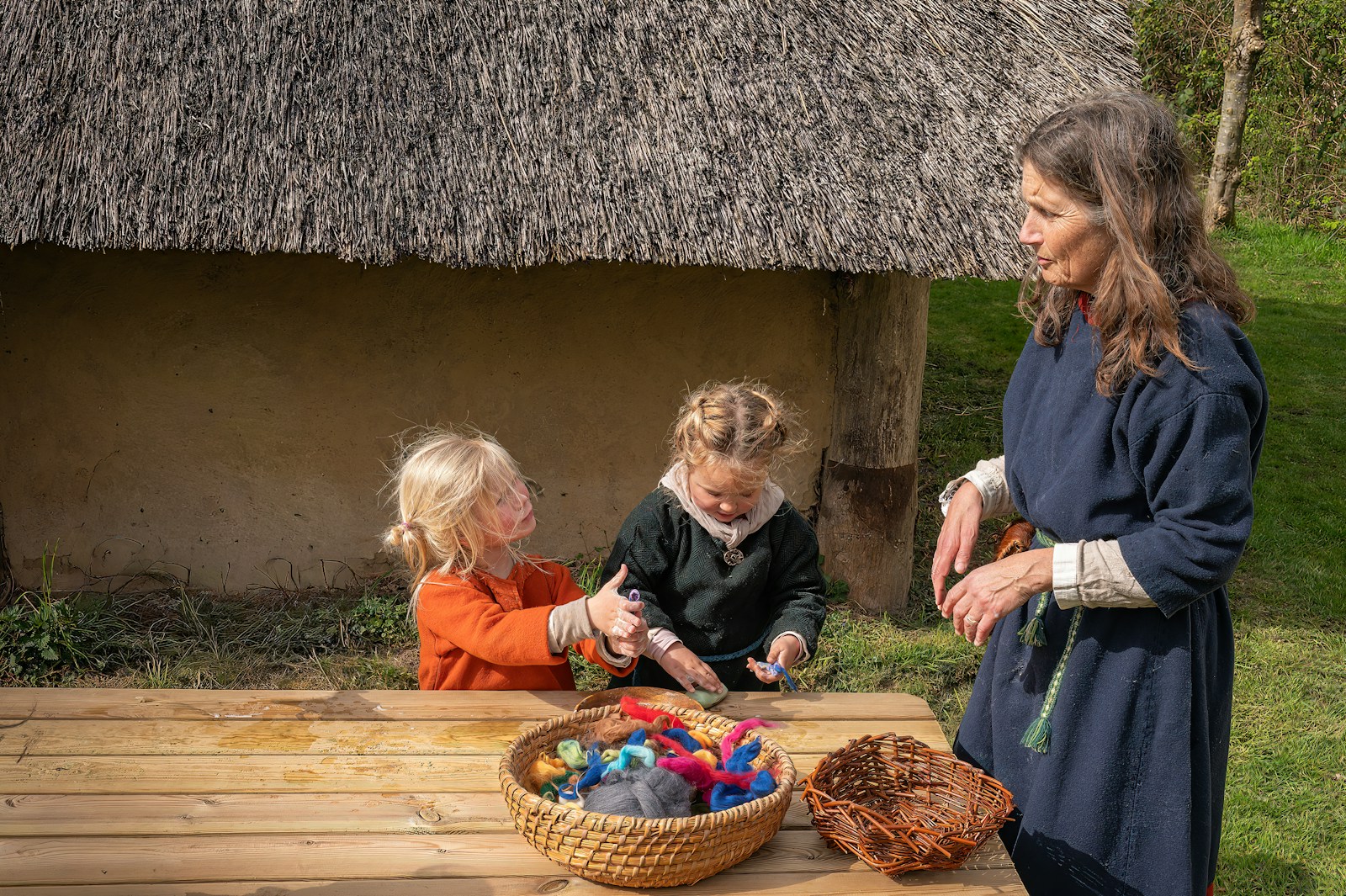
A family in turmoil is facing the challenges of blending different backgrounds and expectations. A devoted aunt is navigating the tricky waters of family dynamics as she pays for her twin nieces’ education and extracurricular activities, while their step-siblings are feeling left out and neglected. The incident has created a rift in the family, raising questions about fairness and the complexity of blended families.
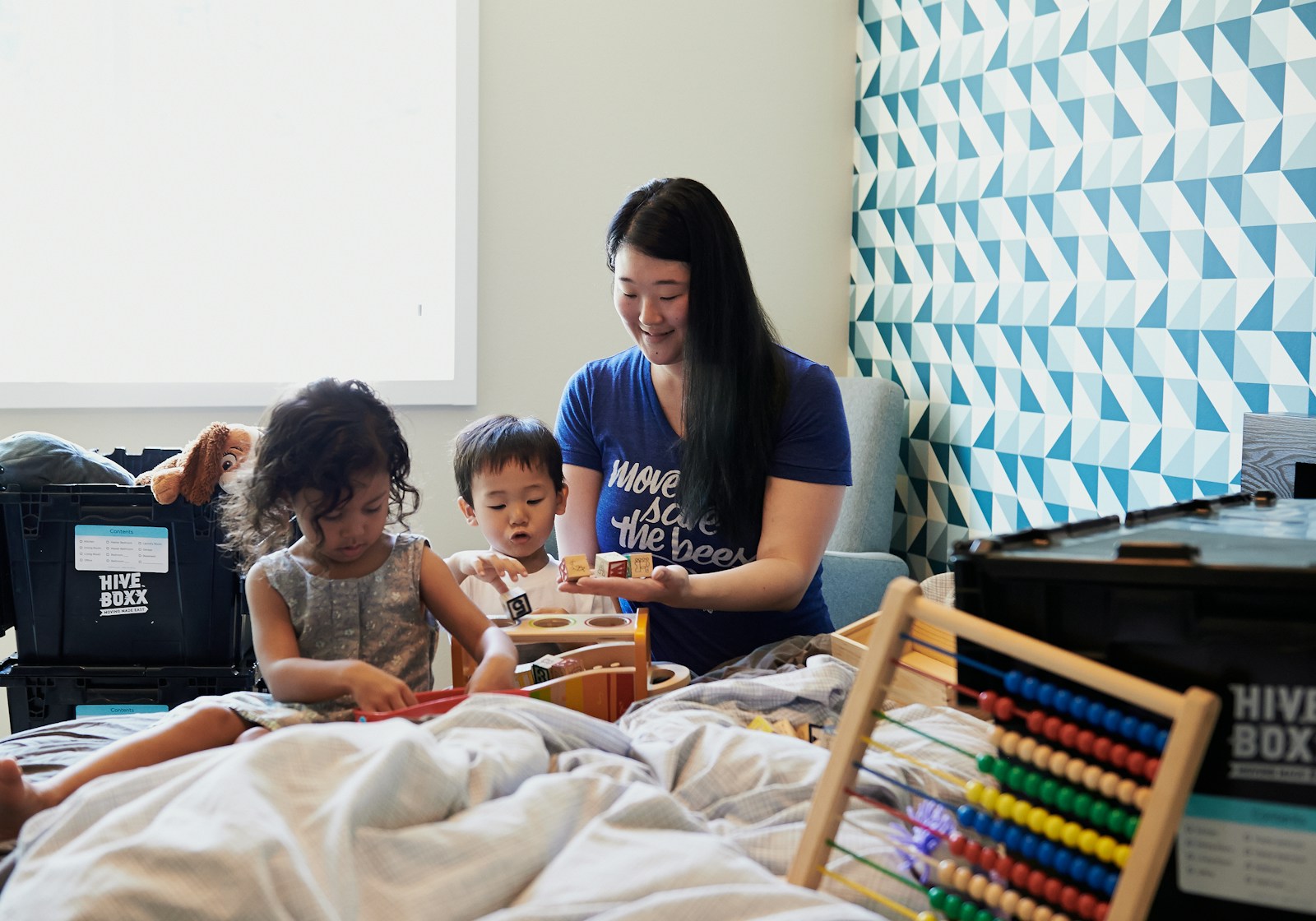
The poster’s sister had left her abusive husband and remarried, resulting in a new life with her twins. The aunt, wanting to ensure her nieces have a bright future, generously covers their private school tuition and extracurricular activities, including ballet and piano lessons. At just eight years old, the twins are thriving, and the aunt hopes to secure their education with a college fund. However, the story takes a complicated turn when the sister’s new husband enters the picture. He has two sons from a previous marriage, whose educational expenses are not supported by the aunt.
Financial constraints for the step-siblings have become a source of tension. The new family dynamic has turned into a “have and have not” situation, with the poster’s nieces reaping the benefits of a comfortable upbringing while their step-brothers struggle to keep up. The situation escalates during family events, where awkwardness arises from the differing circumstances. The poster describes how the brothers either refuse to participate or are forced to join but are clearly unhappy. This divide is affecting everyone, from the children to the adults involved.
The aunt feels torn between her loyalty to her nieces and the emerging family friction. Her sister believes that the disparity in financial support is creating an insurmountable barrier to blending their families. “If you can’t help them with his children, then we can no longer accept your assistance,” she said, voicing her disillusionment. This ultimatum puts the aunt in a difficult position. If she halts her financial support for her nieces, they risk losing access to their friends and activities, compounding the emotional fallout for the family.
Amid the chaos, the aunt is exploring alternatives. In her update, she expressed gratitude for the advice she received, pondering whether a compromise could be reached that allows everyone to partake in activities that resonate with them individually. Instead of covering everything for her nieces, she considered paying for “everyone’s pick of a special interest” instead—a less costly solution that still acknowledges the individuality of each child and attempts to bridge the widening chasm.
Reader reactions have been varied, with many commenting on the financial implications of the aunt’s choices. Some focused on the practicalities of funding education for multiple children, while others pointed out the emotional nuances of parenting in blended families. Few could ignore the symbolic importance of creating shared experiences rather than fueling feelings of exclusion.
Several readers highlighted the aunt’s good intentions, yet questioned whether her financial decisions were inadvertently isolating the step-siblings further. They underscored the need for open dialogue about contributions and responsibilities in blended families, emphasizing the importance of inclusivity over financial disparity. Others expressed sympathy for the children caught in the middle of adult conflicts, noting that emotional support often matters more than material support.
The poster’s situation underscores a common challenge faced by blended families: how to balance fairness and support in a way that fosters unity rather than division. As the aunt contemplates her next steps, she is left with unresolved tensions and the pressing need to find a solution that works for everyone—before family events become even more fraught with discomfort.
More from Willow and Hearth:
Leave a Reply