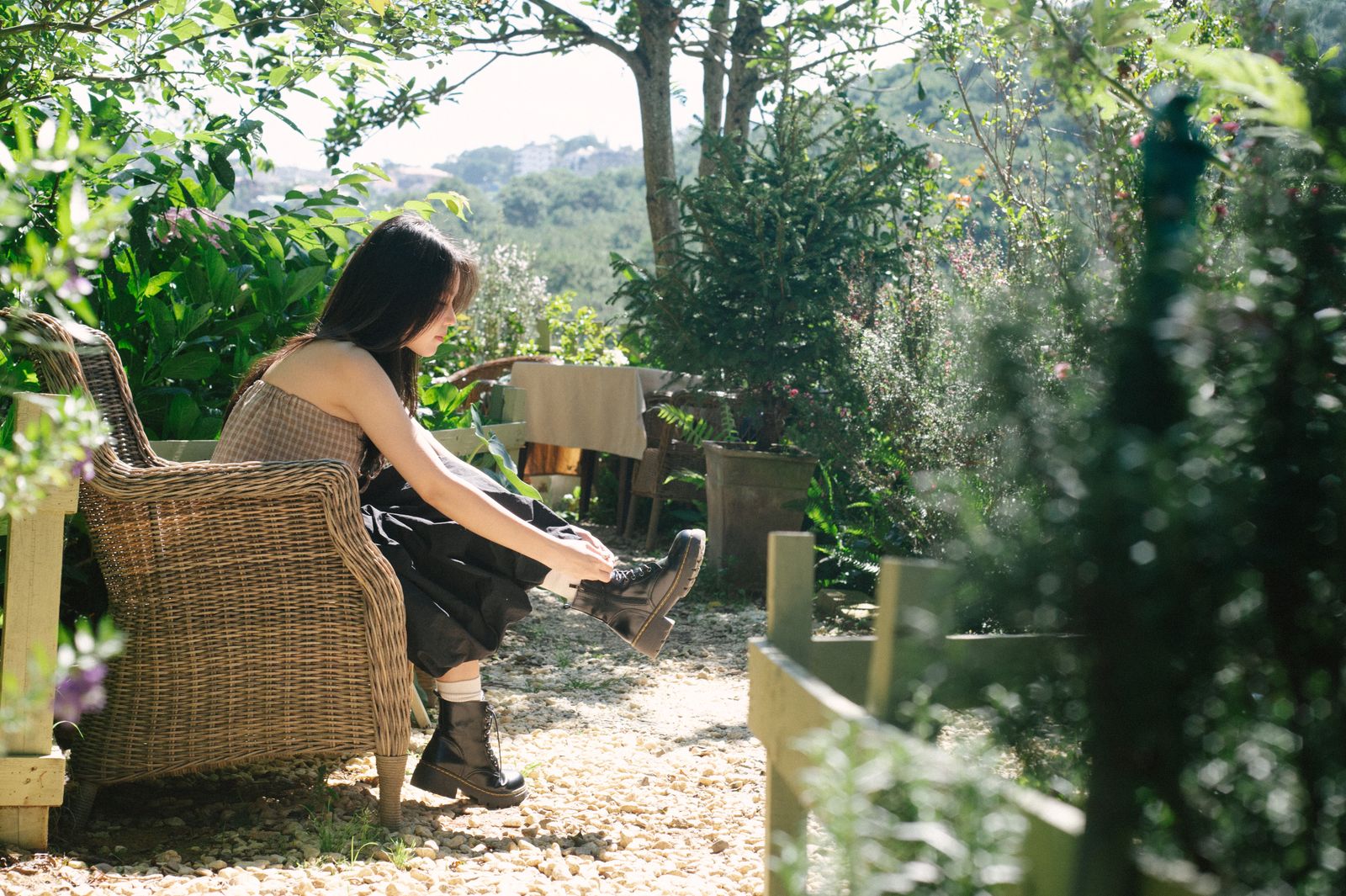
The unexpected loss of a family member often magnifies underlying tensions, and for one homeowner, this reality has manifested in a property dispute with her aunt that has become increasingly difficult to navigate. The shared backyard of their joint property in California has become a battleground, as one party attempts to assert control over common areas, leaving the other feeling sidelined and frustrated.

Following the death of her uncle, the poster’s relationship with her aunt took a turn for the worse. The property, shared through both her mother’s and aunt’s trusts, has become a source of contention. The poster, her fiancée, and her mother occupy different units on the same property but find themselves struggling to share the outdoor spaces harmoniously with the aunt, who occupies the back unit. As disagreements have arisen over rent and property use, the most pressing issue now is the aunt’s gradual encroachment into the backyard.
Over the years, the aunt has transformed the shared outdoor space into a personal garden, filling it with large potted plants and various items. Whenever a spot is free, she has taken it over, making it increasingly feel like her private domain. The poster and her fiancée, seeking to reclaim some shared space, decided to move their trash bins from the backyard to a more suitable front area—an action that didn’t sit well with the aunt. This was compounded by their choice to give recyclable cans and bottles to collectors instead of leaving them for her to redeem, which sparked further tension.
The poster has described a pattern of behavior from the aunt that includes blaming her for issues beyond her control. For instance, the aunt claimed that the homeowner’s actions ruined her Medi-Cal, which the homeowner disputes. The aunt’s complaints tend to escalate whenever she perceives a loss of benefit or control, making the living situation increasingly uncomfortable. The poster is now at a crossroads, hoping to establish reasonable boundaries that can help ease their day-to-day interactions until they can move out.
As their predicament unfolded, some readers weighed in on the complexities of sharing property with difficult family members. Many commentators recognized the delicate balance between family loyalty and the need for self-preservation. Some suggested establishing clear boundaries and even verbal agreements regarding the shared space, while others highlighted the importance of addressing issues directly but calmly, which might prevent misunderstandings from escalating further.
Others shared their personal experiences with similar situations, emphasizing the need for visible, physical boundaries. Ideas ranged from assigning specific areas of the backyard to each party to having a family meeting where all members could express their concerns and desires regarding property use. Some even pointed out that hiring a mediator could help alleviate tension, allowing a neutral third party to facilitate discussions about shared living arrangements.
Ultimately, the poster finds herself in a standoff, caught between a desire for familial harmony and the urgent need to assert her rights over shared property. The situation continues to be fraught with emotional complexities, as the aunt’s actions blur the lines of respectful cohabitation. As the search for a resolution continues, the tension surrounding the backyard remains unresolved, showcasing how property disputes can impact not just land but also long-standing family dynamics.
More from Willow and Hearth:
Leave a Reply