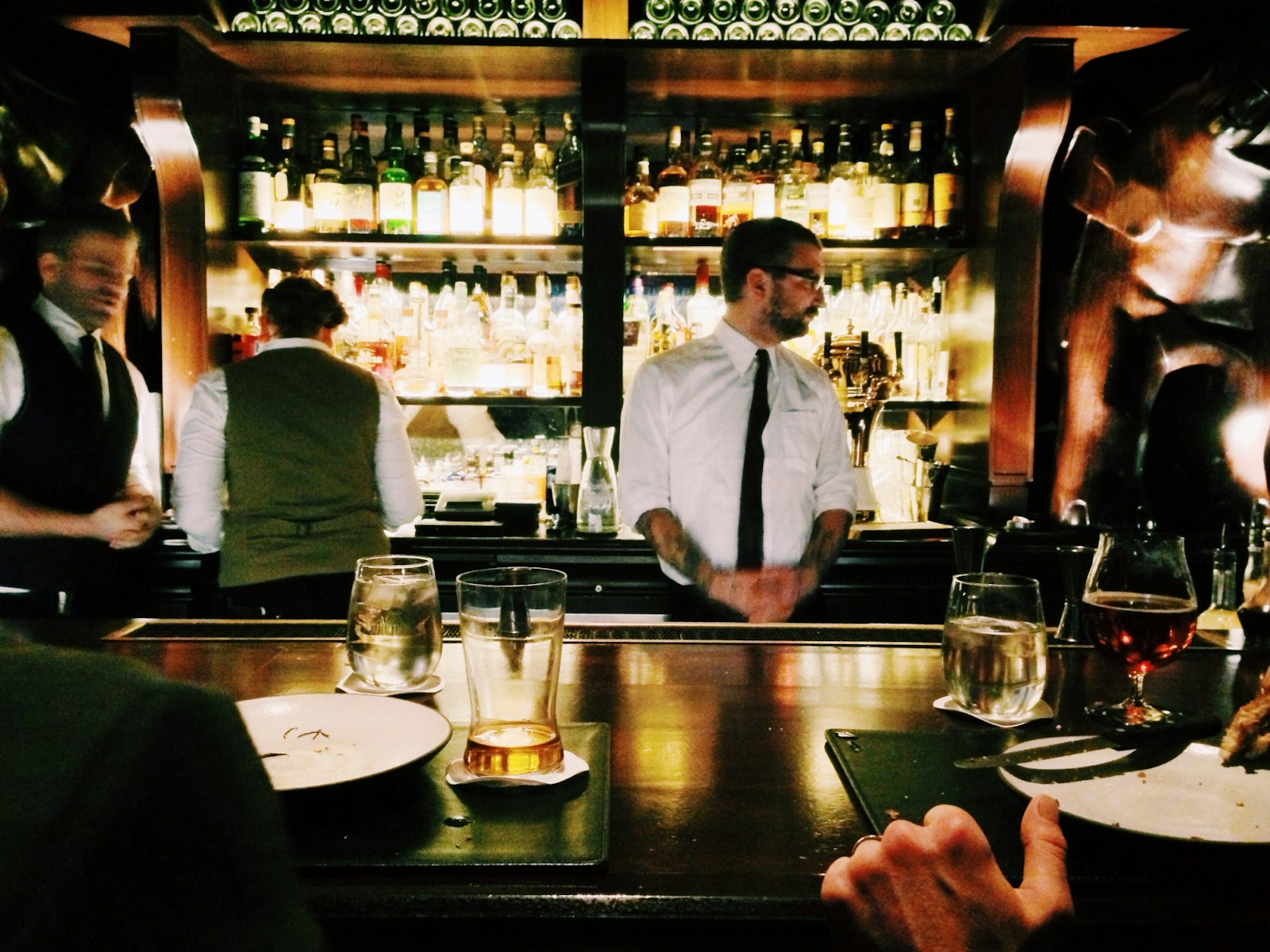
In the bustling world of bartending, where every interaction counts, one bartender recently found themselves at a crossroads between patience and frustration. This story highlights the challenges of navigating social interactions, particularly with regular customers who may face social disabilities. It has resonated with many readers who understand the fine line between professionalism and personal boundaries.

For this bartender, who works at a popular local bar known for its welcoming atmosphere, the job involves serving both long-time patrons and newcomers. Among the regulars is a man who frequents the bar and is recognized as someone from a nearby special-needs community. While the bartender generally enjoys chatting with the guests, this particular regular’s conversations often veer into uncomfortable territory, creating a unique set of challenges.
The man, who is relatively independent, struggles with social cues and often engages the bartender in lengthy discussions, even during peak hours. While the bartender has made efforts to be polite and accommodating, it becomes increasingly difficult to juggle the demands of service with the need to redirect the conversation. Unfortunately, the regular’s inability to read the room means that he frequently continues the dialogue long after it becomes apparent that the bartender is busy.
One of the recurring themes in their interactions revolves around the regular’s tales about his dog. These stories, however, focus on what he refers to as “teasing” his pet. Despite the lighthearted intent, the content of these anecdotes—which include pretending to give food to his dog only to pull it away, or scaring his dog by charging at it—raises eyebrows. The bartender has made it a point to express that such behavior isn’t acceptable, but the regular’s tendency to repeat these stories has led to growing tension.
On a particularly hectic day, after already hearing the same stories multiple times, the bartender reached their breaking point. Amid serving drinks and managing a crowd of customers, they bluntly stated to the regular, “Nobody wants to hear about that.” The words, though spontaneous and perhaps justified in the heat of the moment, left the regular visibly upset. A witness to the interaction, another customer familiar with the regular’s background, later suggested to the bartender that a kinder approach might have been more appropriate.
This incident raises questions about the balance between maintaining professionalism and addressing repetitive, uncomfortable conversations. Bartenders often find themselves in situations where they must handle delicate topics while ensuring that all patrons feel comfortable and valued. In this case, the bartender’s decision to speak up, albeit out of frustration, has sparked a debate on social boundaries and the responsibilities of service staff in handling sensitive issues.
Many in the online community have weighed in on the story, sharing their perspectives on the matter. Some empathize with the bartender, recognizing the challenges of working in a fast-paced environment where patience can wear thin. Others, however, emphasize the importance of understanding and compassion, especially when dealing with individuals who may not grasp social cues in the same way. This duality highlights a broader societal conversation about inclusivity, empathy, and the complexities of communication.
As the bartender reflects on the situation, they may find themselves considering the line between frustration and understanding, especially when it comes to their regular customers. In the world of hospitality, navigating these dynamics is an everyday reality. This incident serves as a reminder of the importance of empathy, even when the demands of the job feel overwhelming.
In the end, while the bartender’s exasperation is understandable, it also opens the door for deeper discussions about compassion and social awareness. The bar remains a space where diverse interactions occur, and with that comes the responsibility to forge connections, even when faced with repeated stories of dog antics.
More from Willow and Hearth:
Leave a Reply