When a furnace dies in January or an air conditioner quits in July, homeowners tend to buy whatever can be installed fastest. That is the moment a few letters and numbers on a spec sheet start costing real money.
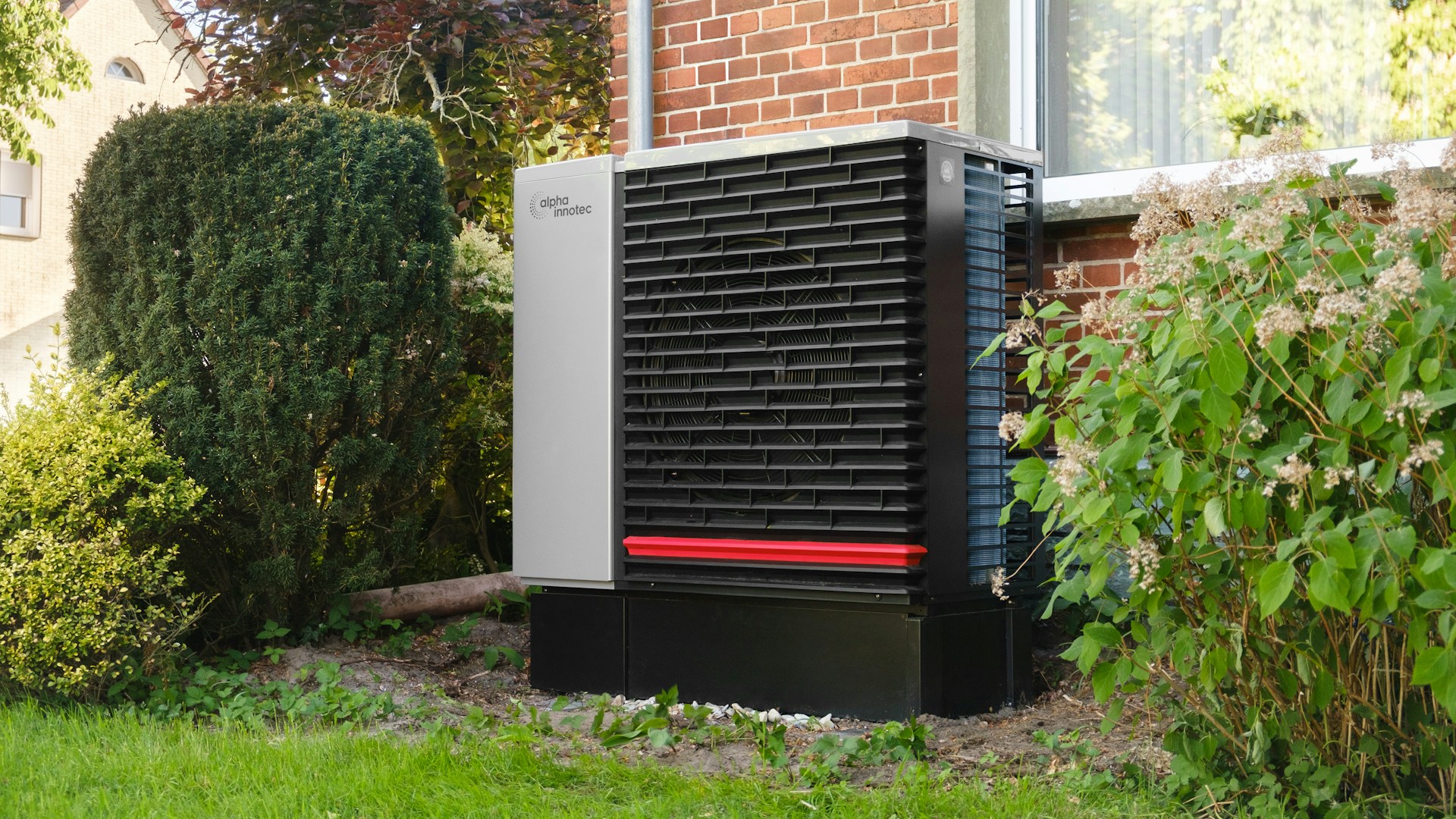
The U.S. Department of Energy’s October 2010 Guide to Home Heating and Cooling walks through the ratings and sizing questions that shape a utility bill for the life of the equipment.
Nine details from that guide are worth checking before you sign. Federal standards have been updated since 2010, so confirm current thresholds on the Energy Star site, but the questions to ask have not changed.
Air Conditioners Sold Since 2006 Must Rate At Least SEER 13, And Energy Star Central Units Must Hit 14, Says The Department Of Energy In 2010
The Department of Energy’s 2010 guide says residential air conditioners sold in the United States since January 2006 must have a seasonal energy efficiency ratio, or SEER, of at least 13. Energy Star central units must reach 14.
SEER reflects cooling output divided by power use over the cooling season. Higher numbers mean better efficiency, so the number on the quote matters.
Moving From SEER 9 To SEER 14 Can Cut Energy Use By More Than 35%, The 2010 Guide Calculates
For homeowners with an older unit, the guide offers a striking figure. Upgrading from SEER 9 to SEER 14 can cut cooling energy use by more than 35%.
Its example: on $100 a month in cooling costs, that could mean up to $35 saved each month. The older your unit, the more that rating gap is worth.
SEER And EER Are Two Different Scores, And Central Systems Are Rated On Both, According To The Department Of Energy
The guide explains that EER measures instantaneous efficiency, while SEER looks at the whole cooling season. Central systems are rated on both.
If an installer talks only about the shiny number, ask for the other one too. Both are on the equipment’s rating label.
Furnace Efficiency Is Measured In AFUE, The Share Of Fuel Actually Turned Into Heat, The Department Of Energy Explains
AFUE, or annual fuel utilization efficiency, measures the share of the fuel’s energy that actually reaches the house as heat, according to the 2010 guide. Higher is better.
A higher AFUE means more of every fuel dollar ends up as heat in your rooms, and that benefit shows up again on every monthly heating bill.
Energy Star Gas Furnaces Needed An AFUE Of 90% Or More And Oil Furnaces 85%, The 2010 Guide Reports
The guide gives the Energy Star thresholds as of its publication: at least 85% for oil furnaces and at least 90% for gas furnaces.
Use those as a starting point, then check the current Energy Star listing for today’s requirements before you compare quotes.
Insist On A Manual J Calculation To Size The Equipment, The Department Of Energy Tells Homeowners
The guide says to insist that the contractor use the Air Conditioning Contractors of America’s Manual J to calculate equipment size. Sizing factors include house size, insulation, heating and cooling use and local climate.
A contractor who simply eyeballs the square footage is skipping the step that decides whether the system fits your house.
The Old Ton-Per-400-Square-Feet Rule Ignores Climate, And Oversizing Brings Noise, Mold And Higher Costs, The Guide Cautions
The old rule of thumb is about one ton, or 12,000 Btu, of cooling for every 400 to 500 square feet. The guide says a very well-sealed and insulated house may need only one ton per 800 to 1,000 square feet.
That is why the rule can steer you wrong. The Department of Energy says oversizing can lead to noise, poor comfort, mold, poor indoor air quality and higher costs.
Leaky Or Crushed Ducts Can Keep Conditioned Air From Ever Reaching The Room, Says The Department Of Energy
A shiny new unit is only as good as the ducts attached to it. The guide recommends sealing leaks with fiberglass mesh and mastic and checking for disconnected or crushed ductwork.
It notes that HVAC service companies often do duct sealing at a reasonable price, which makes it a smart add-on to any equipment job.
A Regular Maintenance Schedule Can Cut Heating And Cooling Costs By 5% To 10%, And Systems Over 15 Years Old Deserve A Look, The 2010 Guide Says
The Department of Energy says a regular maintenance schedule can cut heating and cooling costs by 5% to 10% and extend equipment life. It suggests an air conditioner inspection in spring, a furnace check in fall and clean or replaced filters monthly in peak seasons.
If your heating or cooling system is over 15 years old, the guide says replacement can save on electric bills and improve efficiency. If you are shopping for a heat pump instead, it lists Energy Star levels of SEER 14 or greater and HSPF of 8 or greater.
Take the list with you when contractors visit. Ask each one for the SEER or AFUE of the model quoted, the Manual J calculation behind the size and a plan for the ducts.
Get the answers in writing, and compare them side by side. A quote that is cheaper but skips the sizing calculation may cost more in comfort and bills over the years.
Mark your calendar for spring and fall maintenance as soon as the new equipment goes in. It is the simplest way to protect the savings you just paid for.
More Stories You May Like
- DIY Renovators Finish A Door Project With A Second Coat Of Paint Then Check Out Their Bus That Has Been Sitting For Three Years And Find Two Potential Leaks
- Realtor Says A 1970s House Was Maintained Really Well But The Inspector Finds An Air Conditioner Built Into The Garage Door And Spray Foam Stuffed In Drywall Holes
- Smoke And Carbon Monoxide Alarms Wear Out Around The 10 Year Mark According To Manufacturer Guidance So Check The Date On Yours Tonight
Leave a Reply