Plumbing advice gets passed around like folklore. A neighbor swears by a trick, a package makes a bold promise, and a habit that seems harmless becomes a routine. Some of those beliefs cost homeowners real money in clogs, damaged fixtures and visits from the plumber. Three of the most common are dropping bleach tablets into the toilet tank, flushing wipes that say they are flushable and pouring grease down the drain.
The common thread is that each one seems to make life easier right now and causes trouble later. Here is what is really going on inside your pipes and fixtures, and what to do instead.
Myth One: Bleach Tablets in the Toilet Tank Keep Everything Clean
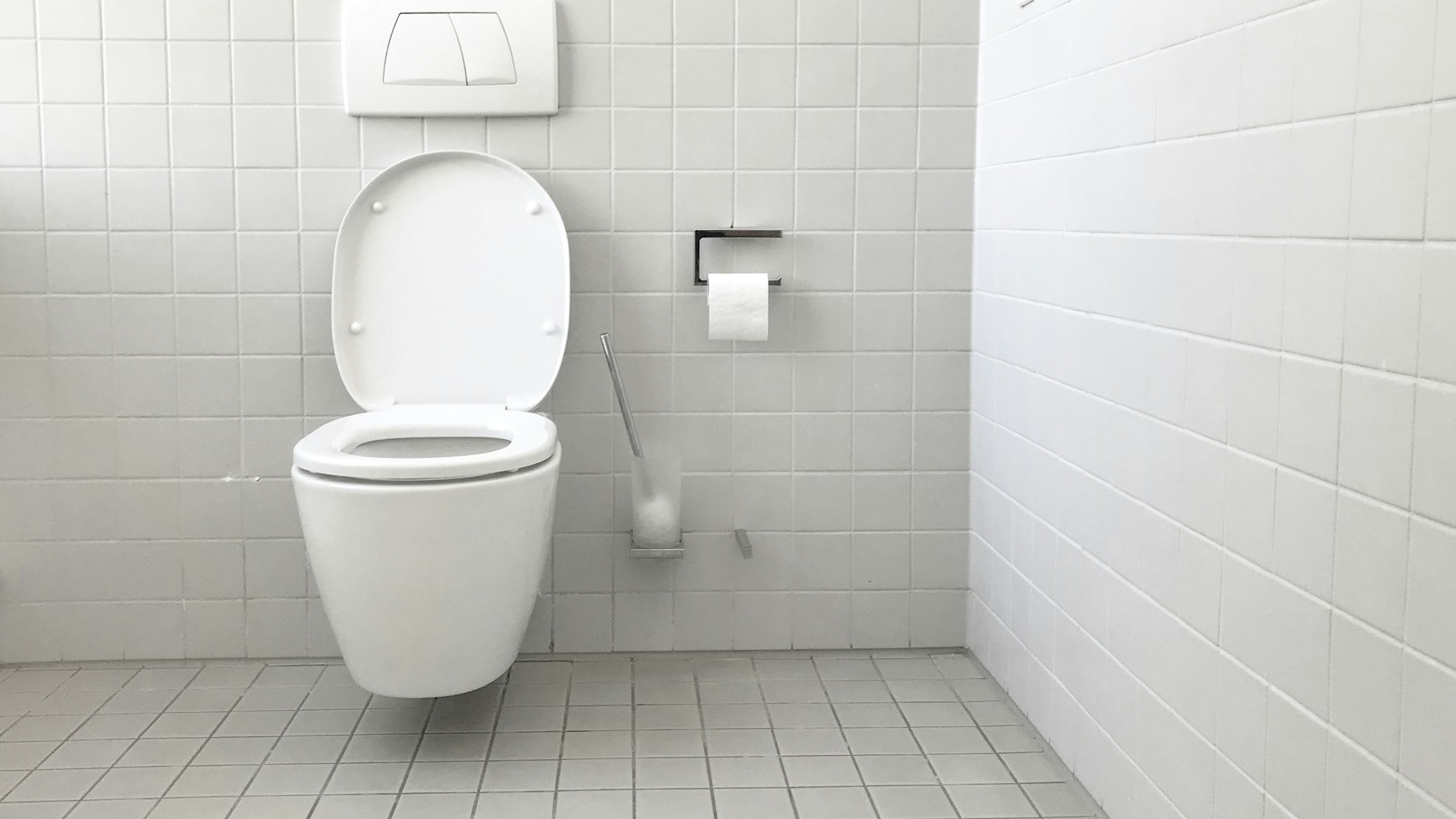
The idea is appealing. Drop a tablet in the tank and every flush sends a fresh wave of cleaner into the bowl. But the toilet tank is full of small parts, many of them rubber or plastic, such as the flapper, the seals and the fill valve. Those parts are designed to sit in plain water, not in a steady bath of strong chemicals.
Plumbers commonly warn that long term exposure to harsh cleaning chemicals can wear down those parts. A flapper that stops sealing well lets water leak from the tank into the bowl, so the toilet runs on and on. A running toilet wastes water, raises your bill and may need a repair that costs far more than the tablets saved you in elbow grease.
A better approach is simple. Clean the bowl with a brush and a cleaner made for the job, applied directly to the bowl rather than stored in the tank. Check your toilet’s manual or the manufacturer’s guidance if you are unsure which products are safe for your fixture. And do not mix cleaning chemicals, since combining some of them can create dangerous fumes.
Myth Two: If the Package Says Flushable, It Is Safe to Flush
This one catches people because the label seems like a promise. But the word “flushable” on a package does not mean the wipe breaks down the way toilet paper does. Toilet paper is made to fall apart quickly in water. Many wipes are made from tougher material that holds together, and they can snag in pipes, tangle with other debris and build up into a blockage.
Those clogs do not always show up right away. A wipe may go down without a problem, then catch on a rough spot or a bend further along. Over time, wipes and other materials can collect into a stubborn mass. That can back up your home’s own drain line or cause trouble in the lines that carry waste away from your house, and plumbers regularly pull wipes out of problem pipes.
The safest rule is to put wipes in the trash, even the ones labeled flushable. Keep a small lined wastebasket in the bathroom to make it easy. The same goes for paper towels, cotton balls and other items that are not made to dissolve. Only toilet paper and human waste belong in the toilet.
Myth Three: Hot Water Will Carry Grease Down the Drain
Pouring cooking grease down the kitchen sink along with hot water feels like it should work. The grease looks like it flows away. But as it moves through your pipes and cools, it turns thick and sticky and clings to the walls of the pipe. Each time more grease goes down, the layer builds, and it traps food scraps and other debris along the way.
Eventually the opening narrows, water drains slowly and a full clog forms. It can happen in your own pipes and further down the line as well. A grease clog is one of the more frustrating ones to fix, and it may need a professional with specialized equipment.
Instead, let used grease cool, then scrape it into the trash or pour it into a sealable container you can throw away. Wipe greasy pans with a paper towel before washing them. Use a drain strainer to catch food scraps. Your sink, and your plumber, will thank you.
What Actually Clogs Lines and Damages Fixtures
- Grease and cooking fat that hardens inside pipes.
- Wipes, paper towels and hygiene products that do not break down.
- Hair and soap scum that gather in bathroom drains.
- Food scraps that pile up in kitchen lines, even with a disposal.
- Harsh chemicals that wear on rubber seals and soft parts.
- Tree roots that sometimes work into outdoor lines, a separate problem that needs an inspection.
Habits That Save Money
Fixing plumbing problems usually costs more than preventing them. Put a strainer over each drain to catch hair and scraps. Run hot water for a bit after using the kitchen sink. Pay attention to early signs like slow drains, gurgling sounds, repeating clogs or a toilet that runs after flushing.
Drain cleaning chemicals are often marketed as a quick fix, but they can be harsh on pipes and are not always effective on serious blockages. For a minor clog, a plunger or a hand drain snake is often a gentler place to start. If a clog keeps coming back or more than one fixture is draining slowly, call a licensed plumber, since that can point to a problem deeper in the line.
Before you buy a gadget or follow a viral tip, ask whether it works with the way your plumbing is actually built. The pipes behind your walls have their own rules, and respecting them is the cheapest plumbing plan there is.
More Stories You May Like
- Handyman Shuts Down His Business After Five Years and Hundreds of Jobs and Shares What He Learned
- Full Cost Breakdown of a Home Renovation Shows It Took Longer and Cost More Than He Ever Imagined
- Appalachian Grandmas Fed Whole Families From Flour, Grease And A Cup Of Water During The Depression And One Meal Even Kept A Family From A Deadly Disease
Leave a Reply