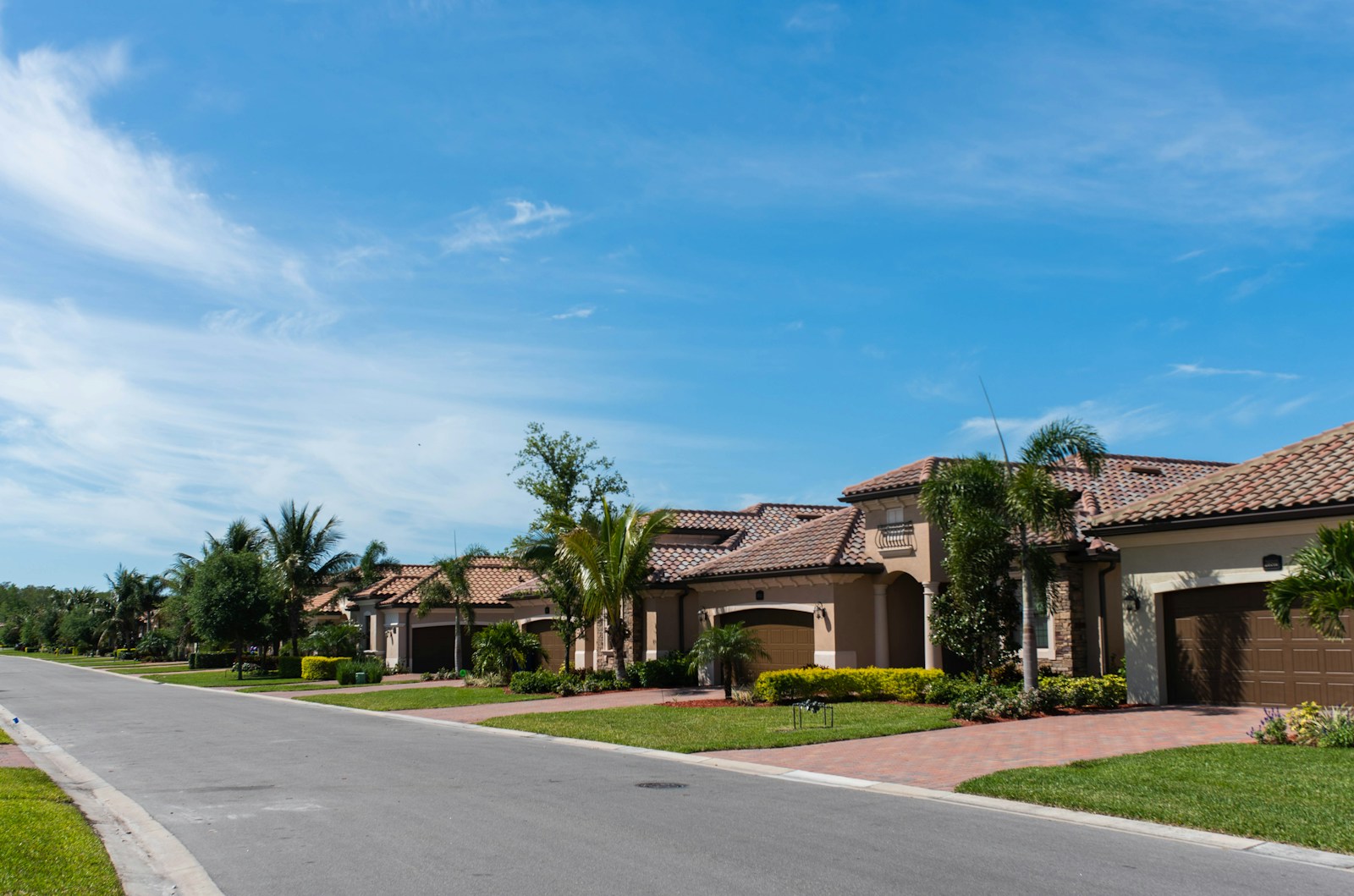
A homeowners association in Boca Pointe has taken one of its own residents to court over $5,000 in unpaid dues and fees, a case that on paper looks small but that legal experts say illustrates exactly how these disputes tend to spiral, according to BocaNewsNow.
The lawsuit, filed by the Boca Pointe HOA against the homeowner, centers on an amount that most people would associate with a car repair or a couple months’ rent, not litigation. Yet association dues carry a legal weight that many homeowners underestimate until they’re the ones being sued over them.

HOA fees aren’t treated as optional add-ons in most governing documents, they’re contractual obligations tied directly to owning property inside the community. Miss enough payments and an association typically has the authority to file a lien against the home, add late fees and interest on top of the original balance, and eventually pursue a lawsuit or even foreclosure to recover what’s owed. That escalation path is baked into the covenants most buyers sign at closing without reading closely.
Why a small balance turns into a real case
What starts as a few missed payments can balloon quickly once legal fees enter the picture. Associations often recover their attorney’s costs from the homeowner if they win, which means a $5,000 dues dispute can end up costing the homeowner several times that amount by the time a judgment is entered. That dynamic is part of why the phrase “not optional,” used in coverage of the Boca Pointe case, captures the tone associations tend to take once a delinquency reaches the lawsuit stage.
Boca Pointe is far from the only community where dues disputes have ended up in a courtroom, but the size of this particular claim stands out. Most litigated HOA cases involve either large balances built up over years or disputes tangled up with other grievances, like disputed fines or maintenance disagreements. A standalone suit over $5,000 suggests the association was either unwilling to negotiate a payment plan or had already exhausted informal collection efforts before turning to litigation.
For homeowners inside associations generally, the case is a reminder that dues delinquency doesn’t need to reach a dramatic dollar figure before it becomes a legal matter. Boards have broad authority under most state HOA statutes to pursue collection through the courts, and many exercise that authority well before a balance climbs into the tens of thousands. Whatever the outcome for this specific homeowner, the filing itself sends a clear signal to the rest of the community about where the association’s tolerance for unpaid fees actually sits.
Leave a Reply