Painting over an old brick fireplace is the fast fix, and plenty of owners reach for the can without a second thought. A broker on Instagram, @jolierichardsbroker, went the other way. She stripped years of mortar from an original 1958 brick fireplace instead of painting over it.
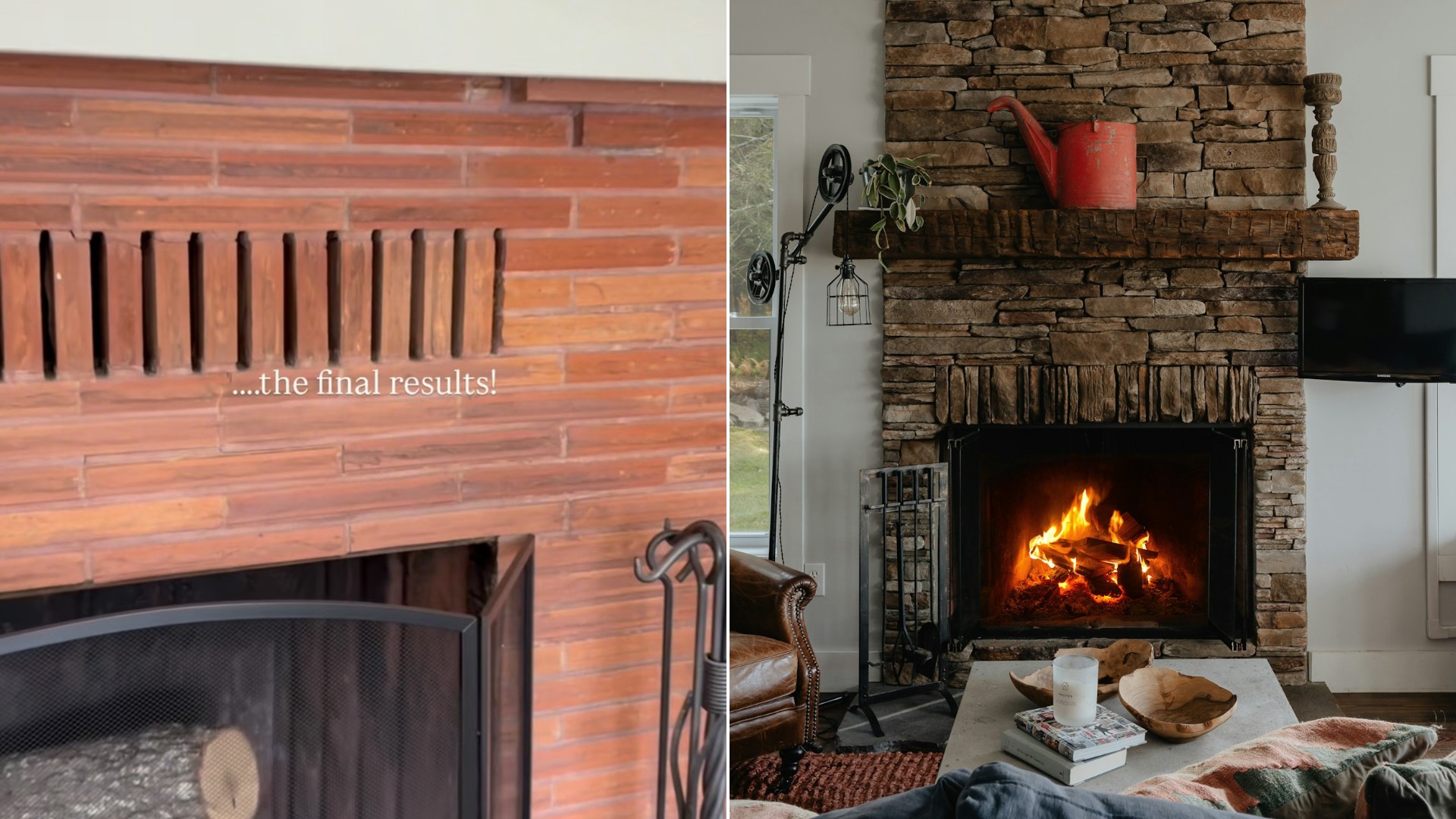
By her own account she was not sure the brick was worth saving. When the work was done, she calls the result surprising.
That small gamble is a lesson for anyone staring at a dated fireplace, and it shows why original features sometimes deserve a closer look.
View this post on Instagram
Why Original 1958 Brick Is Worth A Second Look
Homes built in the late 1950s often include fireplaces made with solid masonry and brick that has aged for decades. Mid-century homes have gained fans in recent years, and an original fireplace is part of the charm buyers look for.
Brick from that period can have a depth of color and texture that new veneer struggles to copy. Years of heat and time give it a character that cannot be ordered from a catalog.
Still, age alone does not guarantee beauty. Old brick may be stained, patched or buried under heavy mortar, which is the situation the broker describes.
The Mortar Problem
Mortar is the cement-based material that holds bricks together. Over the years, many fireplaces get extra mortar smeared over the face, sometimes as a repair and sometimes as a decorative finish known as a German schmear. Either way, it can hide the brick underneath.
Stripping it away is slow, dusty work. It is typically done by hand with chisels and wire brushes or with specialty tools, and it takes patience to avoid chipping the brick itself.
That risk explains her doubt. Until the mortar comes off, nobody can tell whether the brick below is crisp and handsome or cracked and uneven.
Paint Or Strip, The Big Decision
Painting brick is popular because it is quick and cheap, and a fresh coat can brighten a dark room. But paint is hard to undo. Once brick has been painted, removing the coating takes harsh chemicals, a lot of work and sometimes damage to the surface.
Stripping mortar is the opposite bet. It costs more in time and effort, but it leaves the original material in place and keeps your options open. If the brick turns out to be poor, you can still paint it later.
That is the logic behind the broker’s choice. She picked the route that could be reversed, rather than the one that could not.
What To Know Before You Start
Before taking a chisel to a fireplace, learn what you are dealing with. A few checks can save a lot of grief, and some of them concern safety.
- Have the chimney and firebox inspected. A certified chimney sweep can check for cracks, creosote and damage before any use.
- Wear a dust mask, safety glasses and gloves. Old mortar and brick dust are not something to breathe.
- Test a small hidden patch first to see how the brick and mortar respond.
- Work slowly with hand tools, and keep the cutting edges away from the brick face.
- Check the home’s age. Homes built before 1978 may have lead-based paint, and renovation rules apply in that case.
Fireplaces also bring a safety checklist that paint jobs skip. The National Fire Protection Association recommends that chimneys and fireplaces be inspected at least once a year, and a restoration is a natural time to schedule that visit.
Budget matters as well. A hands-on mortar strip costs far less in cash than a rebuild or a stone veneer, though it can take a few weekends of steady work, so plan the time before you start.
How A Reveal Can Change A Room
A fireplace is often the focal point of a living room, so changes there carry a lot of weight. Exposed brick can add warmth and texture and can make the whole space feel more natural.
Real estate agents know the power of a focal point. A feature that stands out in photos tends to catch buyer attention, and an original detail gives a home a story to tell.
That does not mean every old fireplace should be restored. Taste is personal, and some buyers want a clean, modern look. The point is to find out what you have before you cover it.
Brick Care After The Reveal
Once the mortar is gone, the brick may need a bit of cleaning and repair. Loose joints can be repointed with fresh mortar matched to the old color, and a gentle cleaning can lift soot and dust.
Some owners seal the brick to make it easier to maintain, while others leave it natural. If you plan to use the fireplace, ask a mason which products can withstand heat before you apply anything.
A clean hearth and a safe chimney go together. Even the prettiest brick is only an asset if the fireplace works properly.
The Gamble That Paid Off
The story from @jolierichardsbroker is a good reminder that renovation is often about patience. She started the job with a hunch about the brick, and she did the work anyway.
Before you pick up a paint roller, look at what the house gave you. A 1958 brick fireplace might be hiding something worth the effort, and the result may surprise you too.
More Stories You May Like
- Man Accused Of Impersonating A Registered Contractor Took $40,500 From Homeowners For Jobs Never Finished, Then Posted $38,000 Bond Ahead Of A Nov. 19 Arraignment
- Missouri Couple Charged With Taking About $5 Million From Customers Who Thought They Were Buying Barndominiums, And One Man Says He Paid Over $70,000 Up Front And Got A Septic Permit Worth Under $2,500
- Fire Official Says To Hang Holiday Lights With Plastic Clips Instead Of Nails Or Staples, And Keep Live Christmas Trees At Least Three Feet From Any Heat Source
Leave a Reply