A couple moving into a new Brooklyn apartment is facing unexpected utility charges that have raised eyebrows and sparked confusion. Initially informed that they would only pay a percentage of the building’s electric bill due to a lack of a separate meter, they have now discovered that they will also need to cover common-area expenses on top of their individual electricity usage. What was once a simple cost-sharing arrangement has turned into a complicated financial obligation.
The tenants, who recently signed their lease, were told by the broker that their electric bill would be computed based on the building’s overall power usage, split proportionally with the upstairs apartment. The lease explicitly stated, “tenants will pay 35% of the building’s electric bill, with the upstairs apartment paying the remainder.” This arrangement seemed reasonably straightforward, especially since it was common practice in many older buildings across the city.
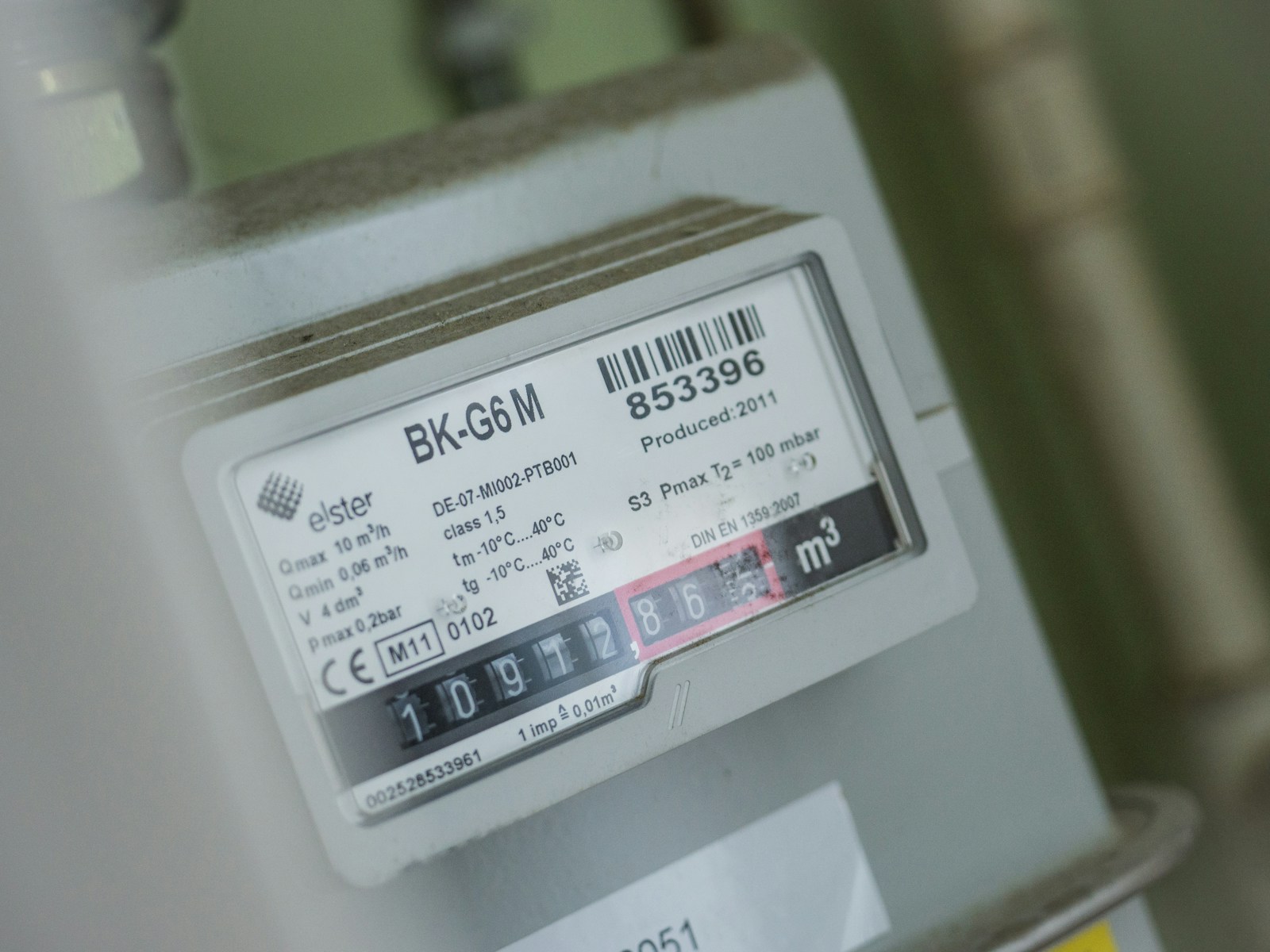
However, when the couple finally connected directly with their landlords, they were hit with unexpected news: they do, in fact, have a separate electric meter for their apartment. The landlords expect them to pay 35% of the building’s electric costs associated with common areas—like hallways and utility rooms—on top of their individual electric bill. This revelation caught the tenants off guard, especially since they had only learned of these extra charges after committing to the lease.
Adding to their frustration is the realization that while the broker misrepresented the situation regarding the utilities, the landlords are now upholding the unexpected terms. The tenants expressed their concern over the legality of this arrangement, fearing they might be backed into a corner with unexpected expenses that they had not signed up for. They seek clarity on how to address this issue, particularly since the misunderstanding stems from the broker’s communication rather than the landlords’ themselves.
As the couple prepares for their move, they find themselves navigating the murky waters of tenant rights and obligations. Their questions center around whether they can legally contest the charges being imposed and how to handle the situation now that their lease is signed. The matter of utility payments has become more than just a financial burden; it’s also a significant source of stress as they transition into their new home.
Responses from readers in similar situations have been varied, yet most seem to focus on the tenant’s legal standing. Many suggested that, at a minimum, the couple should document everything and continue communicating with the landlord for clarity regarding the charges. Others raised questions about the obligations of the broker, asserting that if misrepresentation occurred, the responsibility might still lie with them. The overarching sentiment is that the confusion is not uncommon in the complex rental landscape of Brooklyn, where rules can often be ambiguous.
Despite the uncertainty, some readers reassured the tenants that they have options, even if they might be limited. They pointed out that tenants in New York City are protected by various laws, and it’s possible to seek legal advice to clarify their rights under these new arrangements. This advice resonated, offering a glimmer of hope amidst the intricate web of utility charges.
As the couple stands on the brink of their new chapter, the tension surrounding their unexpected utility costs looms large. With their move just days away, they are left weighing their options and determining how to advocate for themselves in the face of what feels like an overwhelming burden of extra charges. In the bustling rental market of Brooklyn, miscommunication appears to be a frequent pitfall, and navigating it can be a daunting task.
Original discussion: https://www.reddit.com/r/legaladvice/comments/1ukp0xa/paying_for_apt_common_areas_ny/
Leave a Reply