In a California distribution warehouse employing around 150 workers, a new mandatory security screening policy has turned the end of each shift into a frustrating and unpaid ordeal. Employees are required to clock out before undergoing a security check that can take up to 20 minutes or more, effectively transforming their exit into a marathon of waiting without compensation. For many, this added time means unpaid hours that should rightfully be earned.
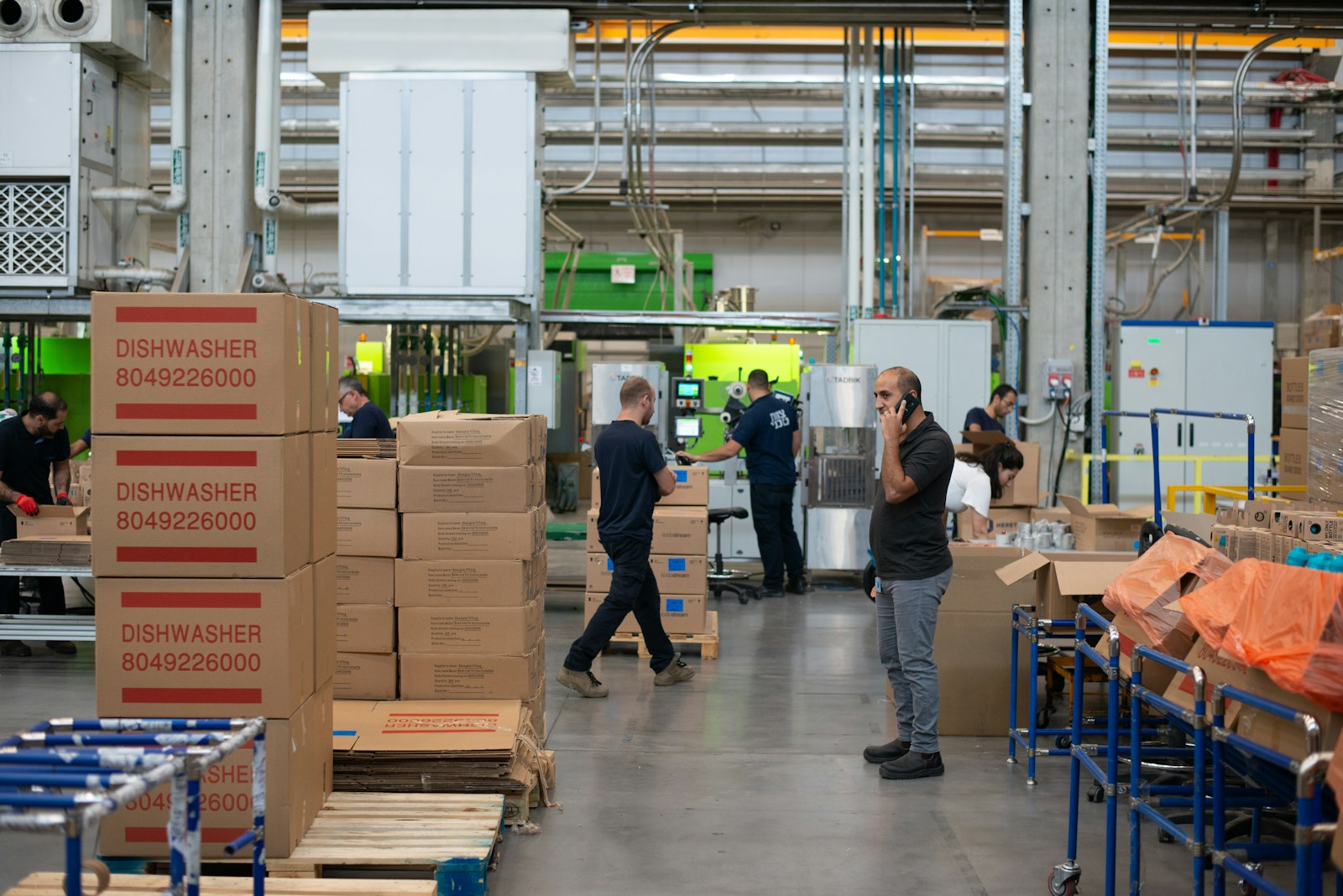
The issue began when warehouse management introduced security screenings aimed at thwarting potential thefts. While the actual screening process only takes a minute or two, the lines can stretch dramatically, especially on busy nights. Employees have reported waiting in line for as long as half an hour after they’ve already finished their work, only to be told they must clock out before the search. This policy leaves many questioning the legality of the situation.
“HR said the checks happen after our work is finished, so the time is personal and unpaid,” one employee revealed. This statement has sparked confusion and frustration among the staff, many of whom believe that waiting to be screened should be compensated time. The company’s supervisor went a step further by warning employees not to delay clocking out, effectively coercing them into accepting the invasive exit procedures without pay.
As employees voice their concerns, they have begun to wonder if they have any legal recourse against this policy. California law stipulates that employers must pay for all time workers are engaged in their duties, and many are left pondering whether standing in line for a security screening falls into that category. The looming question is, can the company legally discipline employees who opt to remain clocked in until the screening is complete?
Reader reactions to the post highlight the tension between employee rights and company policies. Some felt a strong sense of anger regarding the implications of unpaid time and the company’s disregard for its workers’ rights. Others pointed out that the situation might infringe on California labor laws, which are typically protective of employee rights. “This seems like a pretty clear violation of labor law if you ask me,” one commenter said, underscoring the potential for legal ramifications for the warehouse.
Additionally, some readers expressed disbelief over the company’s decision to enforce such a policy without considering its impact on employee morale. Comments reflected a shared sentiment that employers should not exploit situations simply to safeguard their assets at the employees’ expense. “It’s not just a nuisance; it’s a blatant disregard for the workers who are what keep this place running,” one reader articulated. Many urged employees to seek legal counsel to challenge the company’s practices.
As the discussions unfold, a palpable unrest simmers among the warehouse staff. Employees have begun to band together, contemplating their next moves in the face of a policy they collectively find unjust. The prospect of unpaid time after clocking out is a bitter pill to swallow, especially when many are already working hard to make ends meet. In this modern workplace showdown, the stakes are high, with both legal implications and employee satisfaction hanging in the balance.
More from Willow and Hearth:
Leave a Reply