
In a troubling account shared online, an 18-year-old woman describes the strain of navigating her tumultuous relationship with her cancer-stricken father. She paints a stark picture of a family dynamic turned upside down, characterized by her father’s emotional outbursts and overwhelming expectations of her to manage his life. As he struggles with his illness and trauma from his own childhood, the young woman feels trapped in a role that is far from typical for a daughter.
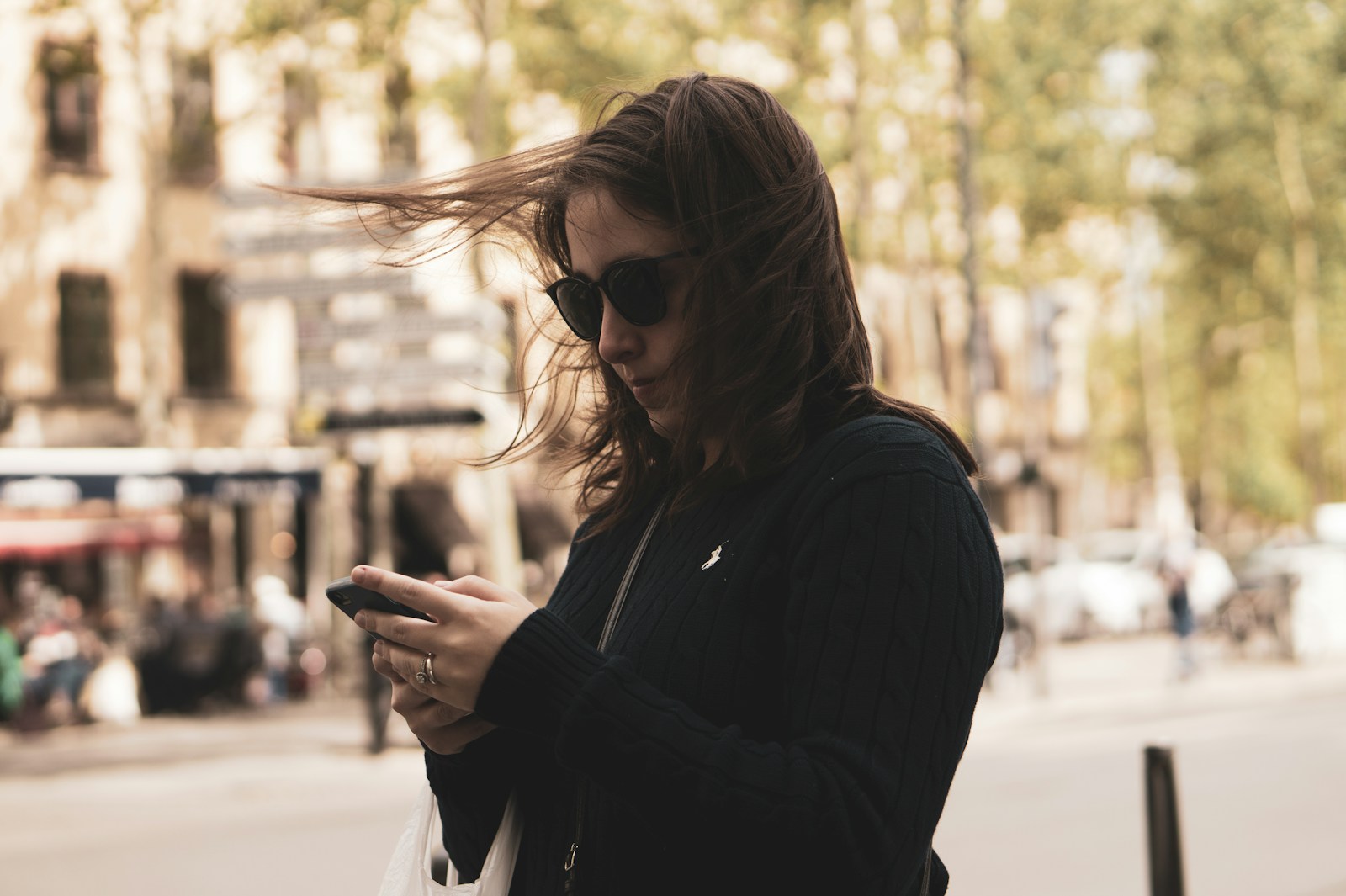
According to the poster, her father’s cancer diagnosis was just the beginning of a series of complex emotional burdens that he began to place on her. At 56, he frequently seeks solace in her room, venting about his childhood abuse and the pain he endures daily. The emotional toll of these conversations is compounded by her father’s insistence that she take on the responsibilities of organizing his life, which he attributes to her “lack of organizational skills.” Ironically, she is the one diagnosed with ADHD, not him.
Things escalated when the father began to express anger towards his daughter for not adequately supporting him. He reportedly locked himself in her room, telling her things like, “You’re the only person who understands me,” while imposing additional emotional burdens by discussing his failing marriage. In a distressing twist, he has also demanded that she repair the rift between him and her mother, further relaying the struggles of their relationship. “Can you imagine?” he asks her, bringing a childlike vulnerability that leaves her confused and distressed.
His remarks have taken a darker turn, with threats of self-harm if the family leaves him—statements that are as alarming as they are emotionally manipulative. “If any of us leave him, he will…” she recalls, unable to share the specifics, but the implication is clear: her father’s fear of abandonment is being channeled into an unhealthy expectation of her loyalty and support.
The young woman struggles to cope with her father’s emotional dependency, feeling more like a parent than a child in their relationship. “The last thing I want to hear is how my mum and dad are close to splitting up, and it’s up to me to fix it,” she admits, revealing the depths of her frustration and helplessness. It’s clear that the emotional burden she bears is both heavy and inappropriate for her age.
As readers weighed in on her harrowing experience, many expressed sympathy for the young woman. Some emphasized that her father’s behavior could be a form of emotional incest—where a parent relies too heavily on a child for emotional support, blurring the lines of their relationship. One reader noted, “It sounds like he is putting everything on you and not allowing you to be a child.”
Others were quick to highlight the manipulation inherent in her father’s threats. Many pointed out the dangers of emotional blackmail, recognizing the toll it can take on a child’s psyche. The consensus seemed to be that her father’s actions were not only unfair but also deeply damaging, trapping her in a cycle of guilt and responsibility that no daughter should have to bear.
Readers expressed concern over the lack of support from her mother in this dynamic, questioning why she was not stepping in to alleviate the burden from her daughter. “Your mother should be the one to help you, not the other way around,” one commenter remarked, echoing the sentiment that the roles in this family have become dangerously skewed.
Ultimately, the young woman’s story reveals a complex web of emotional turmoil and relational dysfunction. She longs for support and clarity in a situation that feels isolating and overwhelming. As she navigates her father’s demands, she is left grappling with the immense weight of responsibility thrust upon her at such a young age. The emotional fallout from this situation looms large, leaving both the daughter and her father in a precarious position.
More from Willow and Hearth:
Leave a Reply