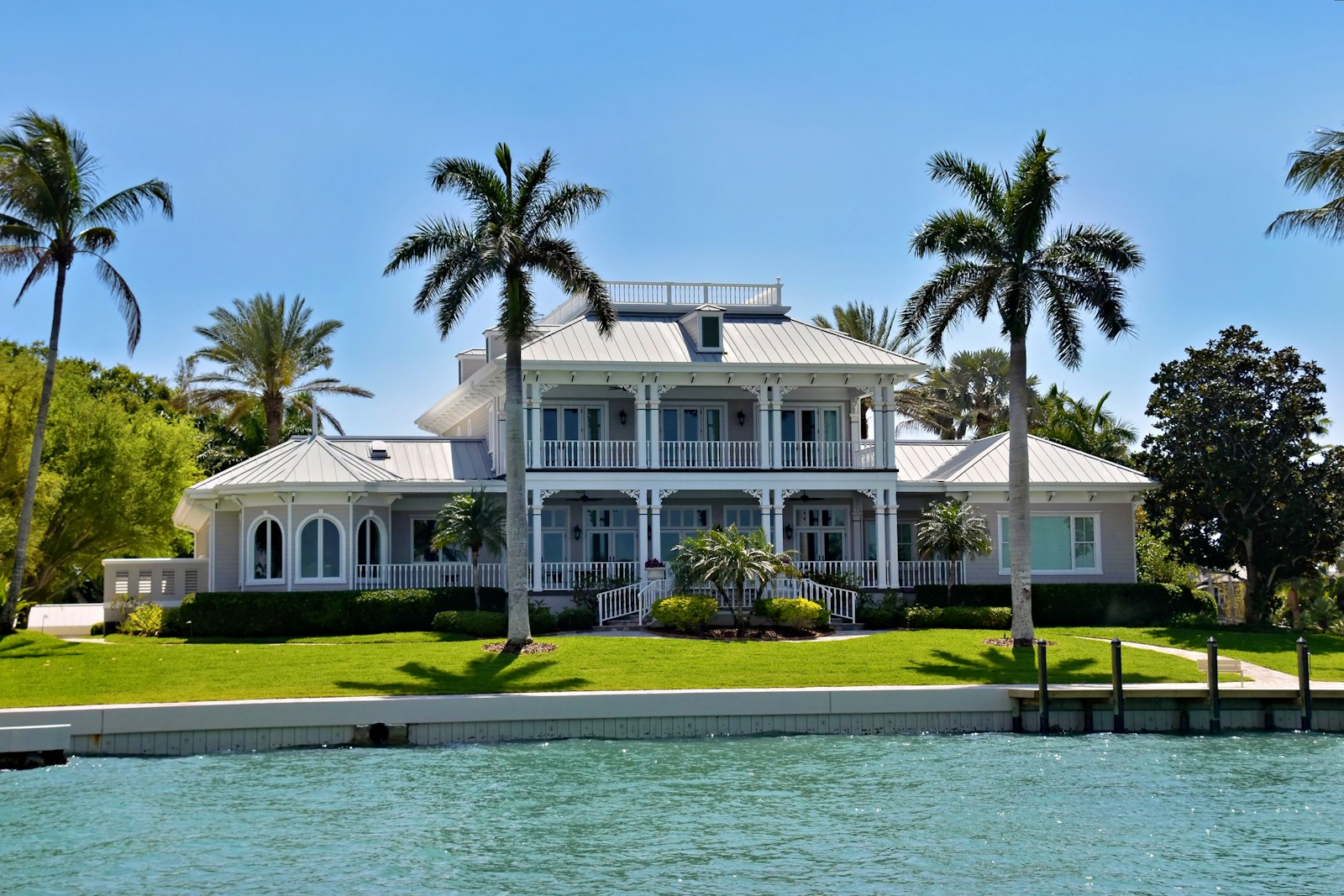
A Cape Cod homeowner has sued his own bank, arguing it never should have approved the $5.5 million mortgage on his waterfront mansion in the first place, according to Boston.com and The Boston Globe. The property sits on a bluff that is now showing signs of collapse, raising the possibility that the house could eventually slide into the sea, and the homeowner’s lawsuit puts the blame on the lender that signed off on the loan.
The suit centers on an unusual argument: rather than a buyer claiming they were misled about a property’s condition, this is a borrower claiming his own bank should have caught the risk before extending millions of dollars against it. Coastal bluff erosion is not a hidden defect that surfaces only after closing. It is typically visible and often documented well before a mortgage is underwritten, which is presumably why the homeowner believes the bank bears responsibility here rather than himself alone.

Cape Cod’s coastline has dealt with erosion concerns for years, as bluffs along parts of the peninsula continue to lose ground to wind, tides, and storm surge. Waterfront property in the region commands a premium precisely because of its proximity to the water, but that same proximity is what puts homes built on unstable bluffs at long-term risk. A $5.5 million price tag signals this was not a modest cottage but a substantial luxury property, which raises the stakes on both sides of the dispute.
The lawsuit puts pressure on a question mortgage lenders do not love answering publicly: how much due diligence should a bank actually perform on a coastal property’s geological stability before approving a loan of this size. Appraisals typically focus on comparable sales and structural condition rather than long-term erosion modeling, and it is not standard practice for lenders to commission bluff stability studies before underwriting a residential mortgage.
If the case moves forward, it could test whether banks have any legal obligation to flag known erosion risk to borrowers, or whether that responsibility falls entirely on the buyer and any inspectors or geologists they choose to hire independently. A ruling against the bank could reshape how coastal mortgage lending works across bluff-adjacent properties, not just on Cape Cod but anywhere waterfront real estate sits on ground that erosion has already started reshaping.
For now, the homeowner remains in a house sitting on a bluff that is, by his own legal filing, at risk of collapse, while the case works through whatever comes next for both the mansion and the mortgage that financed it.
Leave a Reply