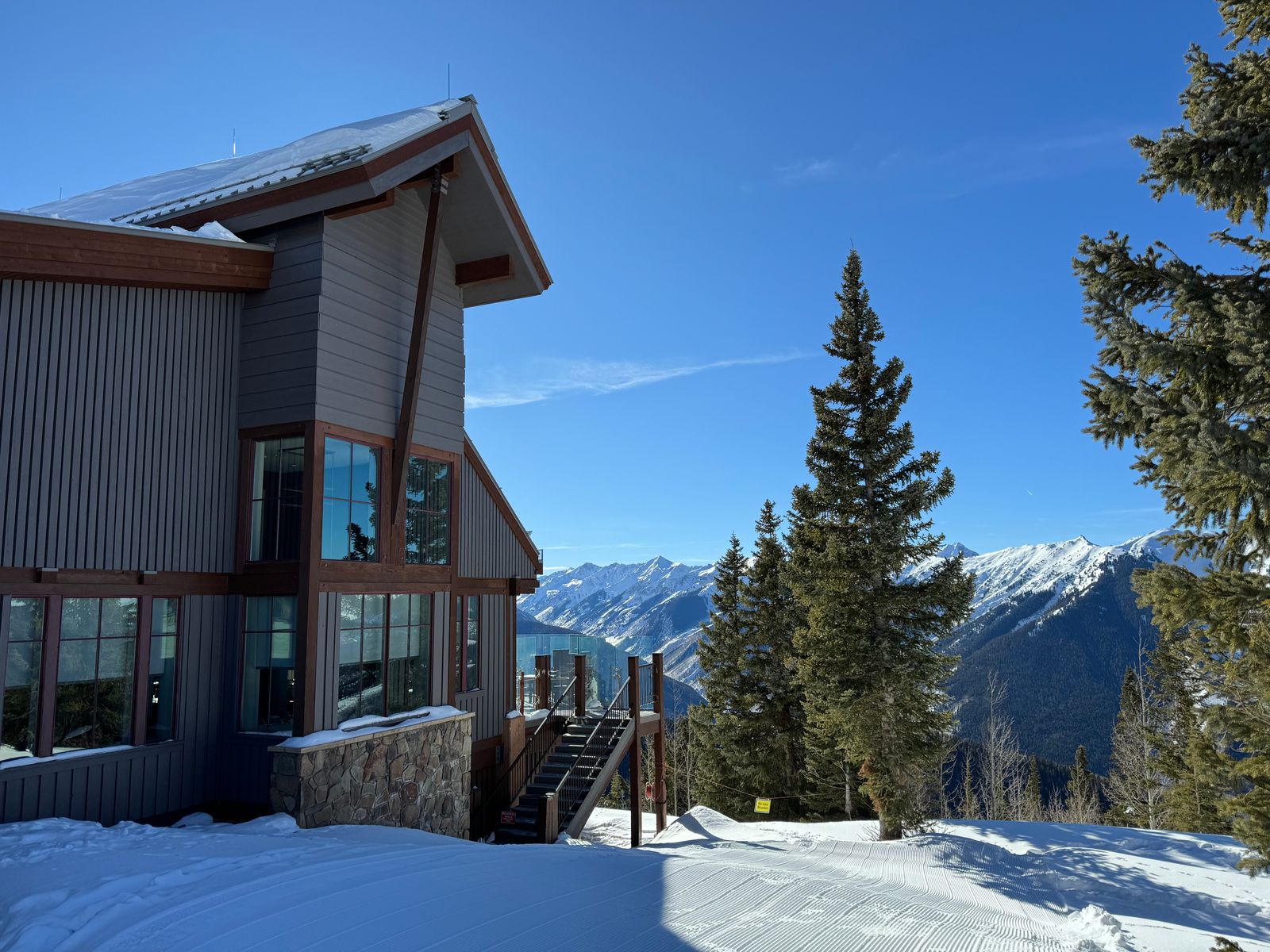
An Aspen mansion long favored by celebrity renters, including Rihanna, has sold for $63.5 million, according to a Wall Street Journal report published September 11, 2026. The seller is Todd Lemkin, chief investment officer at real estate investment firm Canyon Partners, and the sale lands squarely in the middle of a sharp cooldown in Aspen’s ultra-luxury housing market.

Key Points
- Sale price: $63.5 million, reported by the Journal and relayed by Engineers and Architects of America.
- Seller: Todd Lemkin, Canyon Partners’ chief investment officer.
- The home was previously rented by celebrities, including pop star Rihanna, during vacation stays.
- Buyer identity was not disclosed in available reporting.
- The deal closed as Aspen’s high-end market posted its weakest first half since the pandemic.
The property itself carries the kind of quiet-money pedigree common to Aspen’s top tier: privately held, rarely photographed for sale listings, and known in real estate circles chiefly through its rental history rather than a public marketing campaign. Neither available coverage nor the underlying Journal report identifies the buyer, a common feature of deals at this level that often close through limited liability entities.
What makes the timing notable is the broader market it’s landing in. Aspen and Snowmass posted their slowest first half since 2020 and 2021, according to a market report from longtime local analyst Tim Estin. Combined dollar sales across the valley fell 39% year-over-year in the first half of 2026, with Aspen proper down 43% in dollar volume and unit sales off 39%. Homes priced above $10 million dropped 39% in dollar volume, with 43% fewer transactions than the same period in 2025, and even the rarefied $20-million-plus segment saw sales slip from 16 to 12.
Estin attributes the slowdown to a mix of headwinds rather than any single cause: underwhelming ski conditions, geopolitical tension in the Middle East, tariff uncertainty, elevated costs, and general affordability fatigue even among buyers who don’t need financing. He frames it as caution rather than distress, noting that owners who’ve already banked years of appreciation feel little pressure to cut prices just because fewer buyers are shopping. Similar patterns, he adds, are showing up in comparable resort markets like Jackson Hole and the Hamptons.
For a market accustomed to bidding wars and off-market “shadow” deals during its hottest years, a $63.5 million closing amid a 39% sales decline is a reminder that even trophy properties aren’t immune to a cooling cycle, they just tend to find buyers anyway.
Leave a Reply