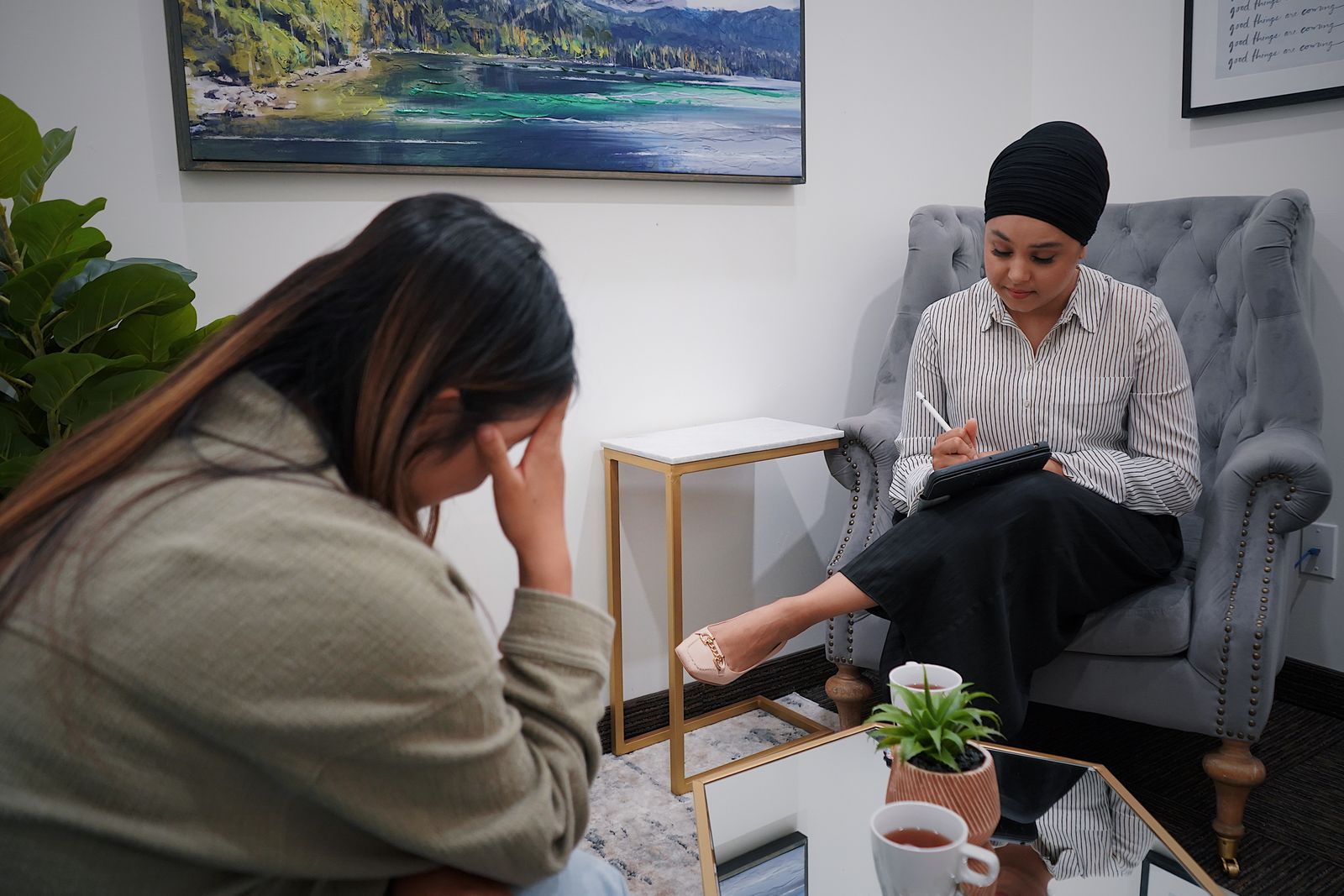
A woman grappling with Complex Post-Traumatic Stress Disorder (CPTSD) has reached a turning point in her relationship with her husband, who has resisted her pleas for therapy while their lives have spiraled into turmoil. Despite an unsettling emotional environment, she has taken matters into her own hands, causing tension in their marriage as she seeks the healing she desperately needs.

The poster’s journey began months ago when a doctor recommended trauma-focused therapy, a suggestion made in front of her husband. However, each time she broached the topic of therapy, he dismissed it due to financial constraints. She was led to believe that they were barely scraping by, only to discover that her husband had saved thousands of dollars in an emergency fund, funds he had never mentioned to her. This revelation left her feeling betrayed, particularly as she watched her mental health decline.
Months of managing CPTSD symptoms took their toll. She described her daily life as being stuck in “survival mode,” marked by heart palpitations, constant hypervigilance, and anxiety. The poster felt her husband’s dismissive attitude toward her condition, as he viewed the limitations of their budget as more pressing than her deteriorating health. “I genuinely believe that if I can get into a healthier environment, get proper therapy, and finally get out of fight-or-flight mode, I’ll be able to think clearly again and contribute financially,” she explained.
When her husband announced that he believed therapy would be beneficial—a stark contrast to his earlier claims that it was unaffordable—she had already made the decision to act. She scheduled an appointment with a trauma-informed therapist, using her credit card to do so. The urgency of her situation demanded immediate action; she could no longer wait for her husband to come around.
Adding another layer of complexity to the situation, the poster expressed her desire to move to a different area, a plan initially supported by her husband before they had children. Now, as she attempts to create a healthier living environment to facilitate her healing, he began pushing back against the idea. When she suggested a short trip to explore the area together, she offered to put the expenses on her credit card with the promise of paying it off once they sold their house, where they stood to gain nearly $100,000 in equity. Yet, even this seemed too much for him.
As the poster’s health continued to spiral, the emotional disconnect grew more evident. She struggled to understand how her husband could witness her struggles day after day without feeling an urgent need to help change their circumstances. “I feel like I’m screaming that I’m not okay,” she lamented. Each conversation about therapy or a potential move repeatedly veered back to financial limitations, leaving her feeling unheard and frustrated.
Reactions from readers showed a mix of compassion and bewilderment. Many focused on the financial implications, discussing how a lack of transparency and communication in their financial decisions set a tone of distrust. Others empathized with the poster’s struggle, having faced similar situations where they had to prioritize their well-being over a partner’s reluctance. Some urged her to continue prioritizing her health, noting that sometimes individuals must take the initiative to seek help, even when faced with resistance from their significant others.
The tension in the couple’s dynamic culminates in an ongoing struggle: while the poster seeks aid for her mental health, her husband continues to rationalize his financial concerns over her emotional needs. The stark contrast between her urgent quest for healing and his hesitance to support her creates a chasm in their relationship that is becoming increasingly difficult to bridge. As she prepares for therapy, it remains to be seen how this choice will ultimately impact their future together.
More from Willow and Hearth:
Leave a Reply