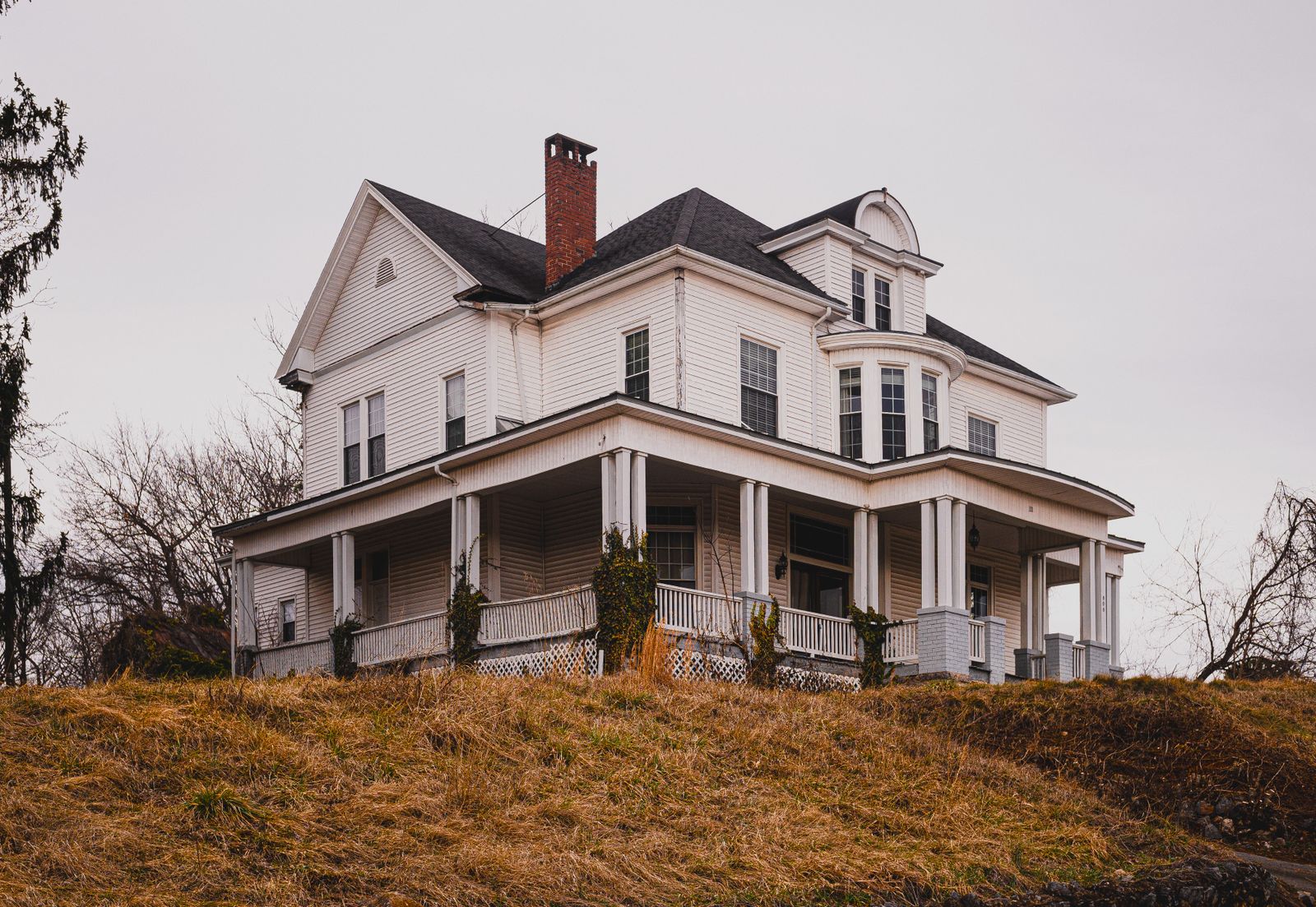
Tatiana Pimentel put her life savings into her first home in DeKalb County, Georgia, in 2024. Now she and her partner, Obren Cicmil, are fighting to keep it, not by writing a check, but by demanding a jury decide whether their homeowners association actually has the right to take it.
From roughly $8,000 to a claimed $20,000
The couple’s home sits in Whitehall Forest East, where the condominium association filed for foreclosure in October 2025 over an initial debt of nearly $8,000 in unpaid dues, according to Atlanta News First. By the time the case reached a court appearance on August 24, the association’s attorney was citing a debt closer to $20,000 once monthly dues and legal fees were layered on top. Pimentel says she has no clear accounting for how the number climbed that fast, describing a total that had roughly doubled from where the case started.
Rather than settle or walk away, the couple is demanding a jury trial, an unusual move in HOA foreclosure disputes, where homeowners more often either pay under pressure or lose the property through an expedited process. The judge overseeing the case postponed a ruling on that request in order to review the matter further, with the next hearing set for September 23.
A board president who was never elected
What makes the couple’s fight more than a dues dispute is what their attorney, Candace Sneed of DeKalb Pro Bono, has been uncovering about the association’s own leadership. Current HOA president Dean Heard reportedly became president after the board removed a previous president, without ever standing for a formal election, and there is no state registration listing him as the association’s official president. Residents have told Atlanta News First they have not received meeting notices or been given a chance to vote on association business, a pattern that raises real questions about whether the fines and fees being assessed against homeowners were approved through any legitimate process at all.
The association’s finances add another layer. Whitehall Forest East is reportedly carrying $5.1 million in unpaid water bills, a debt so large that Atlanta News First covered it as its own story back in April, and Heard has said only about 40% of homeowners currently pay their dues. There is also a 2022 police report alleging that a previous HOA president diverted $3,550 in closing costs into a personal business account, a detail that, true or not, illustrates just how little oversight has apparently existed inside this particular association’s books.
A fight the couple’s attorney took on personally
Sneed has taken the case on as a personal cause, framing her involvement as a commitment to making sure a homeowner does not lose a property without a real day in court. Her strategy centers on the association’s own paperwork, betting that a closer look at Whitehall Forest East’s financial and governance records will undercut the foreclosure claim entirely. That bet is effectively what a jury trial would put to the test, forcing the association to produce and defend its accounting in front of people who are not already invested in either side.
A title insurance policy tied to the couple’s home purchase has offered some help in the interim, with a $9,600 check being held as a good-faith payment while the case proceeds, but that figure alone does not close the gap the HOA says is owed.
New state law arrives too late to help
Georgia lawmakers have taken notice of cases like this one. A new HOA oversight law, SB 406, is set to take full effect in January 2027, aimed at reining in exactly the kind of governance gaps, unelected boards, opaque fee increases, and murky finances, that Pimentel and Cicmil’s attorney says she is finding in Whitehall Forest East’s records. For this couple, the law arrives too late to matter directly, and their case will be decided under the rules that exist today.
What happens next depends on that September 23 hearing and whatever the couple’s legal team turns up once it gets access to the association’s financial documents. For two homeowners who put their savings into a first house, the stakes are as simple as they get: whether an unelected board with a history of disputed finances can take that house away over a debt whose size, so far, no one outside the HOA has been able to fully explain.
Leave a Reply