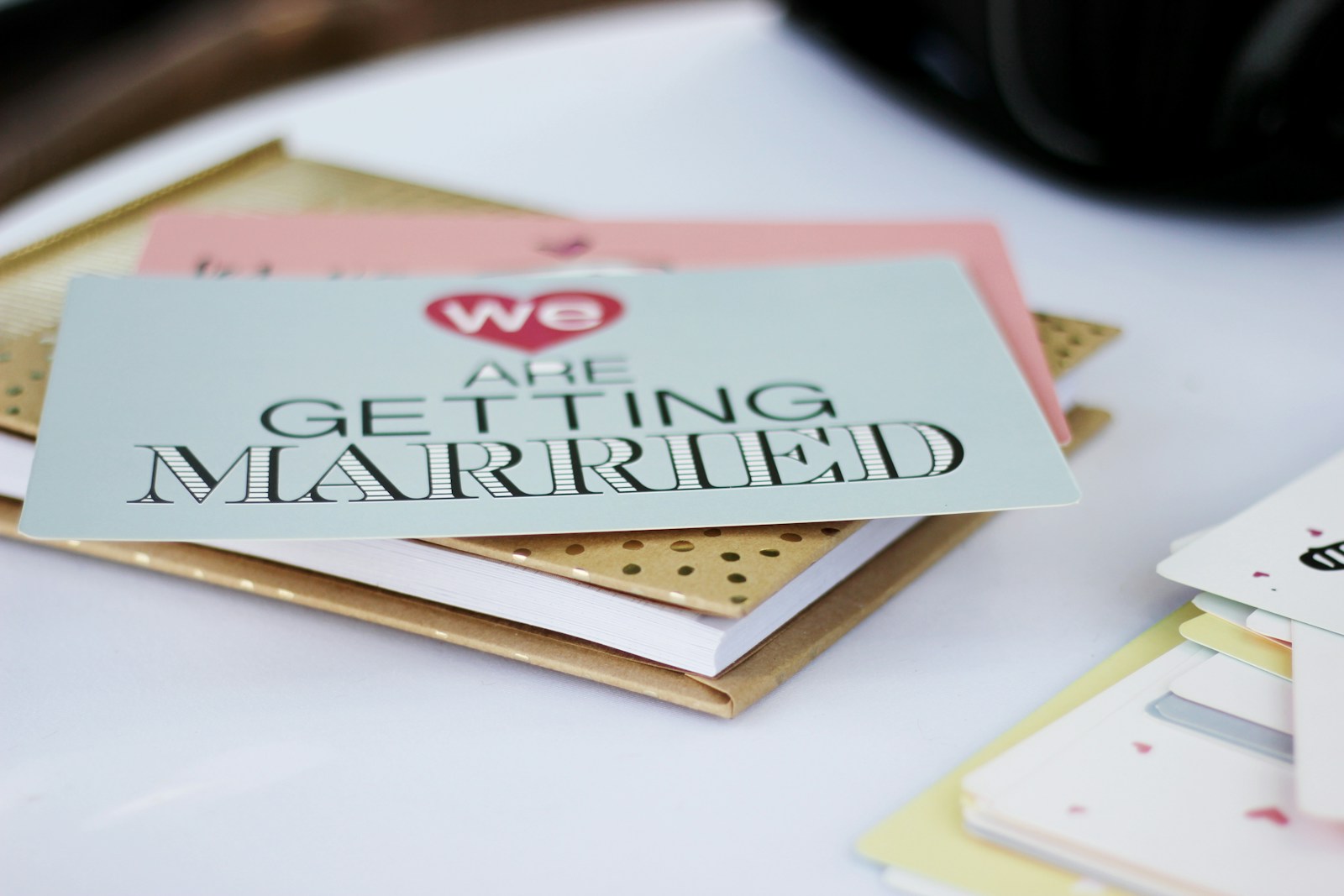
A couple’s wedding announcements sent out more confusion than joy when many recipients believed they were invited to the nuptials. To clarify, the bride took to social media, revealing that the only intention behind the announcements was to provide a QR code for their gift registry. The sheer audacity of this move left many scratching their heads and ignited a flurry of online chatter about etiquette and entitlement surrounding modern wedding traditions.

The couple excitedly prepared to tie the knot and opted to send out wedding announcements, perhaps envisioning joyous responses from friends and family. However, the initial excitement quickly turned into bewilderment when numerous recipients mistakenly interpreted the mailing as an invitation. Realizing the misunderstanding, the bride decided to address it head-on by posting a video on social media. In her video, she emphatically stated, “You’re not invited. That’s just the link to buy us stuff.” This straightforward declaration caught many off guard.
The couple’s intention was not to include attendees at their ceremony, which will reportedly be a private affair. Instead, they sought to draw attention to their registry—a modern twist in wedding announcements that many have not encountered before. The bride was clear in her explanation, insisting that the QR code was specifically for those wishing to contribute to their wedding gifts, and nothing more. The announcement was an effort to make their intended message crystal clear: they weren’t interested in hosting a grand celebration, but they certainly wouldn’t turn down gifts.
As the drama unfolded, the internet became a breeding ground for mixed reactions. Users were left pondering the couple’s rationale and the implications of such a move in the context of wedding traditions. Some found humor in the situation, remarking on the unconventional approach to seeking gifts without extending invitations. Others, however, felt an overwhelming sense of disbelief, questioning whether it was appropriate to send out announcements that excluded recipients from the actual celebration.
Comments varied widely, with some individuals focusing on the perceived entitlement behind the couple’s decisions. “I get that weddings can be expensive, but asking for gifts without even inviting people seems a bit over the top,” one user stated. This sentiment resonated with many, who felt that the couple could have approached the situation differently, perhaps by sending out invites for a small reception instead. Others simply enjoyed the comedic angle of the matter, quipping that it was a “bold move” to announce a wedding without letting anyone attend.
In stark contrast to those who found the situation amusing, a segment of commentators questioned the appropriateness of sharing such a message at all. “What’s next? A wedding announcement that’s just a note about a honeymoon fund?” one commenter pondered, highlighting the absurdity of the scenario. The situation has sparked a deeper conversation about the changing landscape of wedding etiquette, where the lines between celebration and commercialization seem increasingly blurred.
Despite the uproar, the bride maintained her stance, standing firm in her decision to use social media to clear the air. As the couple prepares for their nuptials, the reception of their unconventional announcement likely remains a topic of lighthearted debate among friends and family. Yet, the couple may find themselves navigating a landscape where perception matters just as much as the gifts they receive.
More from Willow and Hearth:
Leave a Reply