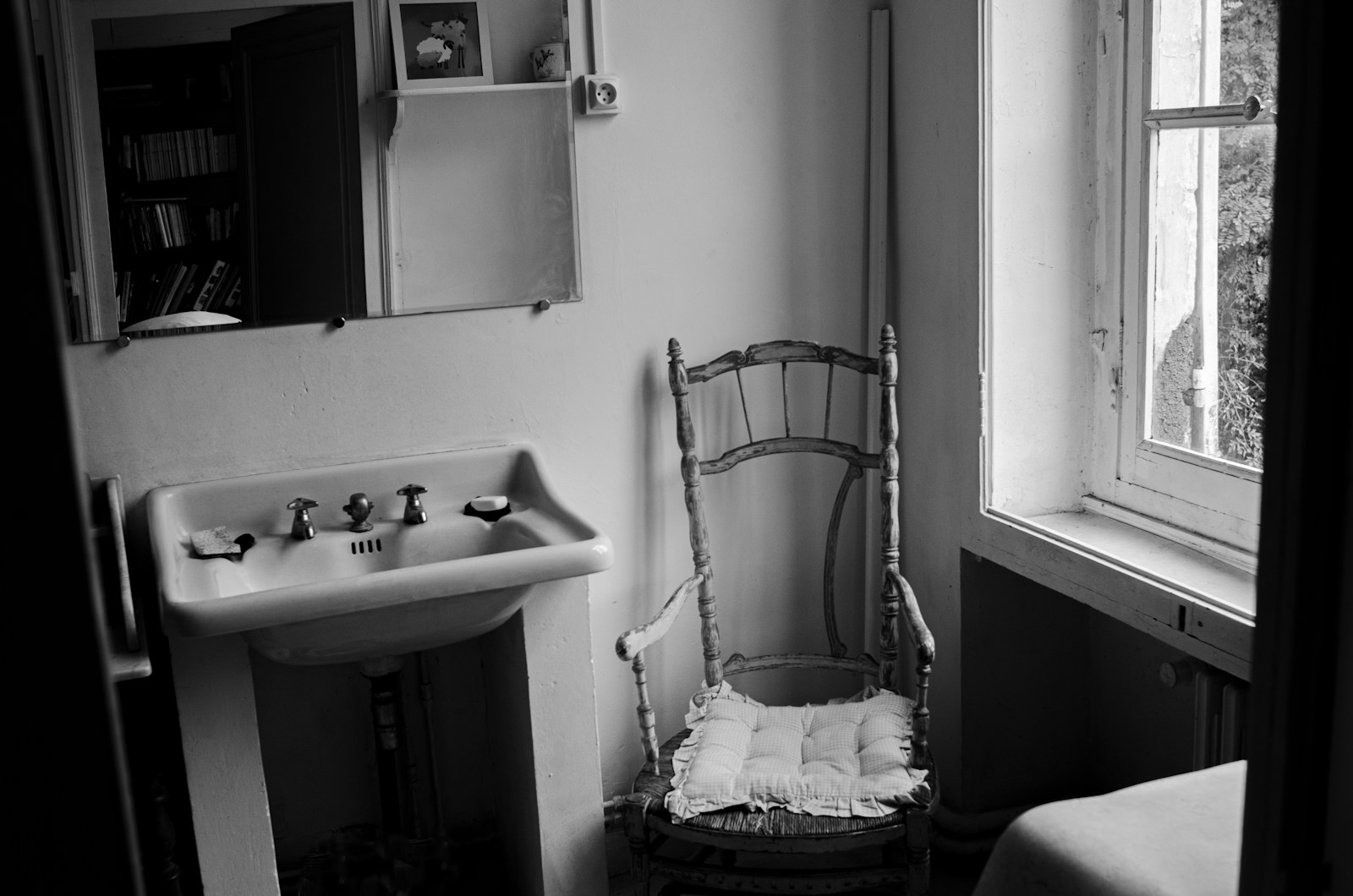
A bathroom stuck in its original 1970s finishes has become one of the most reliable subgenres of home renovation content, and it is not hard to see why: pink and mint tile, dark wood vanities, and a footprint often barely large enough to turn around in create exactly the kind of dramatic before-and-after contrast that makes a reveal genuinely satisfying to watch, regardless of how small the actual square footage involved turns out to be.
Why These Bathrooms Stayed Untouched for So Long
Full bathrooms built in the 1970s tend to be structurally sound enough that homeowners for decades simply lived with dated finishes rather than tackling a renovation, particularly in starter homes and smaller houses where a bathroom remodel competes against other, more urgent expenses for limited renovation budgets. The result is a substantial inventory of homes still carrying original period tile and fixtures, giving renovation content an essentially endless supply of dramatic transformation candidates.
What Makes the Small-Footprint Reveals Hit Differently
A tiny bathroom renovation carries a specific kind of tension that a larger remodel does not: every design decision is constrained by inches rather than feet, forcing genuinely creative solutions — a corner shower instead of a tub, a floating vanity to preserve floor space, vertical storage in place of cabinets that would eat into an already cramped footprint. Viewers and readers consistently respond to the reveal of just how much function a renovator managed to pack into a space that looked hopeless in the before photos, which is a large part of why tiny bathroom transformations outperform larger, more conventional remodels in engagement even when the larger project involved a bigger budget and more dramatic finishes.
The Recurring Design Choices That Define the Genre
Renovators tackling these spaces consistently gravitate toward the same toolkit: large-format tile to make a small room read as larger, a single accent wall rather than tile throughout to control cost, glass shower enclosures instead of curtains to preserve sightlines, and lighter, more reflective finishes replacing the dark wood and saturated color palettes that defined the original 1970s design. The pattern has become common enough that design writers now treat “small bathroom, big transformation” as its own established renovation category rather than simply an outcome of budget constraints.
Why the Format Keeps Working
Unlike whole-house renovations that can feel aspirational and financially out of reach for most readers, a tiny bathroom transformation reads as genuinely achievable — a single room, a contained budget, and a before-and-after that even a homeowner with a modest renovation fund could realistically picture replicating in their own dated 1970s bathroom. That relatability, more than any single design trend, is likely what keeps this specific genre of renovation reveal a durable fixture of home design coverage rather than a passing fad.
Leave a Reply