A basement that sits unfinished for years tends to become the default dumping ground for anything a household does not know what else to do with. Creator @spjute_strong.fit shares the one-year anniversary of a very different outcome: a dark, unused basement turned into a fully equipped, high-end home gym.
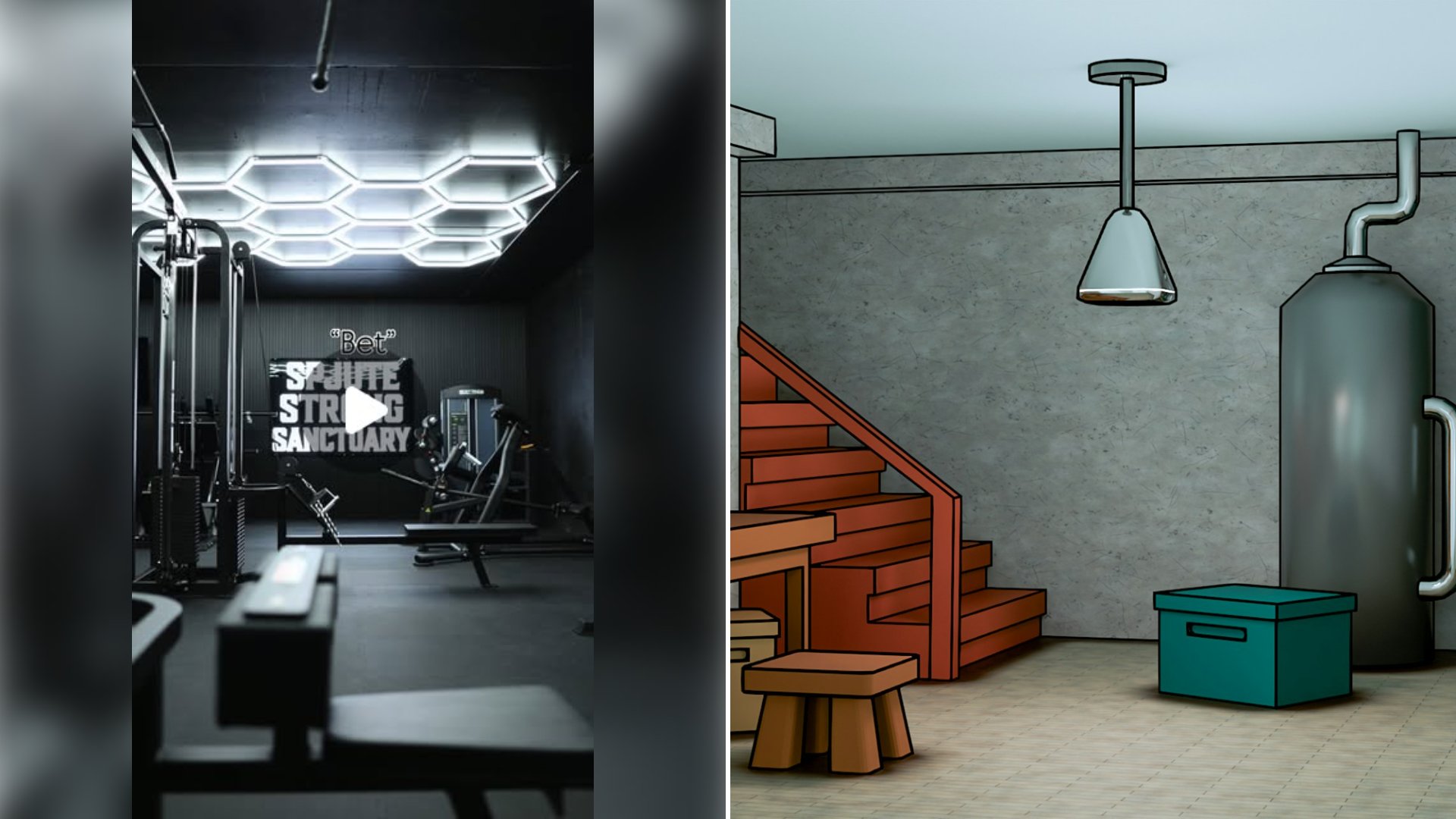
The before-and-after contrast is stark: a dim, unfinished space with bare concrete and exposed framing gives way to a bright, purpose-built gym with proper flooring, equipment, and lighting. Posting it as a one-year anniversary update rather than a fresh reveal adds something most renovation content skips, real proof that the space gets used, not just a one-time transformation that looks good on camera and then sits forgotten. In the caption, the creator calls the gym one of the greatest investments the household has made.
A home gym is one of the few basement conversions where the payoff is measured in use rather than resale value alone, and a full year of consistent workouts in the space is a meaningfully stronger endorsement than a brand-new build that has not yet been tested by daily life.
What it typically costs to turn a basement into a home gym
Converting an unfinished basement into a usable home gym space involves several cost categories that add up quickly. Flooring is usually the first priority, since basement concrete is hard, cold, and unforgiving for workouts, and rubber gym flooring or interlocking foam tiles are common solutions, typically priced per square foot depending on thickness and whether the flooring needs to handle heavy equipment like a squat rack or dropped weights. Basements also frequently need moisture control addressed before any flooring goes down, since below-grade spaces are prone to dampness that can damage both flooring and equipment over time, which can mean a dehumidifier or in some cases a more involved waterproofing step.
Lighting and ventilation are the next major line items. Basements typically have limited natural light and lower ceilings than above-grade rooms, so a functional gym space usually needs upgraded overhead lighting and sometimes additional ventilation or a dedicated fan system to manage heat and humidity during workouts. Electrical work to support that lighting, plus outlets for any powered equipment, adds further cost if the basement’s existing wiring is not sufficient.
Equipment itself is the most variable cost of all, ranging from a modest setup with a rack, a bar, and a set of plates to a fully built-out space with cardio machines, a full dumbbell range, and specialty equipment. Homeowners converting a basement into a long-term gym space generally spend meaningfully more upfront than a commercial gym membership would cost in a single year, but unlike a membership, the investment keeps paying off in convenience and access for as long as the household uses the space, which is exactly the kind of long-term value this creator says the past year has confirmed.
More from Willow and Hearth
- Homeowner Gives Up His Guest Bedroom to Build His Wife a Dream Closet and Admits He Never Thought Through How to Move the Heavy Furniture Alone
- Homeowner Remodeling His House After Work Says He Is a 24 Year Old Dad on a Tight Budget as Part 48 Starts a Downstairs Bathroom Built From Scratch
- Idaho Builders Show a Grain Bin in a Dry Open Field Becoming a Finished Home With Tall Windows, a Loft Staircase and a Bedroom in 11 Seconds
Leave a Reply