When a stranger walks onto your job site, most builders brace for a fight. Atlanta developer @patricklhenderson says it went the other way, and that it was the best thing that could have happened.
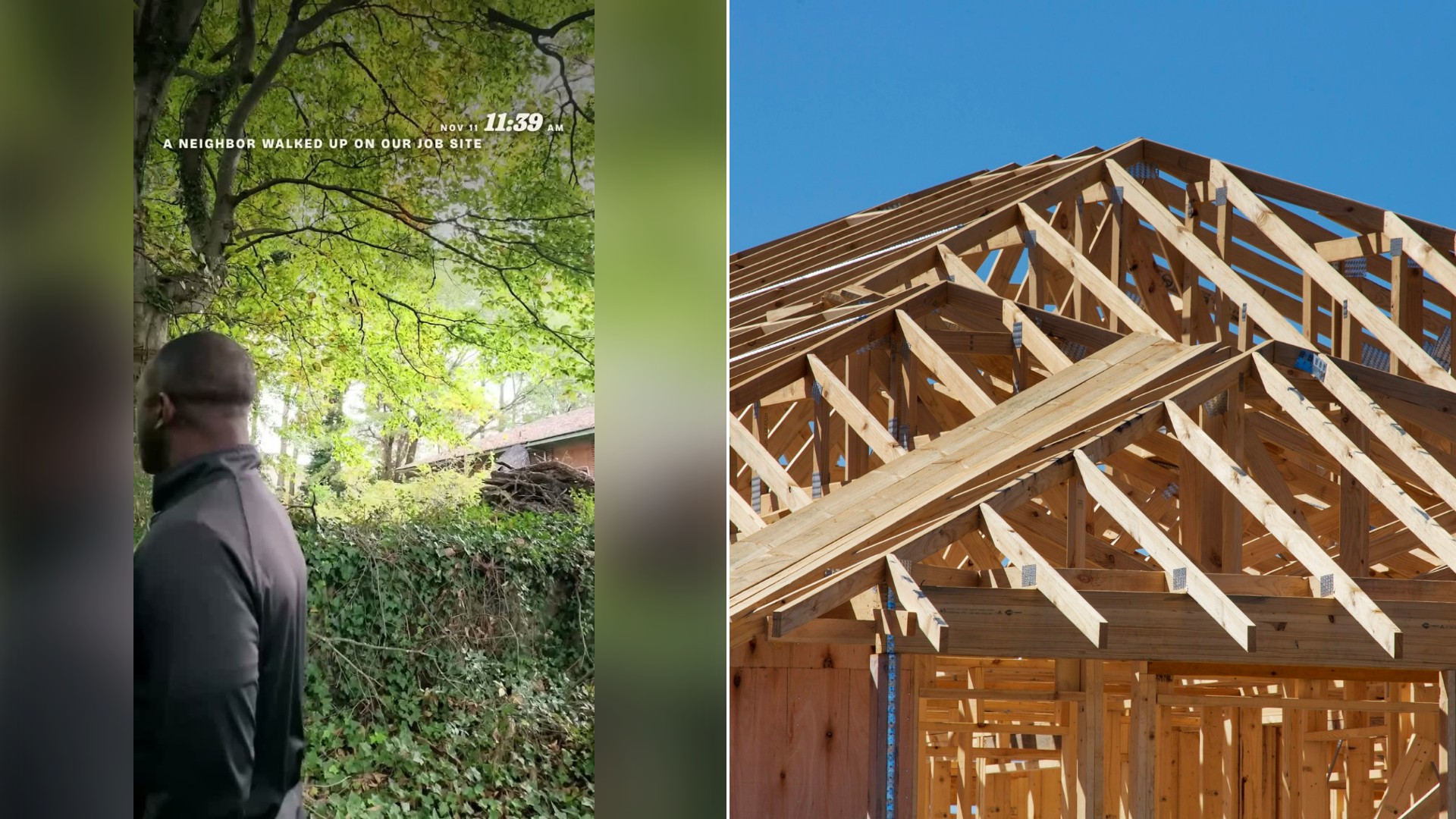
His post opens with a plain statement: “A neighbor walked up on our job site. Best thing that could have happened.” Then he turns the moment into advice for anyone planning to build.
His rule is short and easy to remember. Before you build a new home in Atlanta, meet the people who live next to your lot.
View this post on Instagram
Meet The Next Door Neighbors Before Your First Shovel Hits The Dirt
The developer lays out a simple plan for a first conversation. Show them the plan, handle their drainage worry before they ask, and trade numbers.
That is three small steps, and none of them cost money. The point is to make the neighbors feel included before they feel surprised. Nobody likes waking up to a bulldozer on the lot next door with no warning.
He sums up the payoff in a single line: “One neighbor on your side tells the whole street.” On a quiet block, news travels by porch and driveway, and a friendly neighbor is better advertising than any sign.
Show Them The Plan And Let Them See What Is Coming
People fear what they cannot picture. A set of drawings on a tailgate can turn a vague worry into a clear answer. How tall will it be? Where will the driveway go? Will it block the afternoon light?
Bring a site plan and, if you have one, a simple sketch of the front of the house. Point out where trees will stay and where fences will go. Let them ask questions and listen to the answers.
You may learn something too. Neighbors know the lot better than any surveyor. They remember where water pools after a storm, where the old fence line really sits and which tree roots wander far from the trunk.
Handle The Drainage Worry Before They Ask
Water is a common worry when a new house goes up next door. A house, a driveway and a patio add hard surfaces, and rain that used to soak into the ground has to go somewhere. Atlanta gets plenty of heavy storms, and red clay does not drain quickly.
That is why the developer tells builders to bring up drainage first. When you raise the topic yourself, you show you have thought about it. You also get a chance to explain your plan, whether that means grading, gutters, downspout extensions or a drainage swale.
If you are a builder or a homeowner hiring one, ask the contractor how stormwater will be handled and get it in writing. Check the local rules, because many cities require erosion controls during construction and have limits on runoff onto neighboring property.
Trade Phone Numbers So Small Problems Stay Small
The third step may be the most powerful. Give neighbors a number to call before they call the city.
A muddy street, a blocked driveway, a dumpster in the wrong place and early morning noise can all be fixed with one text message. If neighbors can reach you directly, problems get solved in an hour instead of becoming a complaint on file.
Set simple ground rules and share them. Let neighbors know the usual working hours, where workers will park and when big deliveries are due. Warm and clear communication costs little and buys a lot of goodwill.
Tips For Homeowners Who Are About To Be The Neighbor
This advice works from both sides of the fence. If a new house is going up next door to you, introduce yourself to the crew and ask who is in charge. Get a name and a number.
Take photos of your property line, driveway, fence and any cracks in your foundation before work starts. If something gets damaged, you will have a record to point to. Ask polite questions about the schedule and the plans.
Most builders want the same thing you do, which is a smooth project and no surprises. A friendly first conversation sets the tone for the whole job.
Keep The Promise After The Handshake
A friendly introduction only works if you follow through. If you tell a neighbor the crew will be gone by five, make sure they are. If you promise to repair a damaged curb, put it on the schedule.
Check in now and then, even when nothing is wrong. A quick message about when the framing starts or when the concrete truck arrives shows respect. Most people only ask to be treated like neighbors instead of obstacles.
At the end of the job, thank them. A short note or a small gift, such as a gift card to a local coffee shop, closes the loop and leaves the street on good terms.
The Small Hello That Can Save Weeks Of Headaches
Construction is stressful enough with weather, supply delays and inspections. Adding an angry neighbor can slow things down even more, with complaints, stop work calls and bad feelings that last for years after the house is done.
A short visit with a printed plan and a friendly face goes a long way. That is the lesson tucked inside a quick Atlanta post: respect the people who live next door, and they will often return the favor.
So if you are about to build, put a visit to the neighbors on your checklist right between permits and groundbreaking. It is free, it is kind and, as this developer says, it may be the best thing that ever walks onto your site.
More Stories You May Like
- HOA Tells Elderly Neighbor To Re-Sod Her Yard For Thousands, So He Scalps The Weeds And Tests The Soil Himself To Get The HOA Off Her Back
- Police Show Up At A 92 Year Old French Woman’s Home After Neighbors Complain About Noisy Frogs In Her Pond, And She Says They Play With Her Fish And Are Her Entertainment
- Lawn Pro Says Throwing Grass Seed Down In Mid November Is A Trick That Works, But Get The Timing Wrong And You Waste All The Seed
Leave a Reply