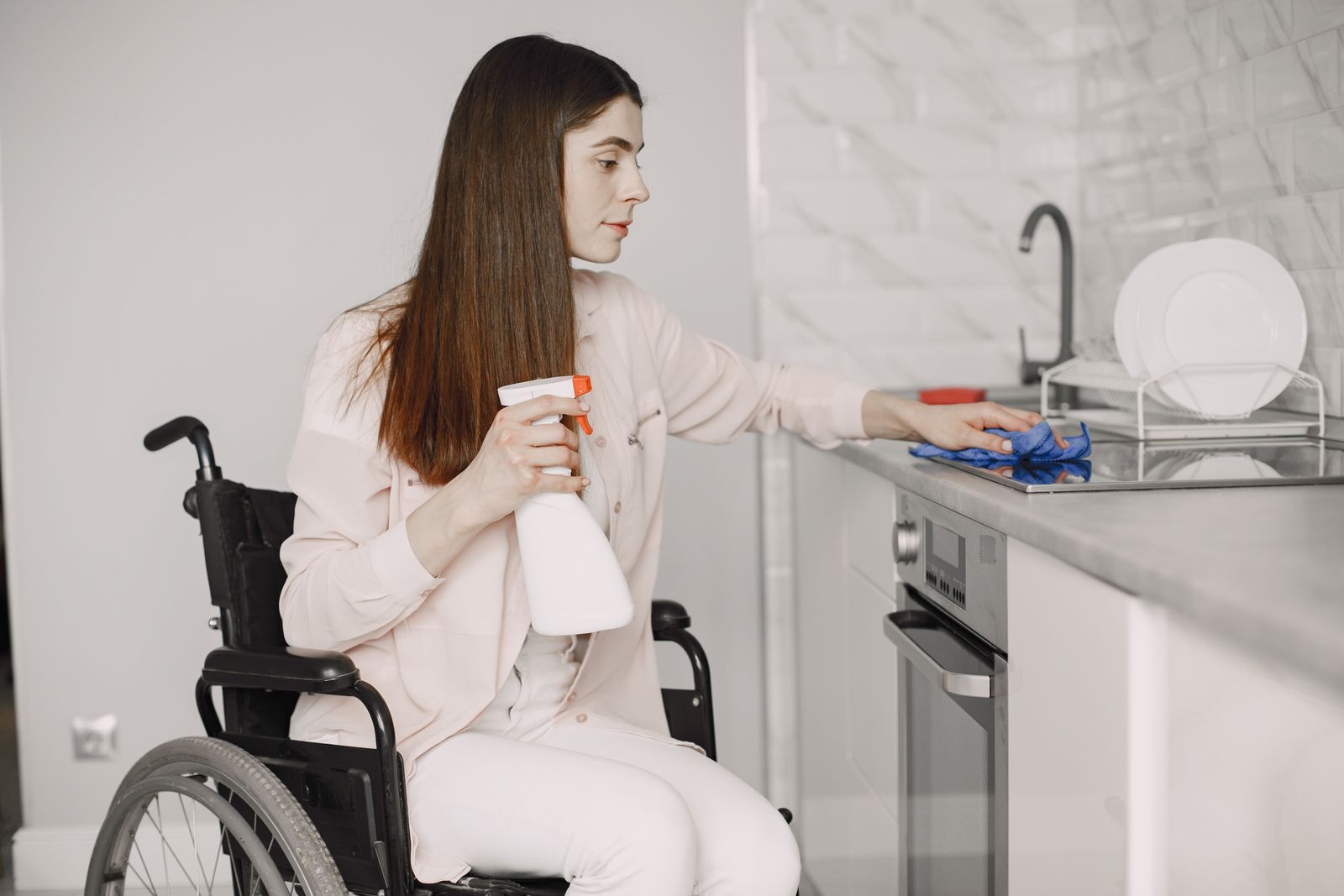
In a shared home of six housemates, a tale of frustration unfolds as one tenant, who faces the daily challenges of living with a disability, finds herself picking up the pieces—and the trash—left by the others. After a thorough cleaning spree that left her aching, she learns that her efforts to maintain their shared living space are met with indifference from her housemates, particularly one who claims he is “hardly there” and shouldn’t be expected to contribute to household chores.
This tenant lives with another disabled individual, a man over 70, and while she is understanding of his limitations, the lack of support from their younger housemates paints a different picture. Recently, she undertook a grueling cleaning session, scrubbing every nook and cranny of their home despite being in constant pain. There she was, balled up in discomfort, using her cane to steady herself as she tackled the grimy lining of the shower and scrubbed the entire kitchen. A commitment to a clean living environment runs deep for her, fueled not only by a desire for cleanliness but also by a sense of pride in her home.
The saga escalated when she forgot it was Sunday, the day normally reserved for taking out the trash. For over a month, she had been reminding one of the younger housemates to help her with this simple task, only to find that he had blocked the bins with his car. When she confronted him about the missed pickup, his response was dismissive: “I’m hardly here, why can’t someone who is home more do it?” This remark stung, suggesting that her disability relegated her to a secondary status as a housemate, one expected to do the heavy lifting while others sidestepped their responsibilities.
As she reflected on the situation, it became clear to her that her housemates perceived her as something of a free maid service, someone who could be relied upon to handle the cleaning while they went about their lives without concern for their shared environment. Her frustration was palpable as she expressed how she is expected to do “everything” simply because of her condition. The irony is not lost on her: the very housemate who feels entitled to avoid chores is the one who blocks access to the trash cans, effectively taking away her ability to manage their mess.
Reactions to her predicament highlight a widespread sense of disbelief at the behavior of her younger housemates. Many readers focused on the underlying tension in shared living situations, especially when it comes to uneven responsibilities. The poster’s commitment to maintaining a clean home while managing her own disabilities garnered sympathy and support, with many agreeing that her treatment was unfair. Several commenters chimed in, emphasizing that everyone in a shared living space, regardless of their circumstances, should contribute fairly—especially when it comes to simple tasks like taking out the trash.
Others pointed out that the entitlement displayed by the dismissive housemate was a larger symptom of a societal issue, where those with disabilities are often overlooked in terms of their capabilities and expectations in communal living. The poster’s call for accountability resonated with many, further amplifying the sentiment that everyone should pull their weight in a shared environment. In a household that includes individuals with varying levels of mobility and ability, kindness and cooperation should reign supreme.
Despite the overwhelming support from readers, the poster remains in a difficult position. She is faced with not only the physical strain of maintaining the household but also the emotional toll of feeling unappreciated and taken for granted. As she strives to uphold her standards for cleanliness despite her challenges, she is left grappling with the realization that some of her housemates may never understand the added effort it takes to clean and maintain their shared home. The question lingers: How long can she continue to shoulder this burden alone, and will her housemates ever recognize their role in the shared responsibilities of their household?
More from Willow and Hearth:
Leave a Reply