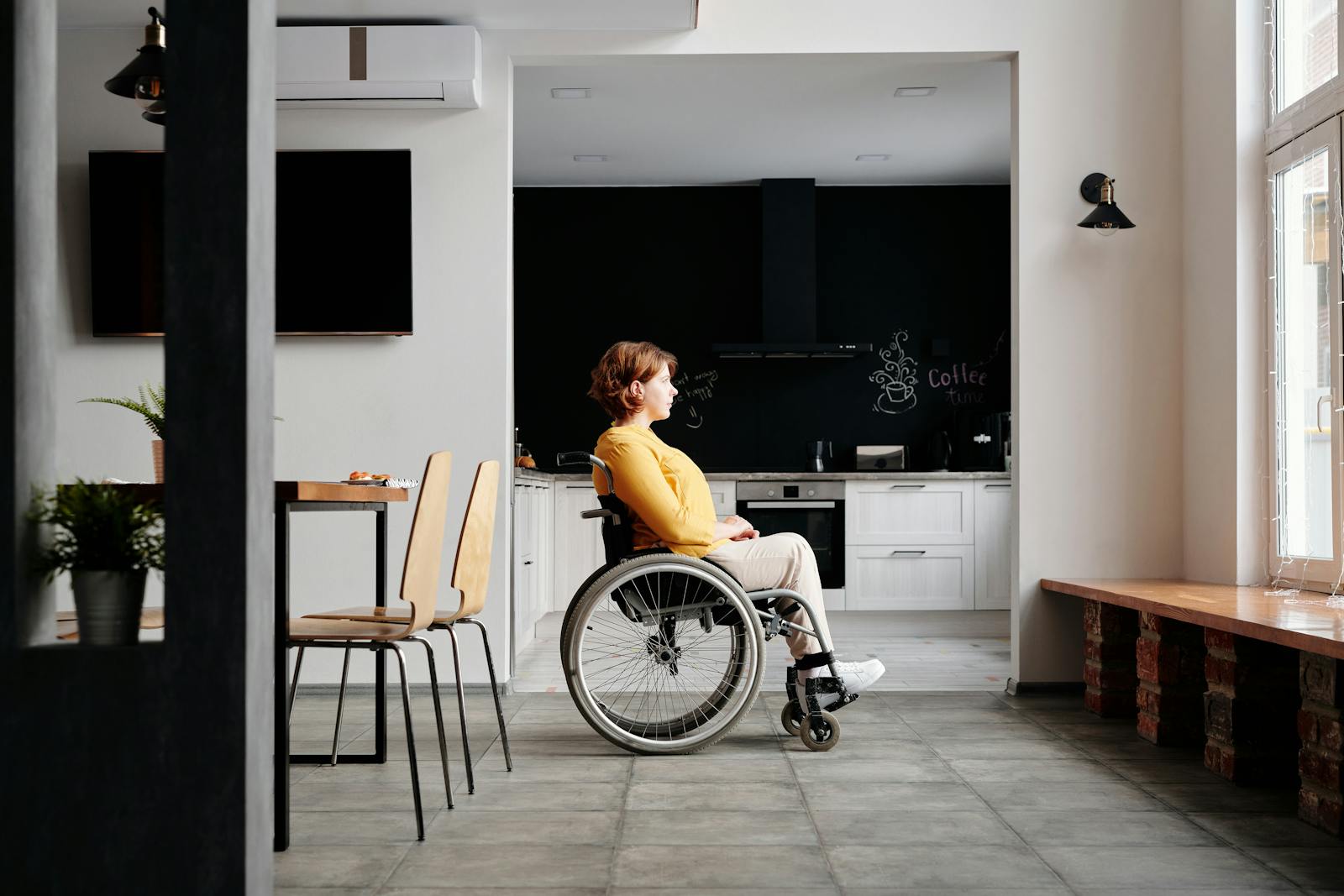
In a troubling story emerging from a suburban neighborhood, a disabled woman, who has spent years adjusting to life after losing her mobility due to a drunk driving accident, finds herself increasingly frustrated by the bizarre and intrusive behavior of her next-door neighbor. This ongoing saga highlights the challenges many face when living with disability in a world that often lacks understanding and respect for personal boundaries.
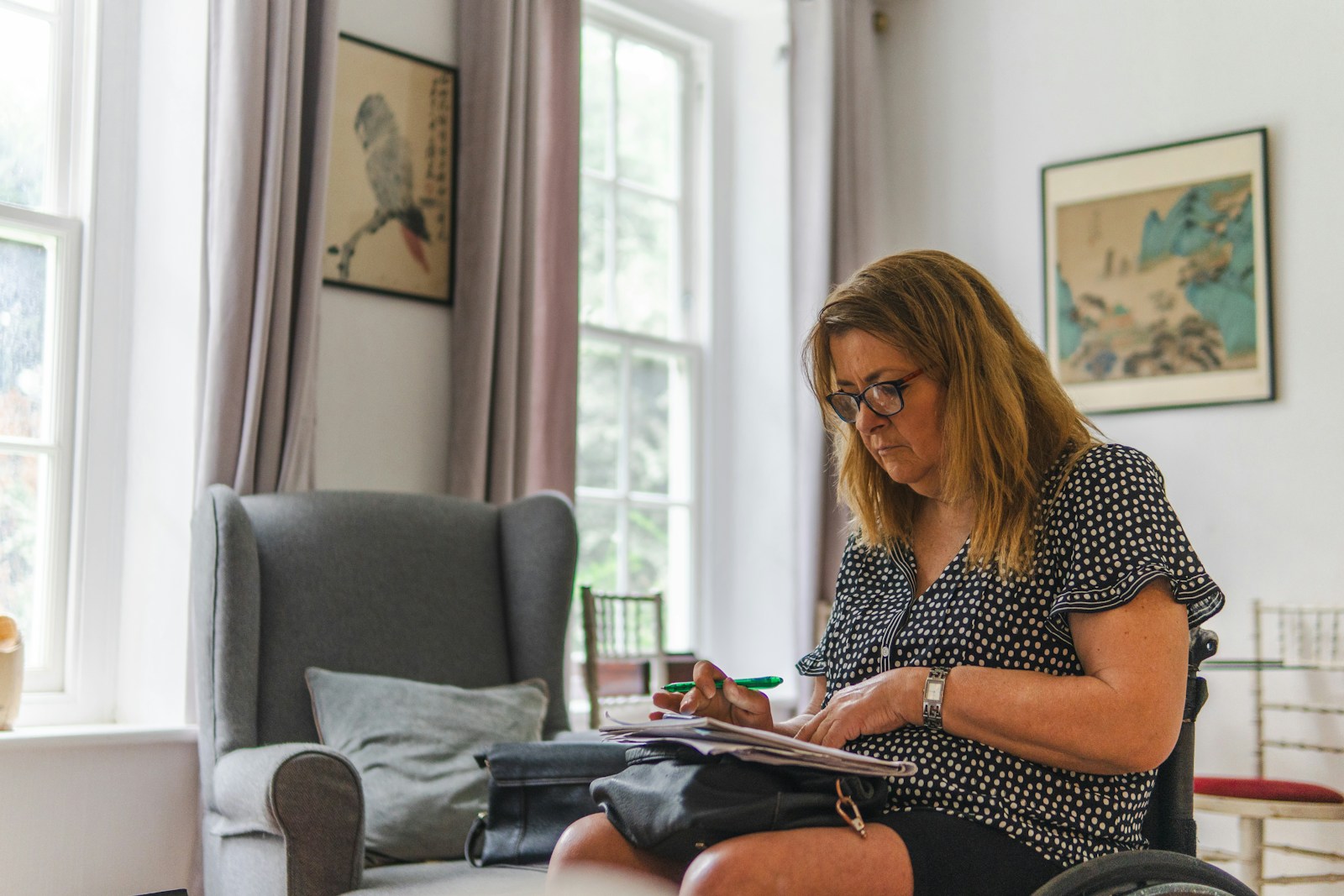
The woman, who has chosen to remain anonymous, has been visibly disabled for several years. While she acknowledges the significant challenges associated with her condition, she has worked hard to cultivate a positive outlook. “I’ve accepted that I’m never going to get better, and in some ways, that’s made it a lot easier to be happy,” she commented. “I still have so much to be grateful for.” However, her neighbor’s persistent fixation on her health has become an unwelcome source of stress.
Over the past year, the neighbor’s behavior has escalated alarmingly. Initially, it began with her expressing a strong belief in alternative medicine. Following the opening of a local alternative treatment center by a friend of hers, the neighbor became convinced that this treatment could miraculously cure the disabled woman. Despite the unsolicited advice and unwelcome theories—including claims that 5G technology and chemtrails were responsible for her condition—the disabled woman has tried to remain polite, often brushing off these conversations with vague responses like, “That’s interesting, thank you for sharing.”
However, the situation took a significant turn when the neighbor confronted the disabled woman’s husband in their front yard. In what can only be described as a bizarre and aggressive interaction, she claimed to have received a divine message from Jesus, instructing her that the disabled woman was not following proper medical advice. “She became extremely agitated and told my husband that I needed to get that medical treatment and that I was being irresponsible not to,” the woman recounted. The neighbor’s fervor was compounded by her sharing inaccurate medical details about the disabled woman, details that were never disclosed to her, adding yet another layer of invasion into their private lives.
For the disabled woman, this encounter marked a troubling breach of boundaries, especially as her husband was pulled into a situation that should have remained private. “To me, this crossed the line,” she stated. “She’s holding herself out as a medical authority, misrepresenting not just my medical situation but also my competence.” As neighbors began taking sides, some even arguing that her visible aide makes her disability everyone’s business, the disabled woman felt increasingly isolated and misrepresented in her own community.
Living with a disability is already fraught with challenges, from societal misconceptions to personal battles, and having a neighbor who perpetuates misinformation can compound these difficulties. “I’ve had it with this,” she exclaimed, looking for solutions on how to manage the constant harassment from someone she’s forced to see regularly.
For those who have dealt with similar situations of unsolicited advice and boundary violations, this narrative is unfortunately all too familiar. It raises critical questions about personal autonomy and the implications of living with a visible disability in an often-intrusive society. For the disabled woman, it’s not just about her health; it’s about respect and the need for the community to understand how to treat its members with dignity.
As she navigates this complex dynamic, it becomes crucial for individuals to establish clear boundaries and communicate their needs effectively. For many, finding the right strategies to address unwanted attention and advice can be challenging, especially when it involves neighbors or acquaintances. Whether it’s through direct communication or community support mechanisms, it’s essential for people to feel safe and supported in their choices regarding health and mobility.
In a society where disability is often misunderstood, this story serves as a reminder that compassion and respect are necessary components of community living. While the journey may be fraught with hurdles, it’s vital for individuals to assert their rights to autonomy and privacy in the face of unsolicited opinions and advice.
More from Willow and Hearth:
Leave a Reply