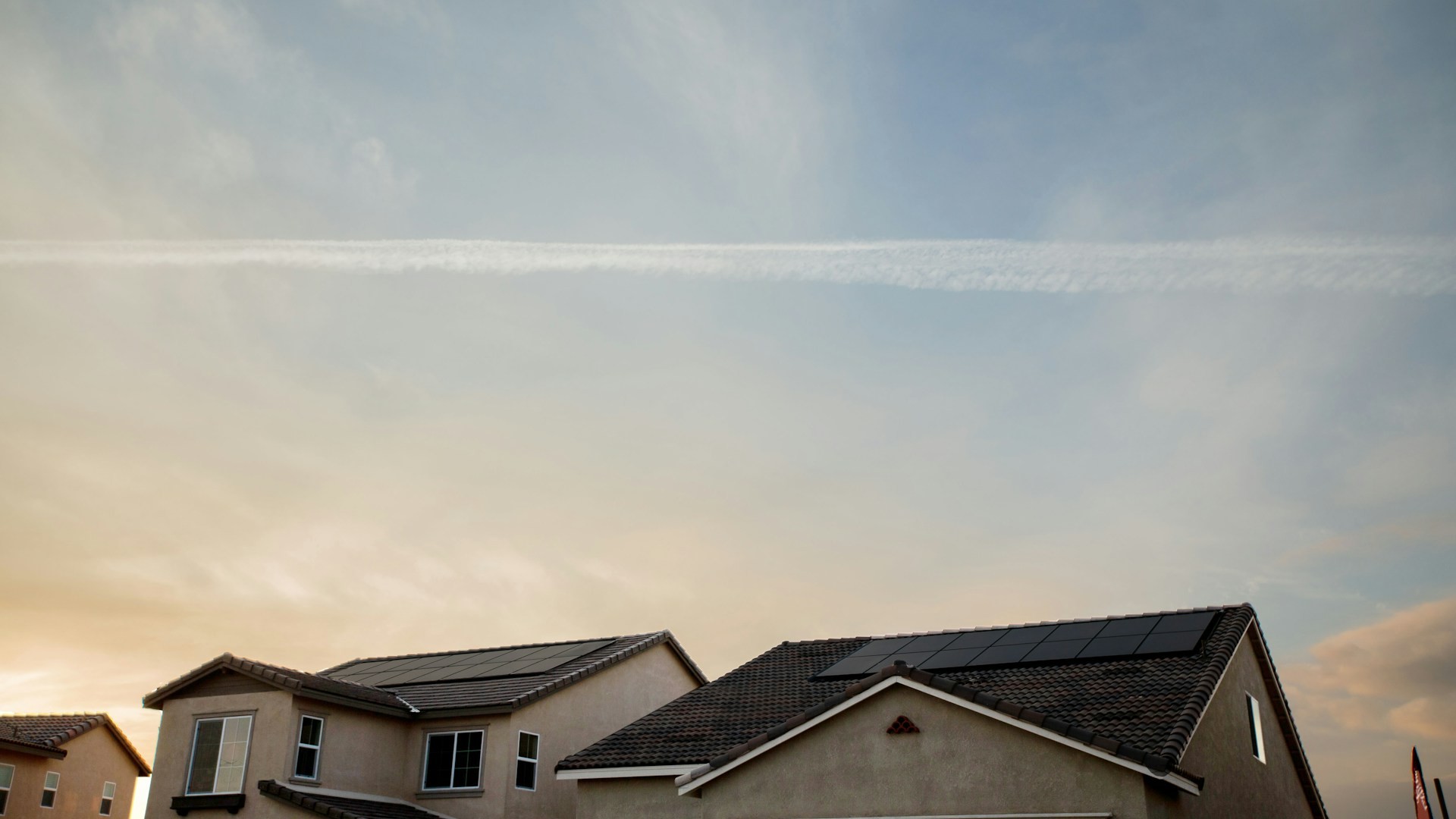
The knock comes on a sunny afternoon. A friendly salesperson says your neighbors are already saving, that new solar panels or a roof upgrade will cost little or nothing up front, and that the paperwork takes ten minutes. It sounds like a cheap way to improve the house. But what you sign at the kitchen table can follow your property for years.
Door-to-door pitches for solar and home improvement are not all bad, and plenty of honest companies sell this way. Still, the financing behind the offer is where homeowners get surprised, so it pays to slow down.
Two Different Deals Get Lumped Together And They Are Not The Same
Two terms come up again and again in solar sales: PPA and PACE. They sound alike and are often mentioned in the same breath, but they are different arrangements, and mixing them up is a common mistake.
A PPA, short for power purchase agreement, generally means a company owns the solar system on your roof and you agree to buy the electricity it produces at a set rate. You do not own the panels, and the contract may run for many years with rate increases built in.
PACE stands for Property Assessed Clean Energy. It is a financing program, offered only in certain areas, that pays for energy or home improvements and is then repaid through your property tax bill.
PACE Financing Can Tie Repayment To Your Property Taxes
This is the one to read most carefully. With PACE, the repayment shows up as an assessment on your property tax bill, so it is tied to the property rather than only to you as a borrower. If you fall behind, the consequences can be like falling behind on property taxes.
In many programs, that assessment can take priority over your mortgage, and mortgage lenders may care about it. That can complicate selling your home or refinancing, because the balance may have to be settled or the buyer may have to agree to take it on.
PACE rules vary by state and locality, and some places have added consumer protections. The point is not that PACE is always a bad choice. The point is that you should know exactly what you are signing, because it can be paid back like a tax.
A PPA Can Come With Its Own Strings Attached To The House
Because the company owns the panels in a PPA, the agreement often includes terms about what happens if you sell. Some contracts require a buyer to take over the agreement, and some allow the company to record a notice against the property to protect its interest.
That notice can show up when a buyer’s lender does a title search, so a home with a PPA can take extra work to sell. Read the sections on transfers, early termination, rate increases and what happens if the system fails.
Ask for a copy of the full contract and take it home. Do not accept a summary sheet, and do not let anyone make you feel rushed.
Know Your Right To Cancel And Use It Before The Window Closes
For many sales made at your home, the Federal Trade Commission’s Cooling-Off Rule gives buyers a three day right to cancel. The seller is generally required to tell you about that right and give you a form that explains how to cancel.
Exceptions and extra rules exist, and state laws can add their own protections. Some transactions, such as certain emergency repairs, may not be covered. Rules for financing agreements and solar contracts can differ as well, so do not assume a universal cancellation right applies.
The practical advice is to ask the salesperson, in plain words, how and by when you can cancel, and to find that language in the paperwork. If you change your mind, cancel in writing, keep a copy, and send it in a way that gives you proof of delivery.
Questions To Ask Before You Sign Anything
A good salesperson will answer these without squirming. A pushy one will dodge them.
- Is this a loan, a lease, a PPA or a PACE assessment?
- Who owns the equipment, and who holds the financing?
- Will anything be recorded against my property, and if so, what?
- What is the full price over the life of the deal, with interest and fees?
- What happens if I sell the house or refinance?
- What are the rate increases, and do they rise every year?
- What is the cancellation deadline, and how do I do it?
Get every promise in writing. If a salesperson says there are no payments, or that the savings are guaranteed, make sure that statement appears in the contract, because verbal promises do not help you later.
Red Flags That Mean It Is Time To Close The Door
Be wary of anyone who says an offer expires today, who refuses to leave a copy of the contract, or who says the government is paying for the work. Be careful, too, if the salesperson suggests a signature on a tablet is just a formality to see if you qualify.
Check that the company is licensed in your state and has a real track record, and look up complaints with your state attorney general or consumer protection office. Many places require door-to-door sellers to have a permit, so ask to see one.
Talk with your mortgage lender or a trusted advisor before you agree to anything that attaches to your property. If you are on a fixed income, bring a family member to the conversation.
Shop Around Before Any Door Knock Decides For You
If you want solar or a home upgrade, get at least three written quotes, and compare cash prices, loan terms and lease or PPA terms side by side. Ask your utility about incentives and look into conventional loans, which are often simpler to understand.
Take your time. A good deal on a roof or a solar system will still be a good deal next week, and a company that will not wait for you to read the contract is telling you something.
The lesson is simple. A door-to-door pitch that sounds cheap may carry a long commitment, so read the PACE or PPA fine print, ask what gets recorded against your home, and use your cancellation window if you have second thoughts.
More Stories You May Like
- Cheap Vinyl Plank That Dents Skipped Underlayment And Ignored Subfloor Moisture Make Flooring Regret Expensive So Take Samples Home First
- Home Improvement Scams Rank Fifth Riskiest In America With A Median Loss Of $1,405 And They Top The List Of Scams That Start With An In Person Pitch
- Inspector Walks Into A Cheap Early 1900s House In A Rough Neighborhood And Finds A Split Beam Holding Up The Whole House On Chunks Of Concrete
Leave a Reply