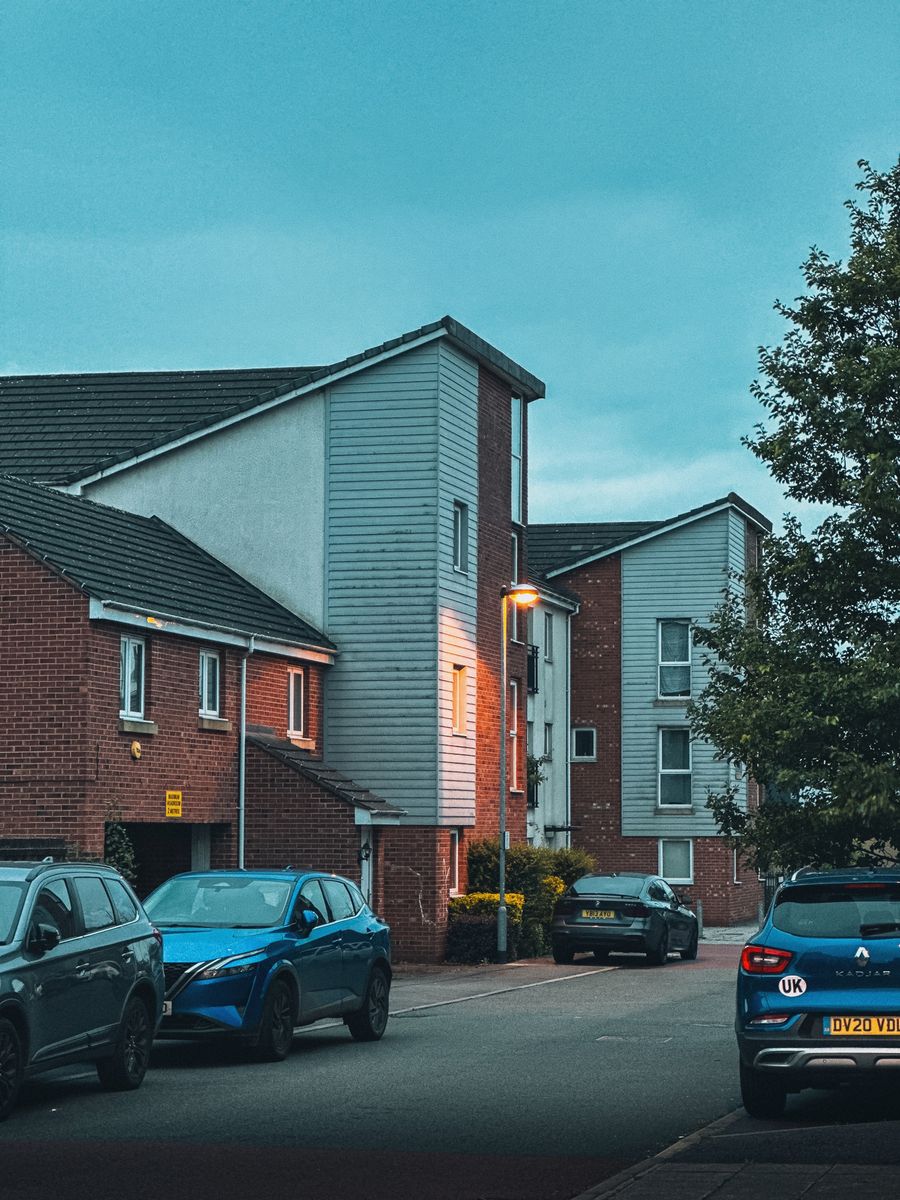
Police in one Minnesota suburb have responded to the same shared driveway more than 230 times in a single year — not for a break-in or a fire, but for an unresolved standoff between two neighboring families over who controls which section of the pavement, according to reporting by Moneywise. The case, out of Shakopee, Minnesota, is an extreme version of a conflict that plays out quietly in thousands of neighborhoods: two houses, one driveway, and no precise modern agreement about where one household’s rights end and the other’s begin.
How a shared driveway turns into a stalemate
Neighbors Juan Salas and Jessica Keil have shared a driveway for decades, and the current standoff started over something mundane: where each of them is allowed to park. Salas says Keil has repeatedly parked in what he considers his section; Keil says she has trouble accessing her side from the alley and needs the shared space to get in and out. What began as a parking disagreement escalated into hand-painted warning signs, security cameras and floodlights aimed at the neighboring yard, and reciprocal restraining orders that both sides have violated at least once, according to court records cited in the report. Local police have logged more than 260 hours responding to the address, at a cost city officials estimate runs into the tens of thousands of taxpayer dollars.
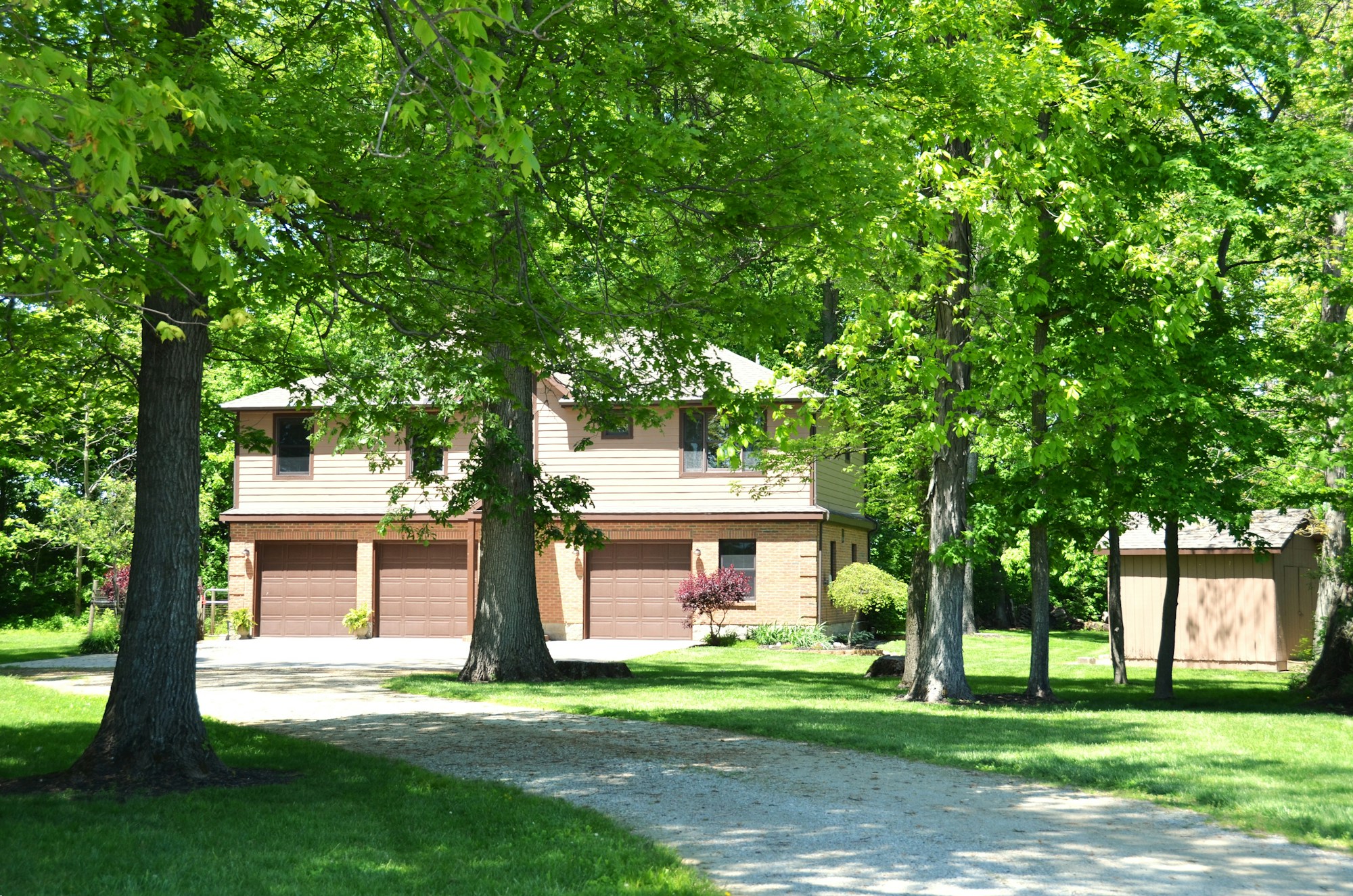
What makes a case like Shakopee’s so hard to referee is the same thing that makes shared driveways a recurring headache nationally: most of them were never precisely mapped for daily use. A deed might establish that an easement exists, granting one or both households the legal right to cross the pavement, but deeds rarely specify who parks where, who shovels what, or what happens if a household resurfaces the asphalt and, intentionally or not, shifts the practical boundary a few inches in their own favor. Real estate attorneys who handle these disputes note that a shared driveway easement typically defines the right to pass over the land, not ownership of the surface itself, a distinction that becomes explosive the moment one side treats “my half” as fixed and the other side disagrees, according to legal guidance published by McLane Middleton and Einhorn, Harris, Ascher, Barbarito & Frost.
Why repaving is often the trigger
Attorneys who litigate these cases point to a specific moment that reliably turns a tense but livable arrangement into a legal fight: new asphalt. When a homeowner repaves without ordering a fresh survey first, the new surface almost never lands exactly on the old lines, and unlike a fence or a hedge, a driveway offers no obvious visual marker for where one household’s rights end and the other’s begin. Neighbors who coexisted for years over an informally understood boundary can suddenly find themselves staring at a resurfaced strip that looks, and functions, differently than the one they grew up parking on. Because so few shared driveways come with a recorded, foot-by-foot agreement, disputes tend to land exactly where Shakopee’s did: not in a quiet conversation, but with a call to police, a lawyer, or both.
Cities have limited tools to referee these fights once they start. Officers can respond to specific incidents — a blocked car, a property-damage complaint, a violated restraining order — but police generally cannot resolve the underlying property question, which usually requires a civil court to interpret the original easement language or order a new survey. That leaves neighbors enforcing a decades-old, often unwritten arrangement with modern legal tools built for something far more precise, and it explains why cases like this one tend to drag on for years rather than resolve in a single hearing.
The pattern repeats often enough that real estate agents increasingly flag shared driveways as a caution point during home inspections, urging buyers to request a written, recorded maintenance and use agreement before closing — the kind of document that, had it existed decades ago in cases like Shakopee’s, might have kept a parking disagreement from turning into a years-long standoff with a police file attached. Absent that paperwork, a shared driveway stays what it has always legally been: a right held jointly and understood unevenly, right up until somebody repaves, resurveys, or calls the police often enough to force the question into a courtroom.
Leave a Reply