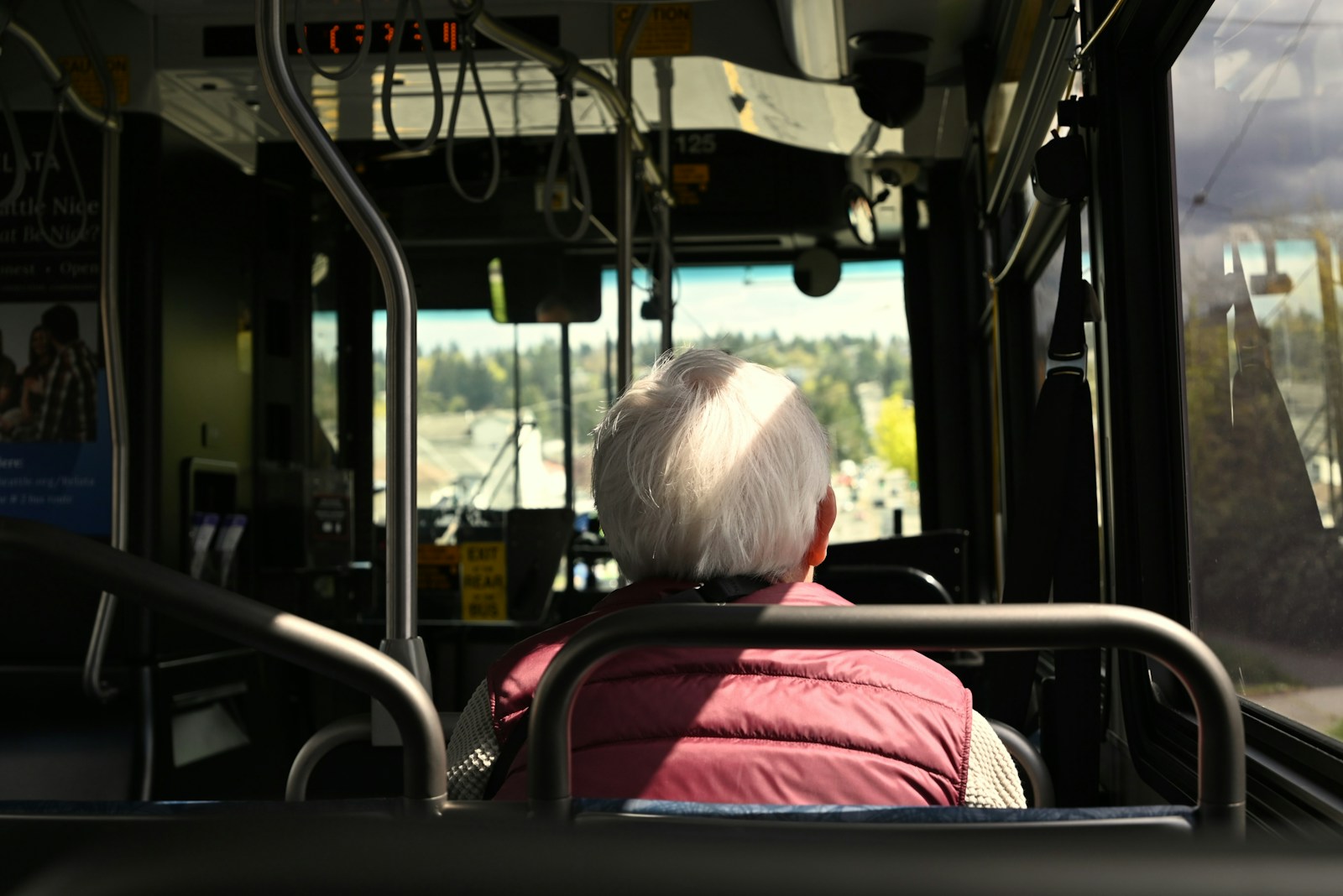
In a small rural area where public transport rarely sees more than a handful of passengers, an incident on a local bus escalated into an unexpected confrontation, leaving fellow riders bewildered. An elderly man, who had taken a seat at the front of the bus, found himself incensed by the chatter of two passengers, eventually blocking the door to voice his grievances about respect and silence on public transit.
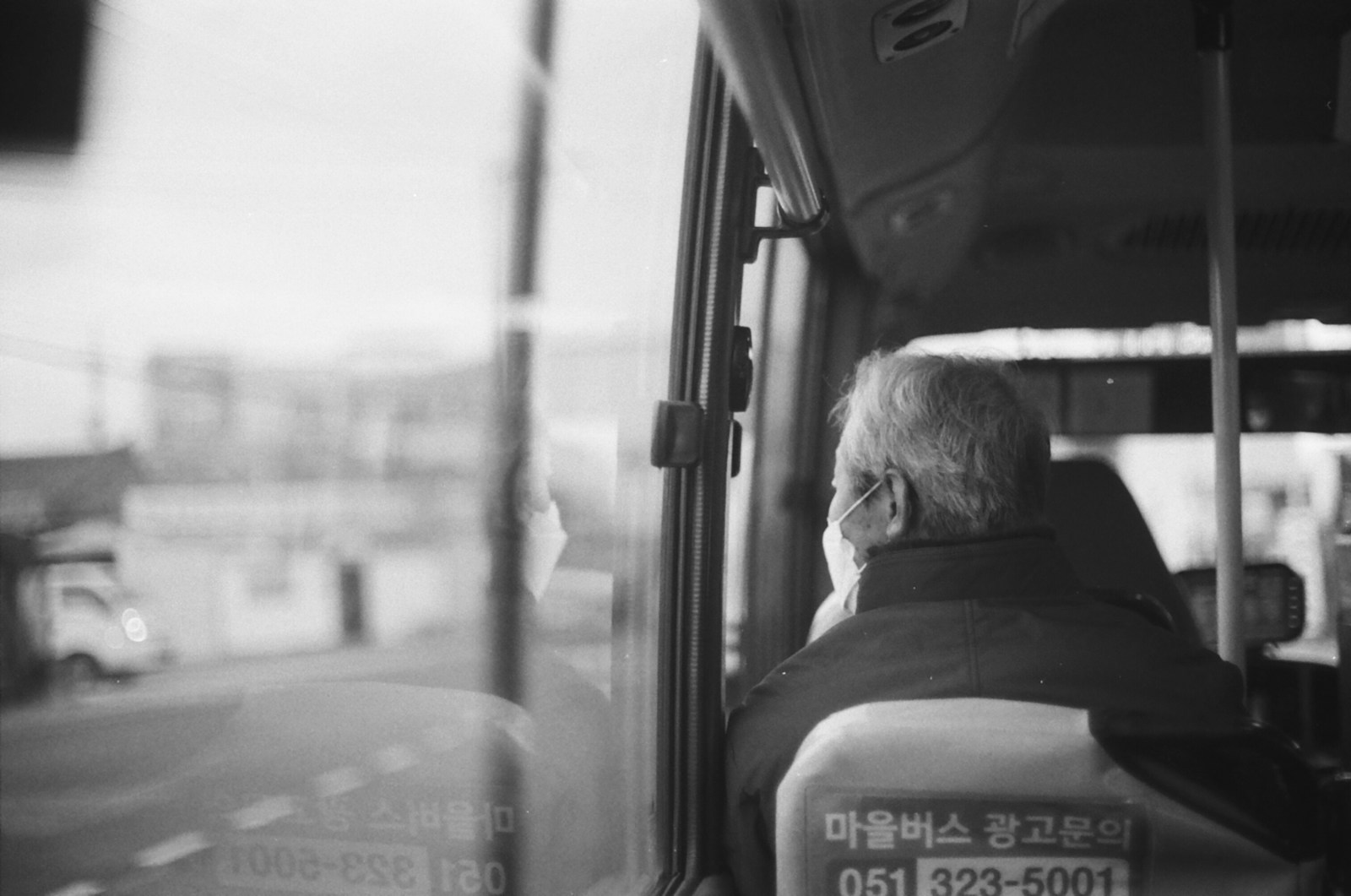
The ride began without incident as the poster settled into their seat after loading their bike onto the front of the bus. Not far from them sat an elderly man, seemingly content in his own space. However, things took a turn after a pair of women boarded the bus. One of them, noticing the familiar faces from an earlier trip, exchanged pleasantries and shared a light conversation. The older man quickly interjected, raising his voice to admonish the woman who had taken a seat across from him, claiming, “Hey, you shouldn’t sit there, those seats are meant for the elderly and disabled.”
With only four passengers on the bus and available seats scattered throughout, the others exchanged puzzled glances. Undeterred, the woman smiled politely and moved to another seat further down. But the elderly man wasn’t finished. He continued to assert his expectations, demanding respect due to his age, insisting, “Of course I’m right and I don’t need to move because I’m your elder, so shut up and be respectful.” His outburst went largely ignored, as the remaining passengers attempted to resume their conversations.
Despite their efforts, the older man persisted with his complaints, stating that he didn’t ride the bus to socialize and that his fellow passengers were being disrespectful. The bus driver, who had been silently observing, finally intervened: “No one is forcing you to interact, and people are allowed to have conversations on the bus. If you don’t like it, you should find a new bus to ride.” This comment seemed to momentarily quell the man, but he continued to mutter complaints about paying taxes and being disrespected.
As the bus neared a stop, tension hung in the air. The older man stood up and positioned himself in the doorway, where his rant transitioned from complaining about his fellow riders to addressing the driver. He unleashed a torrent of grievances, blocking the entrance and preventing passengers from boarding or disembarking. Though his volume had toned down, the relentless stream of words continued unabated. Passengers could only watch as the man monopolized the doorway and the driver struggled to respond.
Finally, after what felt like an eternity, the elderly man stepped off the bus, still ranting as the driver attempted to close the door behind him. As the bus resumed its route, riders exchanged incredulous looks, many undoubtedly wondering how the individual would act on his next connection. Would he find another driver to unload his frustrations on? The bizarre scene served as a striking illustration of how expectations of respect can clash dramatically with the realities of shared public space.
Commenters observing the incident online seemed equally fascinated by the man’s sense of entitlement. Many shared their thoughts on public decorum, questioning the balance of personal space versus communal interaction that often defines bus rides. Some noted that the man’s insistence on silence while being the loudest person on the bus was a contradiction that reflected a broader societal issue. Others found humor in the absurdity of the situation, recognizing it as a classic case of someone demanding respect while failing to extend the same courtesy in return.
Amidst the strange dynamics of public transit and the interactions of diverse strangers, this incident stands out not only for its peculiarity but also for the reminders it offers about the occasional clash of generations and expectations. It’s a moment that highlights the unpredictable nature of shared spaces and the myriad personalities that inhabit them.
More from Willow and Hearth:
Leave a Reply