A 78-year-old landlord in rural Colorado faces a tragic and recurring dilemma: families abandoning terminally ill or mentally vulnerable relatives in his fourplex, turning his property into what feels like a temporary holding area for those in desperate need of care. Over the past few months, two elderly tenants and a younger man with severe mental health issues have been left to navigate life alone, with the landlord and local emergency services caught in a troubling cycle of crisis intervention that seldom leads to resolution.
The landlord, who resides in one of the four units, has watched helplessly as his property becomes a revolving door for those who should ideally be in assisted living. “They’re typically on the lease, but a family member seems to be behind the scenes with conservatorship or power of attorney, failing to act in their best interests,” the poster explained. The situation spirals out of control quickly, as it takes no more than a month for the inadequacies of the living arrangement to surface, often culminating in multiple emergency calls until it becomes an all-too-familiar tragedy.
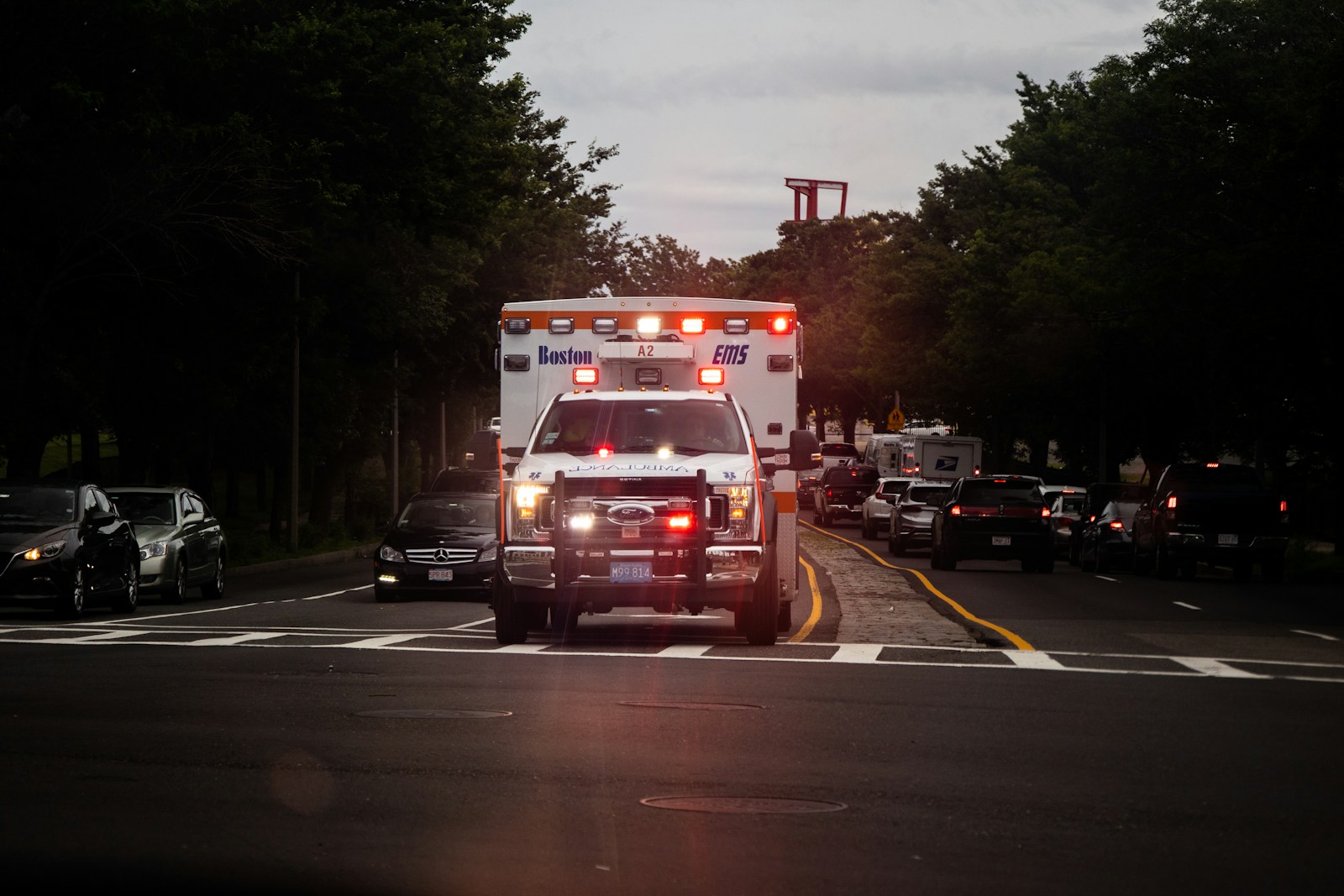
Despite calling Adult Protective Services (APS) for help, their rural location often delays timely intervention. “We’re hella rural and APS never makes it out in time,” the poster lamented. Instead, it falls to the landlord and, frequently, local EMS crews to respond to urgent health crises, only for the hospital to release tenants back to the very space that fails to meet their needs. The landlord finds himself trapped in a cycle where repeated calls to emergency services become the norm rather than the exception. “We can’t dial 911 fast enough sometimes,” said the distressed landlord, highlighting the emotional toll on both him and the tenants involved.
This grim reality takes a financial toll as well. Abandonment leaves units vacant for extended periods, often longer than six months, while legal issues around abandoned property and probate complicate the re-letting process. Each vacant unit represents not only lost income but a growing pile of concerns for the aging landlord, who has already seen too many tragedies unfold on his property. He expressed frustration over the long-lasting impacts of each situation, stating that it drastically affects his income, as he relies on the rent from these units.
As he contemplates how to screen potential tenants more effectively, he is acutely aware of the legal limitations he faces. “I’m not sure if I can reject someone under conservatorship even if their conservator agrees,” the landlord mentioned, outlining his predicament. Furthermore, the challenging local demographics make it increasingly difficult to find tenants without a supporting guarantor, as many individuals in the area are either retired or in seasonal contract work. “Anyone who can help the tenant often disappears,” he added, referring to a disturbing pattern he has witnessed. In both recent cases, he noted that family members rapidly revoked driving privileges and mobility rights shortly after the tenants moved in.
Discussion among readers of the original post highlights the conflicting feelings surrounding the landlord’s situation. Many focused on the complexities of managing health crises within rental properties and the limits of landlord responsibilities versus family duties. Some expressed sympathy for the landlord, while others questioned the legal framework that allows such vulnerable individuals to be placed in situations where they cannot advocate for themselves.
As the poster grapples with these unsettling circumstances, he remains uncertain about the future of his fourplex. With the mounting pressure of reoccurring emergencies, legal complications, and the emotional anguish of watching vulnerable residents decline, the situation continues to weigh heavily on his shoulders. The stark reality remains: as long as families choose to leave loved ones behind and landlords are caught in the middle, the cycle of abandonment and tragedy is likely to persist.
Original discussion: https://www.reddit.com/r/legaladvice/comments/1ujucqb/colorado_what_can_be_asked_so_terminally_infirm/
Leave a Reply