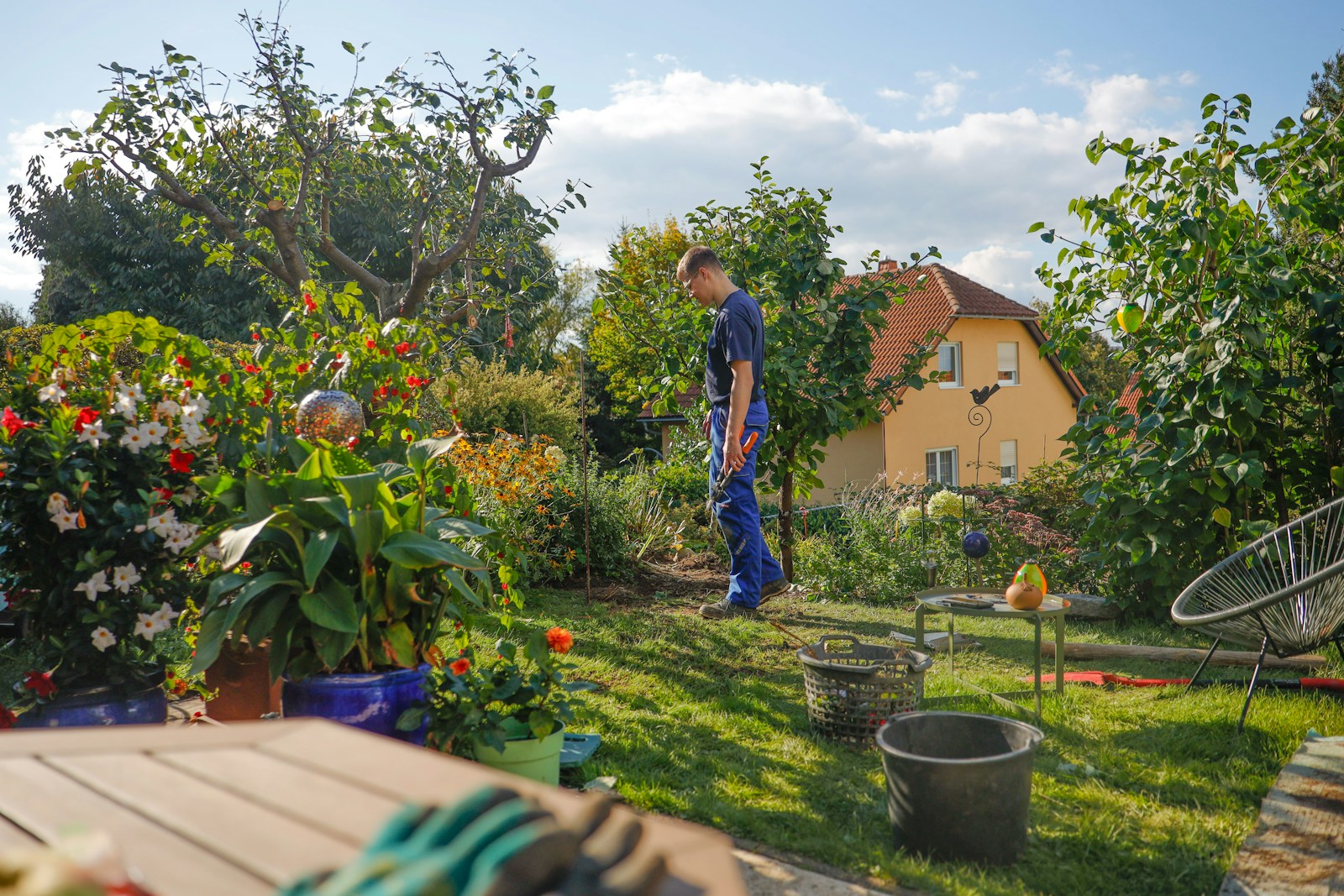
In a quiet neighborhood, a unique relationship unfolded that raised eyebrows and triggered a conversation about boundaries and community expectations. A Reddit user, Loutraki_1986, recounted a year-long interaction with an elderly neighbor that began with mutual assistance but quickly veered into exploitative territory. As life tends to do, the dynamic between them shifted, stirring up questions that many can relate to when it comes to relationships with neighbors.
The story revolves around an elderly woman in her mid-70s who, after forming a seemingly friendly connection, began to depend on her neighbor—a man in his late 50s living with his bedridden father—for various tasks. Initially, the arrangement seemed perfectly fine; small favors such as helping with moving furniture or handling light repairs felt like a natural give-and-take between neighbors. However, as time went on, the requests escalated, transforming from simple assistance into a disproportionate demand for help. Loutraki_1986 began feeling more like an unpaid handyman than a neighborly friend.
It’s not uncommon for friendly relationships in a neighborhood to develop into something that feels like an obligation. One moment, it’s just lending a hand, and the next, it feels as if the relationship has crossed a line, with the person on the receiving end taking liberties. Loutraki_1986’s experience serves as a reminder of how easily such boundaries can become blurred.
As he juggled caring for his father, maintaining his home, and managing freelance work, he found his time stretched thin. That’s when he realized the importance of personal boundaries—the decision to decline her request to work in her garden marked a turning point. This request was not just about gardening; it symbolized a deeper issue of dependency and expectation, which Loutraki_1986 felt was not only unfair but also unsustainable. After he turned her down, the neighbor seemingly withdrew, and their interactions ceased. It was as if a curtain had fallen, leaving both parties in an awkward silence.
For many, navigating neighborly relationships poses a challenge. There are unspoken rules about helping one another, but what happens when those rules are pushed? Loutraki_1986’s situation raises an interesting dilemma: should he reach out to clear the air and re-establish a connection, or let time drift between them without acknowledging the rift? This question is not merely about communication; it touches on the core of human interaction and community building, which can be delicate and fraught with misunderstandings.
Considering the neighbor’s apparent network of other individuals who assist her, it seems she may not be as isolated as one might first assume. Perhaps the dynamic of the relationship shifted when she began to see Loutraki_1986 as a primary source of labor rather than a friend. This highlights a common experience where one party perceives friendship through the lens of utility, leading to an imbalance that can be difficult to rectify. It raises an important consideration: how can neighbors support one another without crossing into the territory of obligation? Knowing when to say ‘no’ is a vital skill in these situations, but so is understanding when to lean on others for help.
Leave a Reply