
In a world where the boundary between public piety and private behavior often blurs, one woman grapples with the unsettling reality of her mother’s extreme religious devotion. An evangelical convert, the mother has claimed a new identity centered around church life, yet her actions have left her daughter questioning the authenticity of that faith and the warmth of familial love.
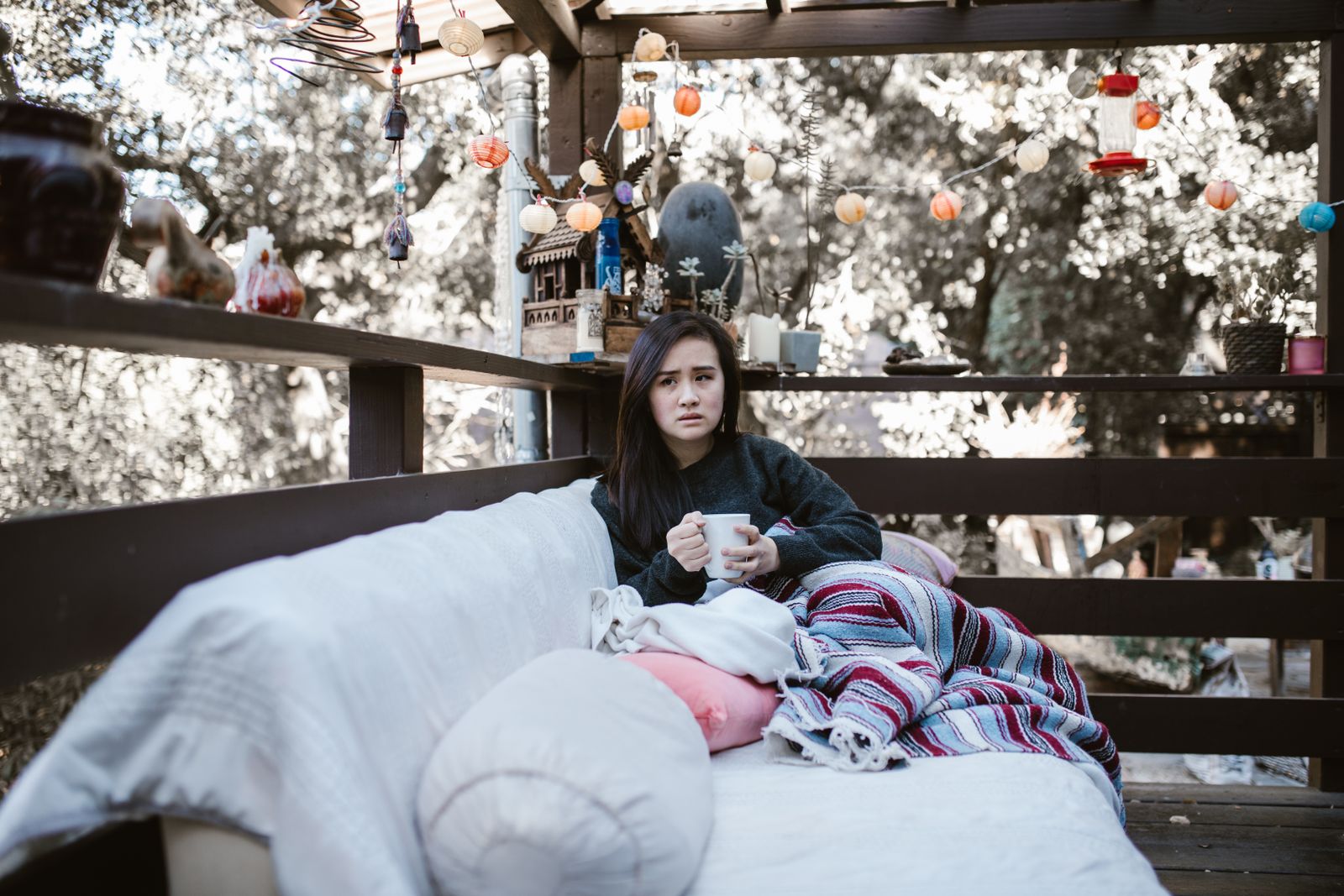
The poster shares her story of growing up with a mother who, despite her outwardly kind demeanor, subjected her to years of emotional neglect, cruelty, and harsh criticism. The mother’s conversion to evangelicalism a decade ago had initially sparked a flicker of hope in the daughter, who yearned for a change, driven by the belief that the teachings of Jesus could transform her mother’s heart. However, the reality proved far from inspiring.
Instead of becoming more compassionate, the mother used her religious fervor to cast her daughter as a vessel for demonic influence. Simple struggles, like nighttime coughing fits and anxiety, were met with accusations and disdain. Going to college, an achievement that could have been celebrated, became a further point of contention, with the mother labeling it as an indication of her daughter’s moral failings.
Desperate for a break from constant criticism, the daughter decided to attend a church service with her mother, holding onto the hope that witnessing the faith firsthand might alleviate some of the tension in their relationship. To her surprise, the congregation was welcoming and kind. Yet, as she observed her mother throughout the service, the daughter felt a wave of disillusionment wash over her.
Rather than absorbing the pastor’s teachings, the mother engaged in side conversations, voiced complaints about the food prepared by volunteers, and critiqued the presentations of others—all while displaying a stark contrast in behavior whenever a camera was nearby. In those moments, her focus shifted dramatically; she would spring into action, singing and dancing as if performing for an audience, leaving her daughter to wonder if the church was simply a stage for her mother’s need for validation.
“I thought she truly loved the Bible and the church,” the daughter reflected, noting that her mother had often proclaimed, “I love God more than I love you.” Yet, witnessing this behavior transformed those beliefs into a painful spectacle of self-righteousness. Instead of a place of refuge, the church became a platform for her mother’s contradictions, revealing her character to be more about performance than genuine faith.
As the daughter shared her story online, she sought connection with others who might have experienced similar dynamics with religious parents. Comments from readers hinted at a shared understanding of such parental duality. While some resonated with her experiences, others emphasized the bewildering nature of their own family dynamics—where faith seemed more about image than substance.
Some readers recounted their own struggles with parents who had embraced religion as a means of control, noting that the public persona often masked a darker, more critical home life. These reflections underscored a common frustration: how often love and kindness can become commodities traded for outward displays of faith and righteousness.
In sharing her tale, the daughter highlighted a profound conflict that many may face—navigating the chasm between public appearances and private realities. The image of a devoted mother, so easily constructed for the community, starkly contrasted with the harsh criticisms and emotional neglect experienced behind closed doors, leaving many questioning what true faith—and familial love—should look like.
As she continues to grapple with her mother’s behavior in the light of newfound revelations, the daughter remains entangled in a difficult web of expectations and realities. In an environment where kindness and compassion should abound, the stark contrast of her mother’s actions leaves a lingering uncertainty, both about their relationship and the true nature of her faith.
More from Willow and Hearth:
Leave a Reply