Picture a flower border that has not seen fertilizer in years, gets watered a handful of times each summer, and still blooms like a magazine cover. Some of the plants in it have been putting on a show for over two decades.
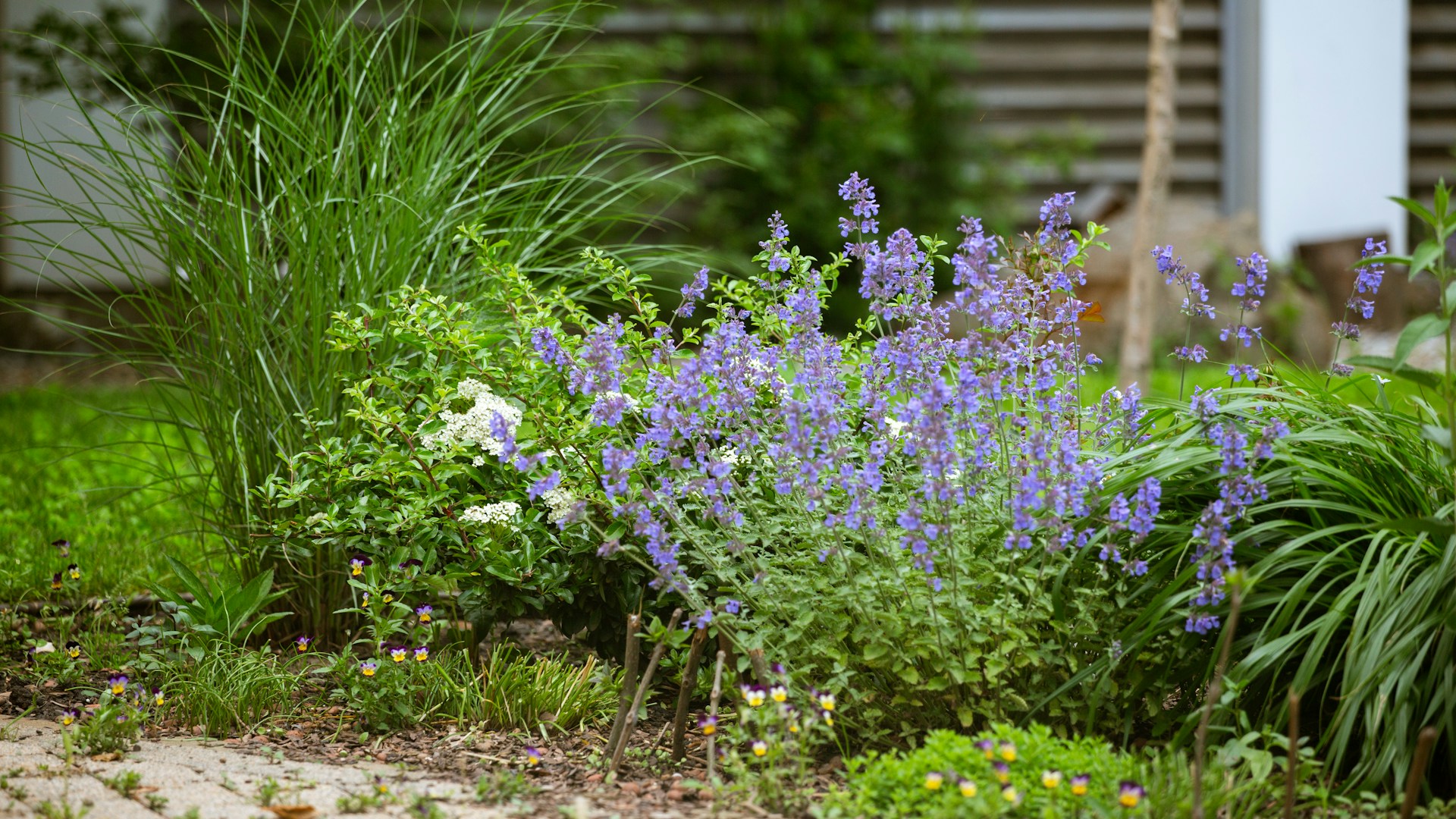
That is the border standing behind the gardener at @TheGardenEdit_1, who says more than 20 years of gardening taught one lesson. The best gardens were not made by the hardest workers. They were made by people who chose the right plants.
The gardener’s promise is that every plant in the lineup is tough, forgiving and nearly impossible to kill. Each one comes back bigger and better every year. Plant once, enjoy for years, and call it the laziest, smartest way to garden.
The Number One Plant Survives Being Thrown Out Of A Car Window
The champion of the lineup is the daylily. People call the orange roadside ones ditch lilies because they thrive on highway embankments with no care at all, and the gardener jokes they would survive being thrown out of a car window.
Daylilies grow in sun or part shade, clay or sand, wet or dry. Each bloom lasts only one day, hence the name, but every plant sends up dozens of buds, so the flowers keep coming for weeks. Breeders have created tens of thousands of varieties in nearly every color, and reblooming types like Stella de Oro flower again and again through summer.
The chores are light. Remove spent flower stalks, tidy old foliage in spring, and divide crowded clumps every 3 to 5 years. Daylilies are hardy in zones 3 through 9.
Lazy Gardeners Everywhere Can Thank Coneflower, Sedum And Black-Eyed Susan
Coneflower takes the runner-up spot. Its big daisy-like blooms last from midsummer into fall, and goldfinches love the seeds. The gardener advises sticking with the classic purple or a proven variety, since some fancy new hybrid colors are less hardy and shorter lived.
Sedum is the plant the gardener recommends most to people who say they kill everything. It is a succulent that stores water in thick leaves, loves full sun and poor soil, and only really suffers from overwatering and rich soil. Cutting the stems back by about a third in early summer keeps it compact.
Black-eyed Susan turns a boring summer garden golden from midsummer into fall, and the variety Goldsturm has been a favorite for decades because it is dependable. The tip is to leave the seed heads standing in fall so goldfinches can feast.
Lavender Dies Of Kindness, Not Neglect
Lavender can be lazy friendly if you understand where it comes from, which is dry, rocky Mediterranean hillsides. It needs full sun and sharp drainage, and in heavy clay it does best on a mound or raised bed.
Most people kill it with kindness, the gardener says, by overwatering, overfertilizing or mulching with moisture-holding bark. Gravel mulch works better, and a light trim after flowering beats a hard cut every few years.
Yarrow follows the same pattern. It loves full sun, laughs at drought and prefers lean soil, so the biggest mistake is being too kind to it. Rich soil gives weak, floppy stems.
Peonies, Iris And Catmint Reward The Patient
Peonies have a reputation for being fussy, but the gardener says they are among the longest-lived perennials, with some blooming at old homesteads 50 or even 100 years later. Plant the root only 1 to 2 inches below the surface, because planting too deep is the number one reason peonies fail to bloom. A new plant may take 2 or 3 years to flower well.
Bearded iris shows the same planting-depth rule. The thick root should sit right at the soil surface with the top peeking out. Divide clumps every 3 to 5 years and you end up with free plants for friends.
Catmint is called the most underrated perennial in the garden. After the first flush of flowers fades, shear the plant back by about half. It grows fresh foliage in a couple of weeks and often blooms again right into fall.
Shade, Color And Movement For The Hard Spots
For awkward spots, clumping liriope, also called lily turf, fills in under trees and along walks, and a yearly mow on a high setting in late winter is the whole routine. Hostas handle part to full shade, though slugs and deer are their enemies. Coral bells bring caramel, lime, burgundy and peach foliage that looks good from spring to frost.
Ornamental grasses add movement and winter interest, and they ask for almost nothing, with no fertilizer at all since too much food makes them flop. Russian sage thrives in heat and poor soil, and the gardener says deer and rabbits tend to leave it alone. Bee balm draws hummingbirds, bees and butterflies, and mildew-resistant varieties keep the leaves clean.
Your Lazy Garden Checklist
The gardener closes with a simple recap for getting started, and it works for any yard.
- Check your hardiness zone before you buy.
- Match each plant to the right light and soil.
- Water new plants regularly during their first season so the roots can settle in.
- Add a layer of mulch, then step back and let the plants work.
In the gardener’s words, the real secret of lazy gardening is that it is not laziness at all. It is choosing plants that want to grow where you put them.
More Stories You May Like
- 10 Things Landlords Generally Cannot Do To A Tenant, From Changing The Locks To Shutting Off The Utilities, And Why State Law Decides The Details
- New Build Inspection Finds Bent Window Screens, Screws All Over The Roof, A Leaking Grinder Pump And A Sewer Valve Turned Off Before Anyone Moved In
- Before Paying To Apply For An Apartment, Check These 8 Rental Application Fee Rules, Including The States That Cap What Landlords Can Charge
Leave a Reply