Lori had a plan for her narrow backyard garden, and step one was getting rid of the lawn. This fall she and her husband took out all the grass, and now the gardener behind the @MainStGardener channel is replanting the whole space from the ground up.
She lives in zone 7, and her garden runs about 50 ft long without ever getting very wide. Over the years, she says, the trees, shrubs and plants grew until the beds were simply the wrong scale for the space.
“The Garden Spaces Were Not The Right Scale” So The Grass Had To Go
Lori wanted more plants for pollinators and birds, plus less yard work and less watering. She also wanted a proper hardscape pathway, because her old one was just stones set in grass and, in her words, it never really worked.
She is not trying to finish everything at once. Her goal is a garden that is “set” for this season, with the next couple of weeks devoted to heavy planting.
The first big job was the long border hedge. Two crabapple trees near the patio were part of the reason for the expansion, because the beds around them had become too small.
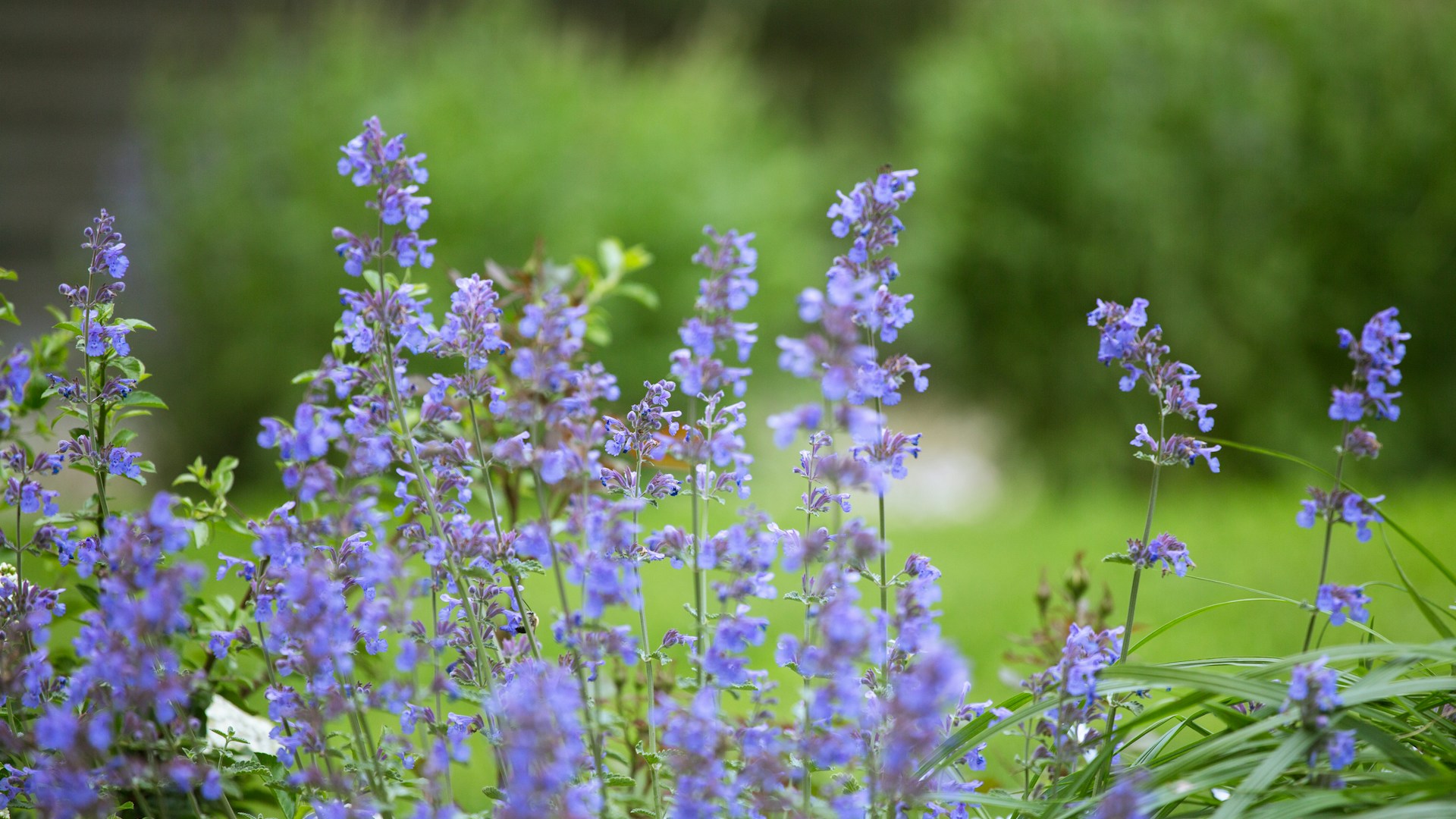
She Dug Up The Whole Catmint Border To Replant It Closer To The Edge
With the grass gone, Lori suddenly had about 2 ft of extra space to work with. Her plan was to dig up the catmint she already owned, cut back and divide it, and move it about a foot from the edge so the border could stretch down the whole length of the bed.
She did not mind if the plants flop over during the season. She just wanted them pulled a little closer to the new edge.
To mark where the catmint should stop, she picked up soft, compact hollies and set one at each end spot. Catmint needs sunshine, she explained, so the hollies work as a natural stopping point and frame the border.
Beyond that point the bed turns shady, so she plans to use ajuga, hostas and grasses there. Her idea is to lead the eye up the garden and into the sunny section.
“I Decided To Break Down And Buy A Real Auger” And Her Back Thanked Her
Here is where the story turns. Lori said her husband owns a very large auger, but it is too heavy for her, so she ordered a smaller one made for quart-size plants and bulbs.
She chose the Creekside Genie Edition auger, which stands 36 in high and has a heavy-duty tip. She went with a 5-in bit, which she called the perfect size for the job.
The result surprised her. She said her shoulders and back were not hurting the day after, and she dug far more holes than she expected. “Man oh man, this auger is worth every penny,” she said at one point.
She also gave the soil some credit. It was good farm soil that had been under grass, and she hit no rocks or roots. She said she would not use the tool in parts of her garden where the ground is tougher, and that she would love an even larger one someday.
One Plant Waited In A Pot Because Of A Leaking Drip Line
By the end of the day Lori had planted four hollies and used every single catmint plant. Two extras went into the corners of the bed, where she plans to add a container, and they double as insurance if a plant does not survive the winter.
One spot had to stay empty for now. A drip line there runs under the sidewalk and has a small leak, so her husband needs to dig it up and cap it before she can plant. She is keeping that last plant in a pot, watered, until he gets to it.
She even set a timer on the final stretch, guessing the rest would take about an hour. When she finished, she called herself a filthy mess, but a happy one, and said the whole hedge went in far faster than she would have managed by hand.
“Getting Started Is The Key” And What Comes Next
Lori said the hardest part of a big project is simply beginning. She reminded herself to give herself grace and time and enjoy the process, and by the end she could see her vision taking shape.
Next up is moving her lavender and mixing other plants in with it. She also wants to move a lime punch hydrangea forward again, along with a Roxane geranium and some Culver’s root. The garden still needs mulch, a neater trim on the catmint, and drip irrigation, which she plans as a weekend project.
The forecast helped too. She expects two weeks of sunshine and temperatures in the 60s, perfect for planting. She posts project videos on Wednesdays and a weekly garden vlog on Sundays.
What Fall Gardeners Can Take From Her Method
Lori’s approach offers a few ideas worth borrowing if you are redoing a bed. Planting in fall, while the soil is still workable, gives perennials time to settle their roots before winter, and in many regions cool weather means less watering stress.
Matching a plant to its light is the biggest lesson in her story. She kept catmint in the sun and saved the shadier end for ajuga, hostas and grasses, rather than forcing one plant everywhere.
Spacing marked with a simple stake keeps a border looking even, and she noted it does not have to be perfect because the cut-back plants will grow in a bit squirrely anyway. Mulch and steady watering after planting finish the job.
Finally, think about your tools. If digging dozens of holes strains your back or shoulders, a hand-held auger sized for small plants may be worth a look. Lori asked her viewers in the comments which auger they use, so there is clearly a lot of experience out there to learn from.
More Stories You May Like
- Vermont CEO Fought Neighbors For Nearly Five Years Over A Backyard Airstrip At His $3.5 Million Home, Then Bought A $14 Million Property With One Already Permitted, While A Neighbor Spent $300,000 Fighting Him
- Florida Homeowners Got Hit With $13,157.73 Roof Bills Each, Then Found Records Allegedly Showing The Contractor Got A $232,000 Deposit 12 Days Before The Public Vote
- Tenants Hit With Rent Hikes Of $100 To $200 After A Sale Banded Together, 24 Refused To Sign Leases, And The Landlord Has Already Cut His Offer To $75 A Month
Leave a Reply