For many tenants, navigating the complexities of rental agreements and property management can be a daunting experience. A recent situation shared by a Georgia resident sheds light on these challenges, especially when it comes to maintenance obligations. After living in her apartment complex for over two years, the tenant found herself dealing with her third management company, which brought unexpected changes regarding the maintenance of in-unit appliances.
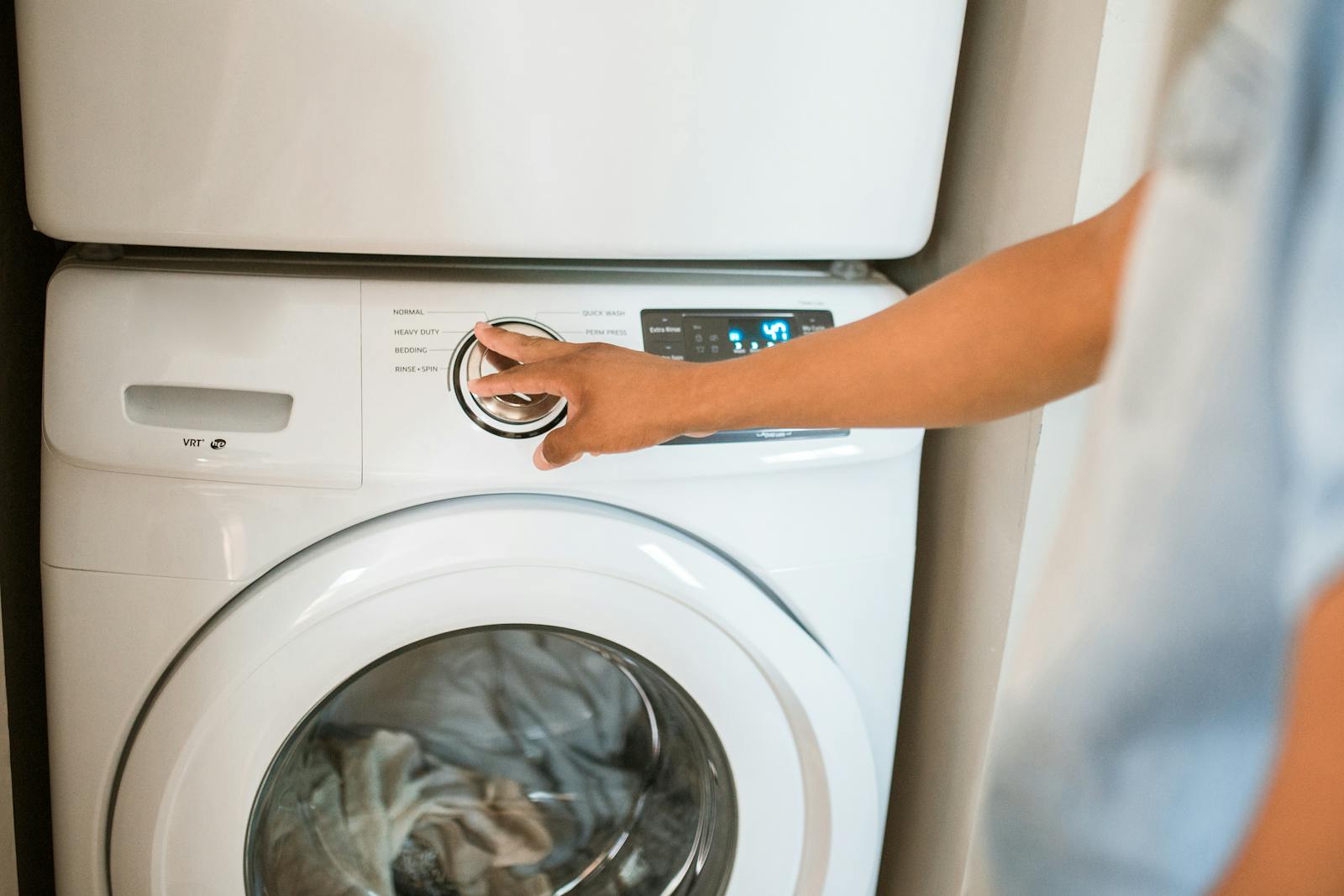
According to the tenant, who recently shared her experience on a popular online platform, new management informed residents that they would no longer be responsible for the repair or replacement of washers and dryers. This announcement left many feeling uncertain, especially since such appliances are often considered essential to a comfortable living environment.
The tenant’s lease, signed under previous management, does not explicitly mention the washer and dryer by name. While it does state that management is responsible for maintaining fixtures and furniture, the question arises: Does this include major appliances like washers and dryers? This ambiguity in the lease is where many tenants often find themselves at a disadvantage.
The situation reflects a growing trend among rental properties where management companies change hands, often leading to shifts in policy regarding maintenance responsibilities. In this case, the new management’s stance on appliance maintenance has raised concerns among tenants who rely on these essential services.
When it comes to maintaining appliances, it is crucial for tenants to understand their rights and the obligations of their landlords or management companies. The language used in leases can vary significantly, and it’s not uncommon for certain details to be overlooked during the signing process. As tenants become more aware of their living conditions, it’s essential to read leases thoroughly and clarify any uncertainties before moving in.
In the case of appliances, the general understanding is that if they are provided as part of the rental unit, the landlord typically bears responsibility for their upkeep. However, without specific language in the lease, it can become a gray area, leading to disputes. Many tenants may find themselves in similar situations, questioning the legality of a management company’s decision to disown responsibility for appliances that were already part of their living arrangement when they signed the lease.
For tenants in similar predicaments, there are a few steps they can consider taking. First, reviewing the lease agreement carefully to identify any mention of maintenance responsibilities is crucial. Additionally, keeping a record of communications with management can be beneficial, especially if issues arise that need to be documented. If a tenant feels that their rights are being infringed upon, reaching out to local tenant advocacy groups or legal resources can provide assistance and clarity.
The experience shared by the Georgia tenant serves as a reminder of the importance of understanding the terms of a lease agreement. As the rental market continues to evolve, tenants must advocate for their rights and ensure that their living conditions meet the standards laid out in their contracts.
While it may not be uncommon for management companies to change and for policies to shift, the fundamental expectation for tenants remains the same: to live in a space that is well-maintained and conducive to comfort. As this Georgia tenant navigates her new situation, it’s a reflection of the broader challenges many renters face in today’s housing climate.
More from Willow and Hearth:
Leave a Reply