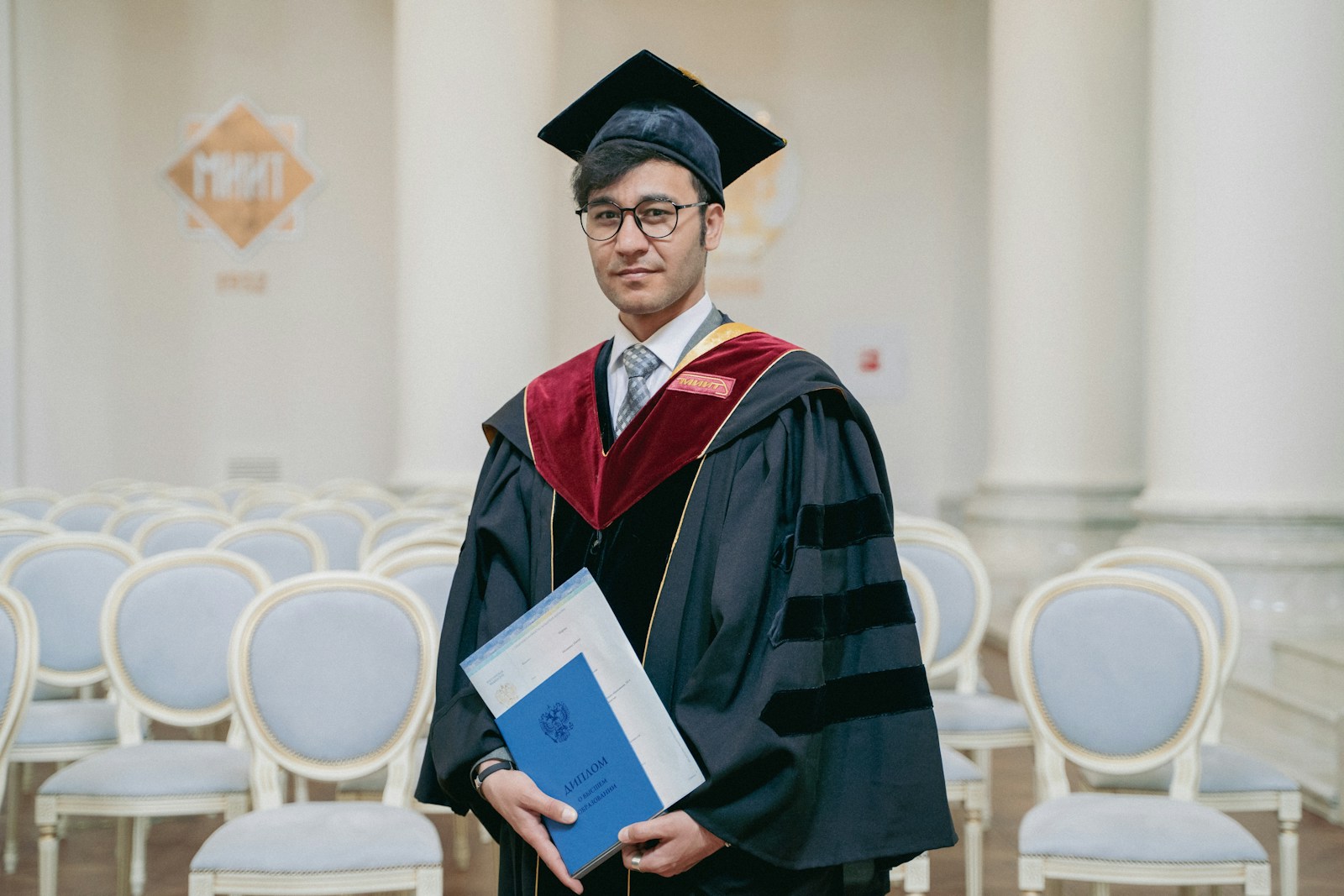
A graduate student at a public university in Illinois recently found themselves in a precarious situation after reporting suspected academic integrity violations. Under the impression that their concerns would remain confidential, the student was shocked when the individual they reported confronted them, having read their full name from an official dean’s report. The incident has raised questions about privacy protocols within academic institutions and the consequences of whistleblowing.
The poster, a grad student, thought they were acting responsibly when they brought suspected violations to the attention of a teaching assistant. They articulated their concerns about a classmate’s paper and were assured that the report would remain confidential. “You won’t be mentioned,” the TA allegedly promised. This assurance prompted the student to share their thoughts, believing they were taking action without the risk of personal repercussions.
However, events took an unexpected turn after the student was called in for a meeting with the dean of academic affairs. The dean reiterated the importance of confidentiality before asking the student to recount their observations. After the discussion, the grad student expressed their desire to distance themselves from the incident, clearly stating, “I don’t want anything to do with this anymore.” Yet, unbeknownst to them, word had already spread through the academic community.
Days later, the atmosphere shifted dramatically when the student who had been reported approached the grad student, armed with insider knowledge. “I know everything,” he said, proceeding to read excerpts from the dean’s report—reports that named the grad student as the individual who had made the complaint. Faced with this revelation, the student felt an immediate sense of violation and unease. “It does suck,” they lamented, as the situation turned from one of ethical concern to personal conflict.
As the story began to circulate within online forums, some readers were shocked by the breach of confidentiality. They focused on the fragility of trust in educational environments, where students are encouraged to report misconduct but may end up facing backlash. “Administrators need to prioritize student privacy,” one commenter noted, highlighting the university’s failure to uphold its promises. Others expressed empathy for the grad student, recalling their own struggles with navigating similar situations in academia.
Many discussions revolved around the idea of accountability for the involved parties. Some commenters questioned the motives of the TA and professors who disseminated the information, suggesting a lack of respect for students’ confidentiality. “How did it escalate to this point?” one reader mused, pointing out the need for clearer communication and protocols in handling reports of academic violations. While the community rallied in support of the grad student, the situation underscored a troubling reality where whistleblowers might feel more vulnerable than supported.
As the fallout of this incident continues, the grad student is left grappling not only with the academic concerns that prompted their report but also with the personal ramifications of being exposed. They expressed a sense of frustration, emphasizing that their original intent was to protect the integrity of their academic environment, not to become embroiled in a scandal. The breach of trust has raised questions about how institutions handle sensitive matters and the importance of ensuring students feel safe when they voice their concerns.
Original discussion: https://www.reddit.com/r/legaladvice/comments/1ukcdi1/outed_to_student_i_reported_by_administration/
Leave a Reply