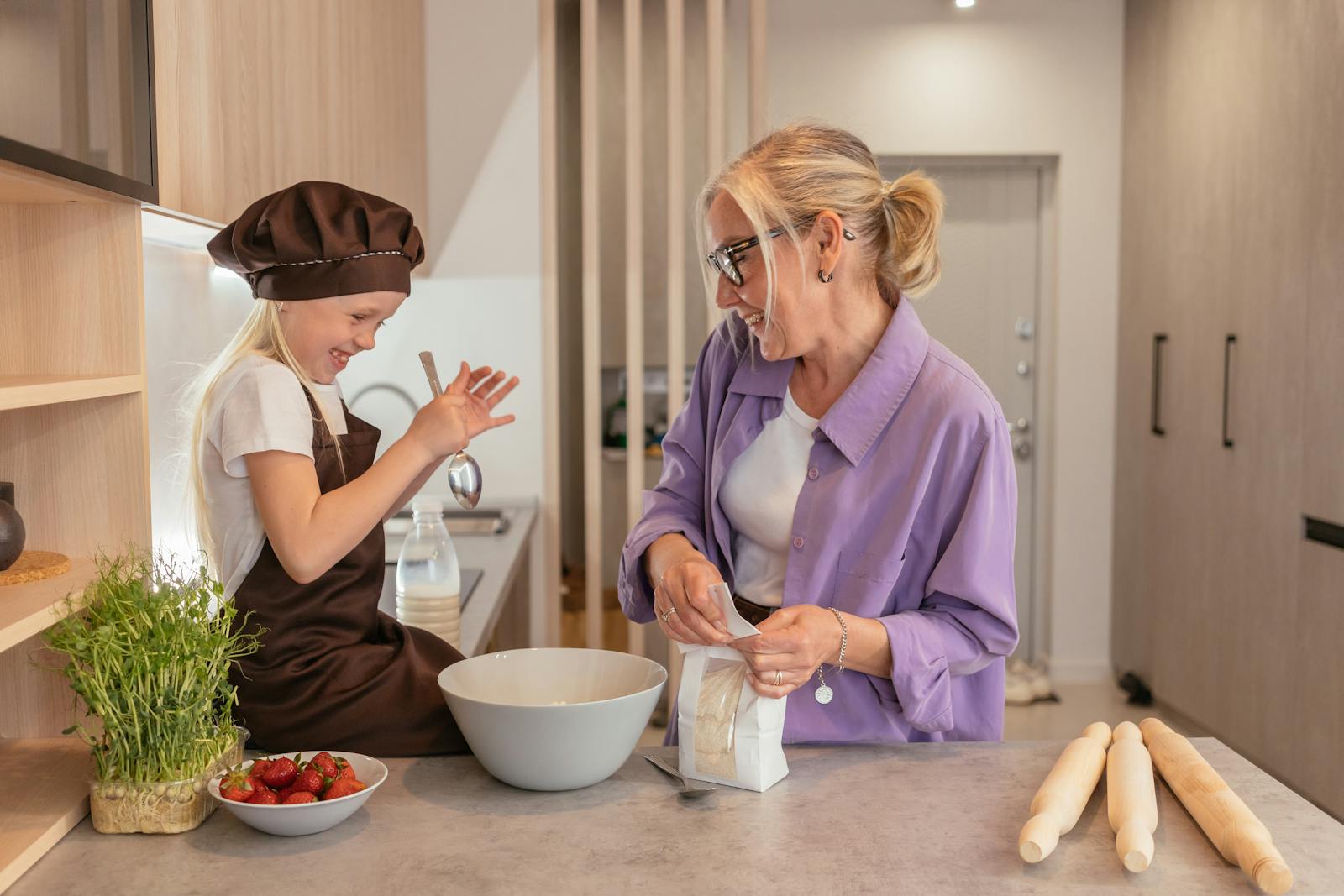
In the warm, familiar kitchen of Grandma’s house, the atmosphere is always a blend of nostalgia and delicious aromas. The battle of old-school cooking versus modern creativity plays out in subtle yet amusing ways, especially when it comes to treasured family recipes. Recently, one Redditor recounted a humorous incident that perfectly encapsulates the generational divide in culinary approaches—particularly when it involves an infamous handwritten recipe card.
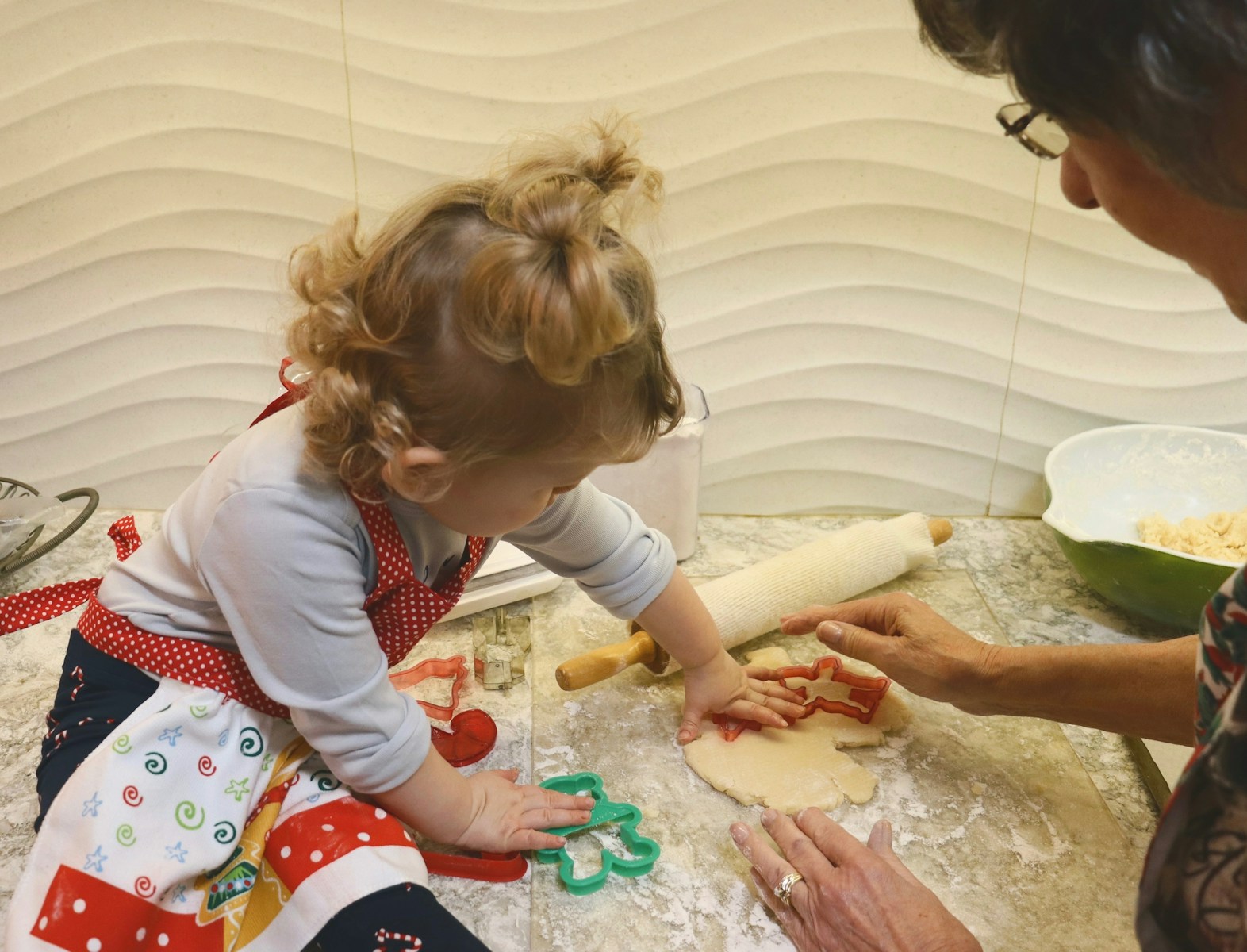
Picture this: a cozy kitchen filled with the scent of simmering spices and baked goods, a place where family traditions come alive. Grandma, the matriarch of the family, is known for her unwavering adherence to recipes that have been passed down through generations. Each recipe card is a piece of history, carefully written in her distinct handwriting, and it’s clear she believes there is a right way to prepare every dish. The rules are simple: her way or the highway. This particular day, her grandchild was eager to learn the family’s famous roast dish, a culinary staple that had always brought the family together.
With great enthusiasm, the grandchild approached the task of cooking alongside Grandma. However, one key ingredient stood out—a hefty tablespoon of salt, scribbled boldly on the card. The grandchild, hesitant to add so much salt, suggested making a slight adjustment. But Grandma was resolute. “No, no! Follow the recipe exactly!” she insisted, a stern look in her eyes that left no room for negotiation.
Respecting her wishes, the grandchild meticulously measured out the salt, despite thinking it seemed excessive. After all, cooking is about intuition, right? But with Grandma’s insistence still ringing in their ears, they dropped the full tablespoon into the mix. What could possibly go wrong?
As the roast began to cook, the grandchild felt a mix of excitement and anxiety. Would Grandma approve? Would the dish taste as good as it smelled? However, doubts soon turned into reality when dinner time arrived, and the first bite revealed a shocking truth— the dish was alarmingly salty. It was not the delicious culinary triumph they had envisioned.
Grandma took her first bite, her expression shifting from anticipation to questioning disbelief. She paused, glanced at the recipe card resting on the counter, then turned her gaze toward her grandchild. “Well, you’re supposed to use your head too,” she remarked after a brief silence. A wave of confusion washed over the grandchild. After all, they had simply adhered to Grandma’s cardinal rule of following the recipe! It was a classic case of “damned if you do, damned if you don’t.”
In that moment, the grandchild realized that sometimes, no matter how meticulously one follows directions, the dynamics of family cooking can create unexpected results. The whole situation became a humorous anecdote rather than a failure. Instead of lingering on the fiasco, Grandma quickly shifted her approach. “Next time, just do it by taste,” she advised, perhaps realizing that the kitchen is indeed as much about intuition as it is about following recipes.
This incident highlights much more than just a cooking mishap. It underscores the intricate dance between tradition and modernity in family kitchens. Grandparents often hold onto the way things ‘used to be done,’ while younger generations are more inclined to experiment and adapt. Everyone has their own ideas about flavor, and sometimes, the learning process comes with a few less-than-edible outcomes.
The beauty of these moments lies in the laughter and memories they create. Sure, the roast may have been a flop, but the bond between Grandma and grandchild only grew stronger through the experience. Next time they cooked together, they might just navigate the salt question a bit differently—or embrace the chaos of culinary experimentation altogether.
In the end, it’s not just about the food; it’s about the memories made in the kitchen, the stories shared, and the love that brews amidst the simmering pots and clattering utensils. After all, every family has its own recipe for fun, missteps included.
More from Willow and Hearth:
Leave a Reply