When a homeowner gets a warning from his HOA about weeds, there are two ways to go: grab the clippers or grab a camera. @davidwbroker went with the camera.
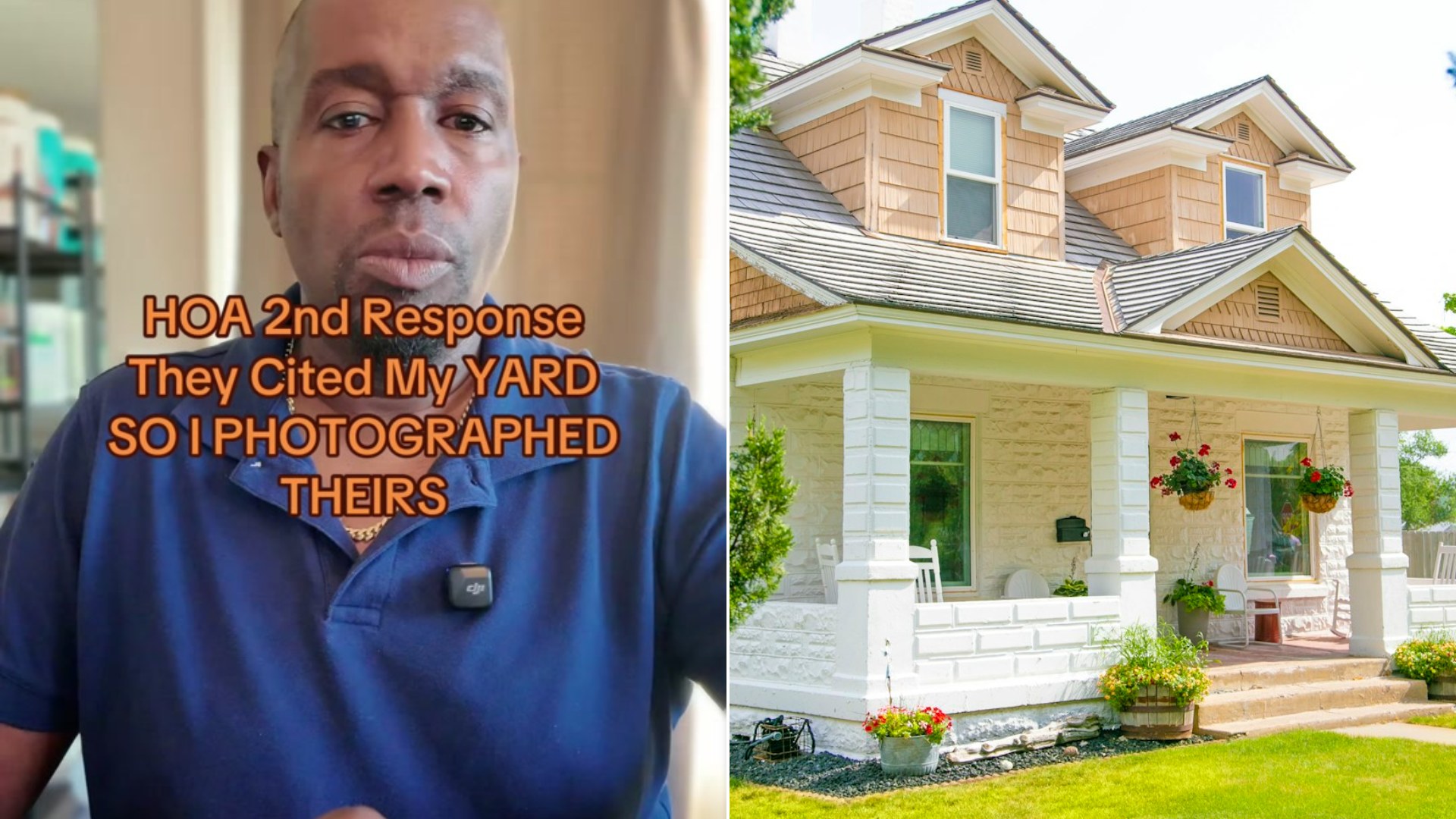
He says he rode his motorcycle through his neighborhood and took pictures of the common areas and the golf course next to his home, so the association could see what condition it keeps its own property in. Then he wrote the board a second letter, and he read the whole thing aloud.
@davidwbroker
The photos and the problem
His letter follows an earlier written response dated October 13, 2026, in which he disputed the violation. This time he enclosed dated photographs of his landscaping beds and asked the board to point out the specific weeds it was talking about. If it could not, he wrote, he expected the notice to be withdrawn in writing and removed from his account.
Then he turned the tables. He argued that the association holds homeowners to a standard it does not meet itself. His home sits on a golf course, so he sees the common areas every day. According to him, the grass is patchy, overgrown, long on the edges, and only partly cut in many areas. He says each time the common areas are mowed, the equipment leaves piles of dead grass clippings that nobody removes. They sit there and make an eyesore for every homeowner and visitor.
Golfers in the yard
The bigger complaint is about golfers. He says players regularly walk onto homeowners’ property to retrieve and hit their balls, as if the yards were part of the course. He writes that out-of-control golf balls broke windows at a neighbor’s home on May 16, 2025. When homeowners have raised this with the association, he says, the answer has been that it bears no responsibility and has no enforcement authority.
His summary: the association will issue a warning over a trash can and a violation over unidentified weeds, yet it is “powerless” when golfers trespass and damage homes. In his own yard, he says, he finds five to ten golf balls every time he mows, and he often sees golfers hitting balls from his lawn back onto the course.
Four questions for the board
He did not stop at complaints. He asked the board to answer four things in writing:
- What standards, if any, the association applies to the golf course and its operators, and what its agreements are with the course owners.
- What specific steps it has taken or will take about golfers trespassing and golf balls damaging property.
- Whether it has raised these issues with the course owners or management, and what came of it.
- What steps it will take to correct the condition of the common areas, and on what timeline.
He also brought up an earlier warning over a trash can. He says he had put it out the day before leaving town for his mother’s funeral, and when he got back five days later there was a notice on his door. No one, he wrote, tried to find out whether he was in a hospital or worse before going straight to a warning. He called that a misuse of the governing documents.
He ended by saying he has been asked to serve on the board three times since moving in and declined each time, and he thinks the board should focus on places where it is really needed. For example, he says two homes next to the management office look like they have not had their grass cut in months. He continues to dispute the violation, reserves his right to a hearing before any sanctions, objects to any fines or certified letter fees, and expects a written reply within 10 days. He also wants the matter on the agenda of the next board meeting.
What homeowners can learn from this
Whether or not you would write a letter this long, there are some smart moves in here.
- Document everything. Dated photos of your own property and of problems in the common areas can be powerful. Keep them organized.
- Ask for answers in writing, with a deadline. A 10-day window gives a board a fair chance and gives you a record if it does not respond.
- Ask for a spot on the agenda. Most associations must let members raise concerns at meetings. A written request makes it harder to ignore.
- Look for consistency. Rules should be applied evenly. If the board cites you for something it ignores elsewhere, that is worth raising politely.
- Know who is responsible for what. Golf course agreements, easements, and property lines can be complicated. Read your community documents and, for damage to your home, talk to your insurance agent and, if needed, an attorney.
- Keep copies of everything you send, and note how and when it was delivered.
He closes by saying the HOA should focus on the fight it ought to be fighting and leave him alone. We do not know whether the board has replied, but he has made one thing clear: this homeowner has done his homework, and he is keeping receipts.
More Stories You May Like
- Former Landlord Says In Some Places Your Security Deposit Is Supposed To Earn Interest, And Tenants Who Never Asked Have Been Leaving Money Behind
- Realtor Is Getting Her Own Home Ready To List In 90 Days Even Though She Is Not Selling, And Her Day One Look At What Buyers Really Want Is Worth Watching
- Couple Bought 10 Acres of Land and Ended Up in a Fence War With the Neighbor That Is Now on Part Seven, and Their Advice to New Landowners Is Simple
Leave a Reply